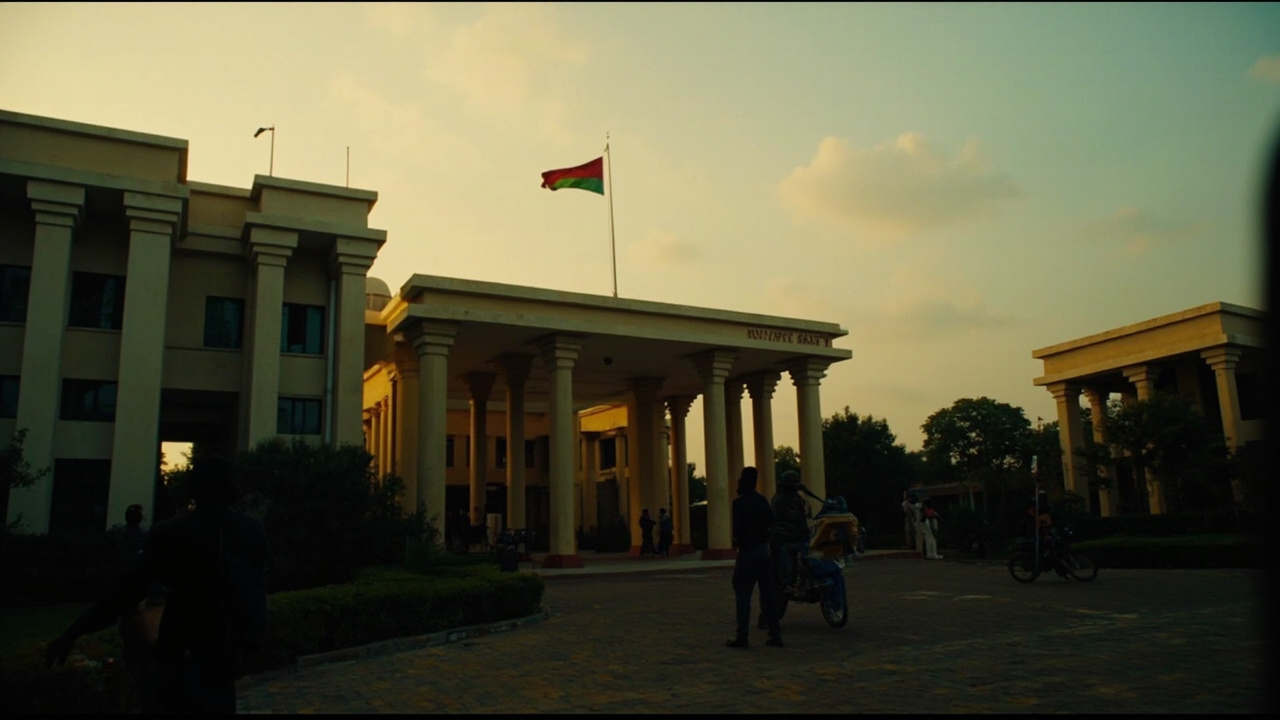
Pakistan's Prime Minister Shehbaz Sharif announced the ceasefire and invited both delegations to Islamabad for April 10 talks. [1] That invitation is Pakistan's largest diplomatic moment in a generation — and Islamabad will need every advantage it possesses to prevent the talks from collapsing before the second session.
Iran's foreign ministry confirmed the Islamabad schedule and immediately clarified what the talks are not: "Negotiations do not mean the war is over," a spokesman said. Discussions would focus on Hormuz and sanctions. Iran has not agreed to discuss its enrichment program. [2]
The United States entering Islamabad holds the opposite position: Iran's enrichment capacity is the central issue, and any permanent agreement requires verifiable dismantlement. These positions are not merely distant starting points. They are structurally incompatible. Each side needs the other to move first on its highest-priority demand.
Pakistan's role in brokering the ceasefire was genuine. Islamabad has relationships with both Tehran and Washington that no other mediator combination — not Egypt, not Turkey, not Qatar — fully replicates. The Egypt-Pakistan-Turkey framework that this paper described as dead on arrival on April 6 was, it turned out, not dead — it was simply incomplete without Islamabad taking the lead.
Whether Islamabad can translate ceasefire brokerage into substantive mediation is the question Friday answers. The first test is whether both delegations show up at the level promised.
-- PRIYA SHARMA, Delhi