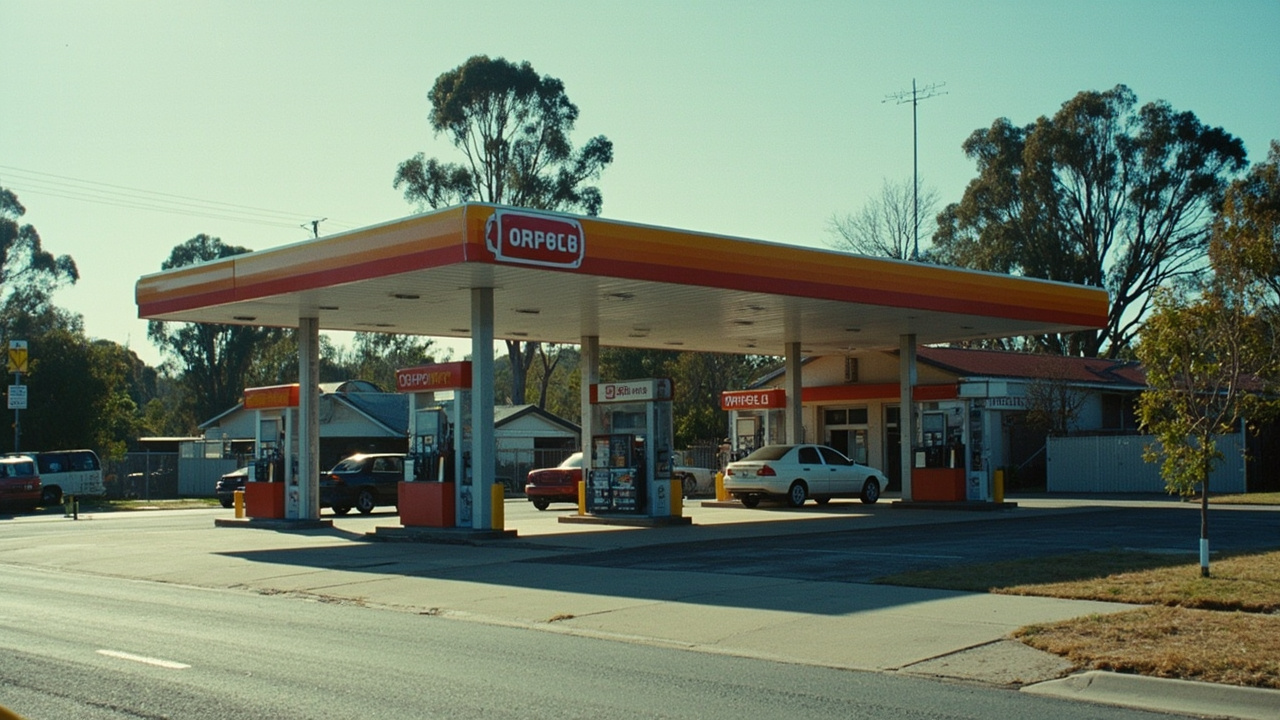
The number of dry petrol stations across Australia fell to 274 on Friday, down from a peak of 555 four days ago [1]. The improvement is real but the government wants no one mistaking its cause. The ceasefire is a psychological signal, not a physical supply solution. Australia imports roughly 90 percent of its refined fuel, and the Strait of Hormuz — the chokepoint through which much of that supply flows — remains effectively closed to commercial shipping.
Yesterday, this paper noted that the improvement tracked calmed panic buying rather than restored supply lines. That assessment holds. Drivers who filled jerry cans and topped off half-full tanks in March have stopped doing so. The stations that ran dry are being replenished from existing domestic reserves, not from fresh imports through the strait.
The energy minister warned that the trend could plateau. Without actual tanker traffic resuming through Hormuz, Australia is drawing down stockpiles that were already thin before the war. The country holds roughly 20 days of fuel reserves at normal consumption rates [2]. Panic buying compressed that window; calmer behavior extends it. But neither changes the fundamental math. Until ships move through the strait, Australia is running a countdown — just more slowly now.
-- CHARLES ASHFORD, London