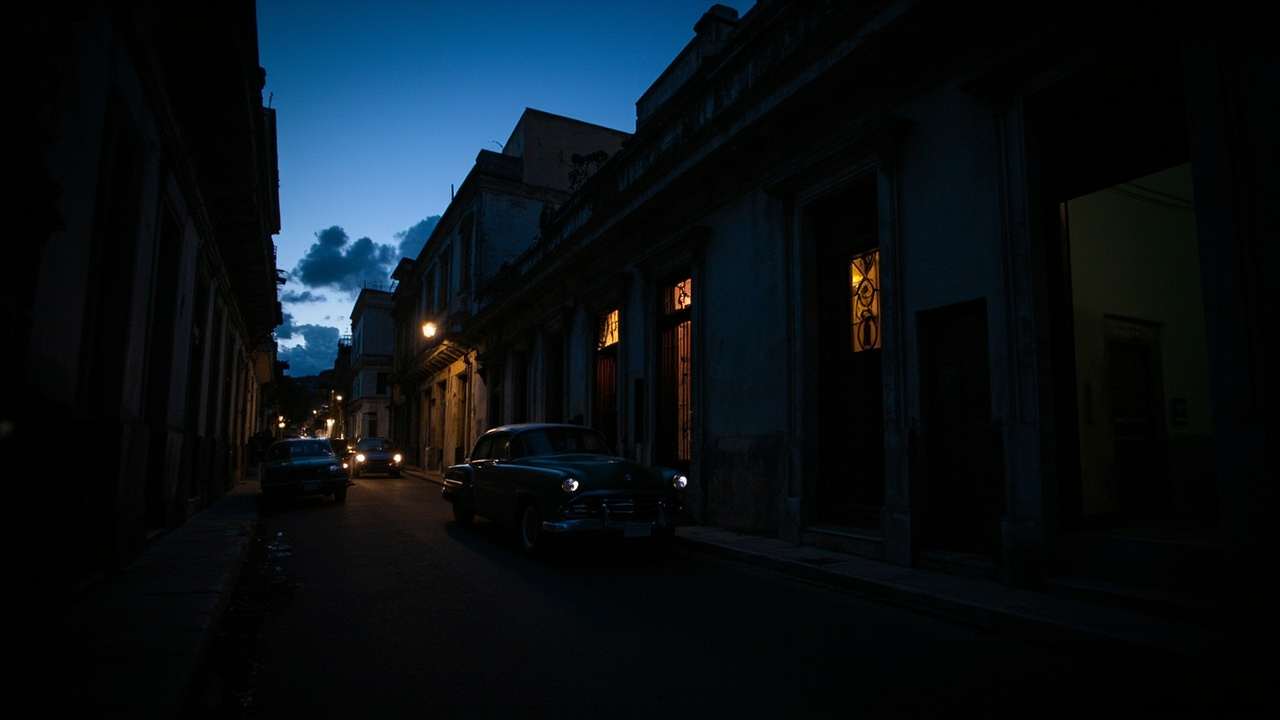
Cuba's electrical grid remains at approximately 60 percent capacity, and day four of the ceasefire has not moved that number [1].
Yesterday's report laid out the structural dependency: Cuban thermoelectric plants run on Venezuelan crude, which moves through global supply chains priced against and partially routed through the Strait of Hormuz. When the strait closed, the ripple effects reached Havana within days. Rolling blackouts persist across provinces outside the capital, with some neighborhoods reporting 12 to 16 hours without power daily.
The ceasefire does not fix this because the problem is not diplomatic — it is physical. A 14-day truce does not restore fuel flows that depend on Venezuelan oil production, aging tanker fleets, and Soviet-era refineries [1]. Even if Hormuz reopened tomorrow, the chain from crude extraction in Venezuela to electricity in Cuban homes has too many broken links for a two-week window to repair.
Iran's fuel shipments to Cuba — a smaller but critical supplement to Venezuelan supply — face the same constraint. The tankers are sanctioned, the routes are disrupted, and the ceasefire timeline is shorter than the shipping cycle [2].
The problem predates the war. Venezuela's oil production has declined for years. Cuba's infrastructure was crumbling before Hormuz closed. The war added a crisis on top of a crisis. Removing the top layer does not fix the foundation. Havana sits in the dark, waiting for a solution the ceasefire cannot deliver.
-- LUCIA VEGA, São Paulo