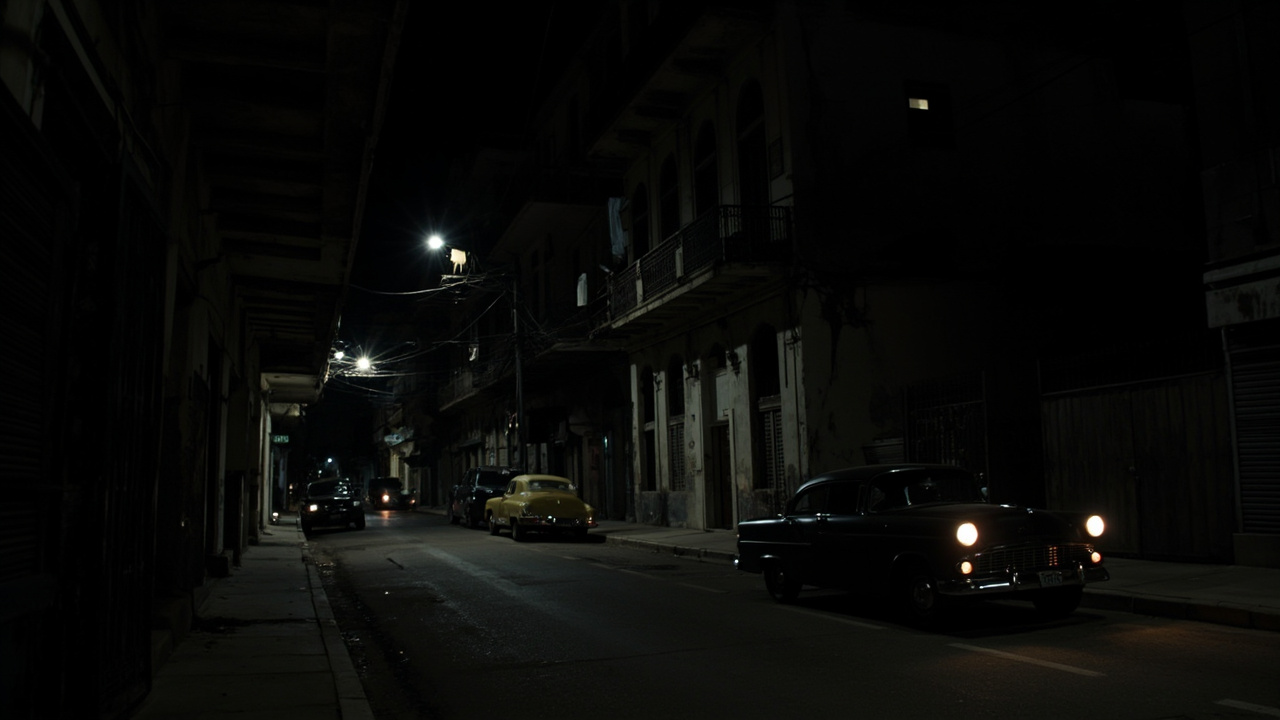
Cuba's electrical grid continues operating at roughly 60 percent of nominal capacity, unchanged from the war period. As yesterday's edition noted, the ceasefire cannot help Havana because Cuba's energy crisis is not a war story. It is a decades-old infrastructure story that the war made marginally worse. [1]
The island's thermoelectric plants run on heavy fuel oil supplied primarily by Venezuela and Mexico. Both supply lines were disrupted during the Hormuz blockade, but Cuba's grid was already failing before the war began. The average age of Cuba's generation fleet exceeds 35 years. Maintenance parts are unavailable due to the U.S. embargo. Rolling blackouts have been routine in provincial cities since 2023 and spread to Havana in 2024.
The ceasefire changes nothing in this equation. Even if Persian Gulf oil flows resume fully, Cuba lacks the refining capacity to process crude into the heavy fuel oil its plants require. The island imports refined product, and its suppliers — Venezuela's PDVSA and Mexico's Pemex — have their own production crises unrelated to the Iran war.
Havana residents continue on rotating blackout schedules: eight hours of power, four hours without. The pattern held through the war. It holds through the ceasefire. The grid's collapse is structural, and no diplomatic breakthrough in Islamabad will repair turbines installed during the Soviet era.
-- LUCIA VEGA, São Paulo