Brent crude futures are trading near $97 a barrel. Physical Dubai crude — the benchmark for actual cargoes delivered to actual refineries — is trading near $132. The gap between those two numbers, roughly $36 per barrel, is the single clearest measure of whether the ceasefire is a real event or a narrative one. Five days into the truce, the gap has not moved.
Yesterday, this paper called the $36 gap the ceasefire's biggest lie — the number that reveals what the physical market actually believes about the Strait of Hormuz reopening. Today, the gap persists because the physical obstacle persists: Iran laid approximately a dozen naval mines in the strait in early March, and nobody has started removing them. [1]
The sequence of requirements for the gap to narrow is specific and sequential. First, a credible ceasefire — one that holds, which the current truce has already shown signs of fraying. Second, mine clearance operations that produce verifiable results. Third, insurance underwriters willing to resume coverage for Hormuz-bound vessels at non-prohibitive rates. Fourth, actual ships transiting the strait without incident. Each step depends on the prior one. None can be skipped.
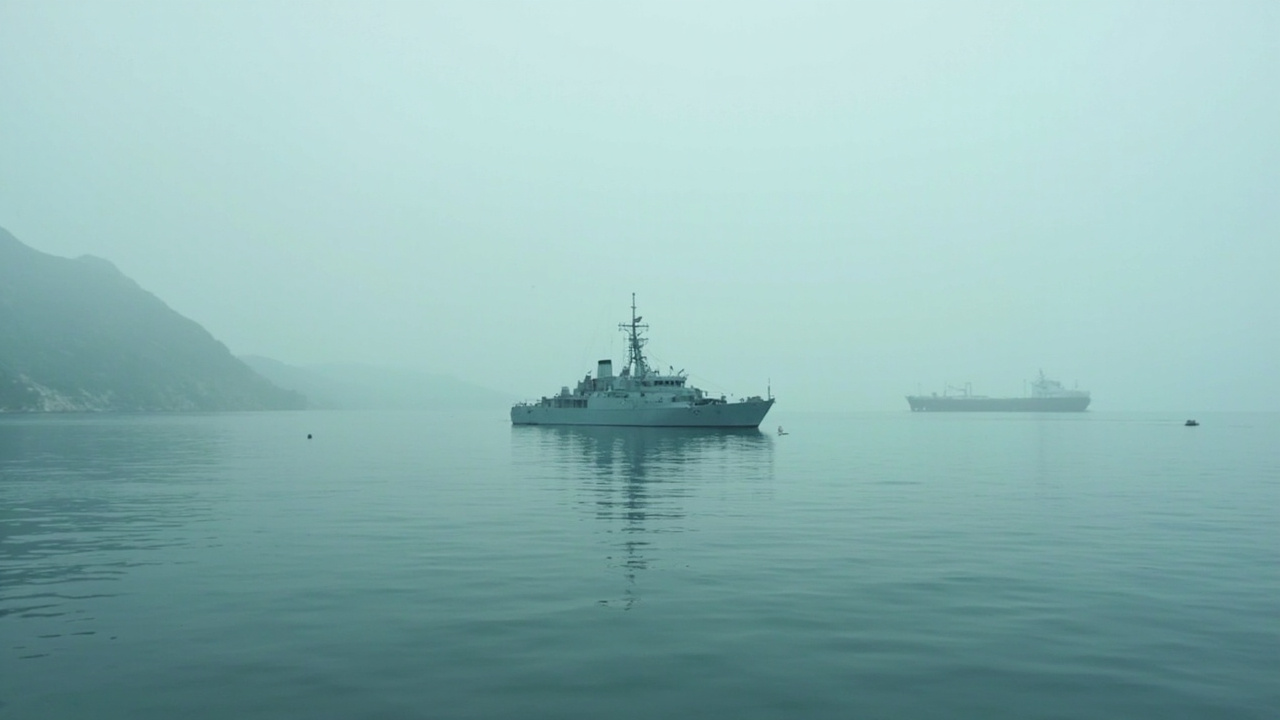
Mine countermeasures are among the most technically demanding operations in naval warfare. The U.S. Navy's Mine Countermeasures Squadron, even operating at full capacity with allied support, would need 60 to 90 days for a preliminary clearance of the shipping lanes, according to multiple defense analysts. [2] The timeline is not a function of will but of physics. Mine hunting requires systematic sweeps with sonar. Each detected object must be classified and neutralized individually. Bottom mines and influence mines — which detonate based on magnetic, acoustic, or pressure signatures — are particularly difficult to locate. And if Iran were to re-mine cleared areas during or after the process, the timeline resets.
The insurance market is the second gate. War-risk premiums for Hormuz transit have exceeded 500 percent of pre-crisis levels. Underwriters have not adjusted those premiums since the ceasefire announcement. This is not inertia. It is actuarial judgment. Insurers require weeks of incident-free transit before repricing, and no transit has occurred. The mere presence of uncleared mines is sufficient to maintain the current premium structure. [2]
Reuters reported in March that daily Hormuz transit had fallen from a historical average of 138 vessels per day to seven confirmed commercial cargo transits in a single 24-hour window. [3] That number has not meaningfully recovered. The strait is not legally closed. It is commercially closed — the distinction between a waterway that is physically passable and one through which a ship can obtain insurance, classification society approval, and safe-passage guarantees.
Futures markets have priced in the ceasefire as a positive signal. The selloff in Brent from $106 to $97 after the April 8 agreement reflected trader optimism about a swift resolution. But futures traders are pricing intent. Physical traders are pricing reality. And the reality is that the commercial infrastructure of the strait — the web of insurance, logistics, and regulatory clearance that makes a barrel of oil deliverable — remains broken.
The gap is not a market inefficiency. It is a measurement of the distance between a ceasefire announcement and a navigable waterway. That distance is denominated in months, not days. Until someone clears the mines, tests the shipping lanes, and proves to insurers that a tanker can transit without being destroyed, the $36 gap will persist — and with it, the price the global economy pays for a war that may have paused but has not ended.
-- DARA OSEI, London