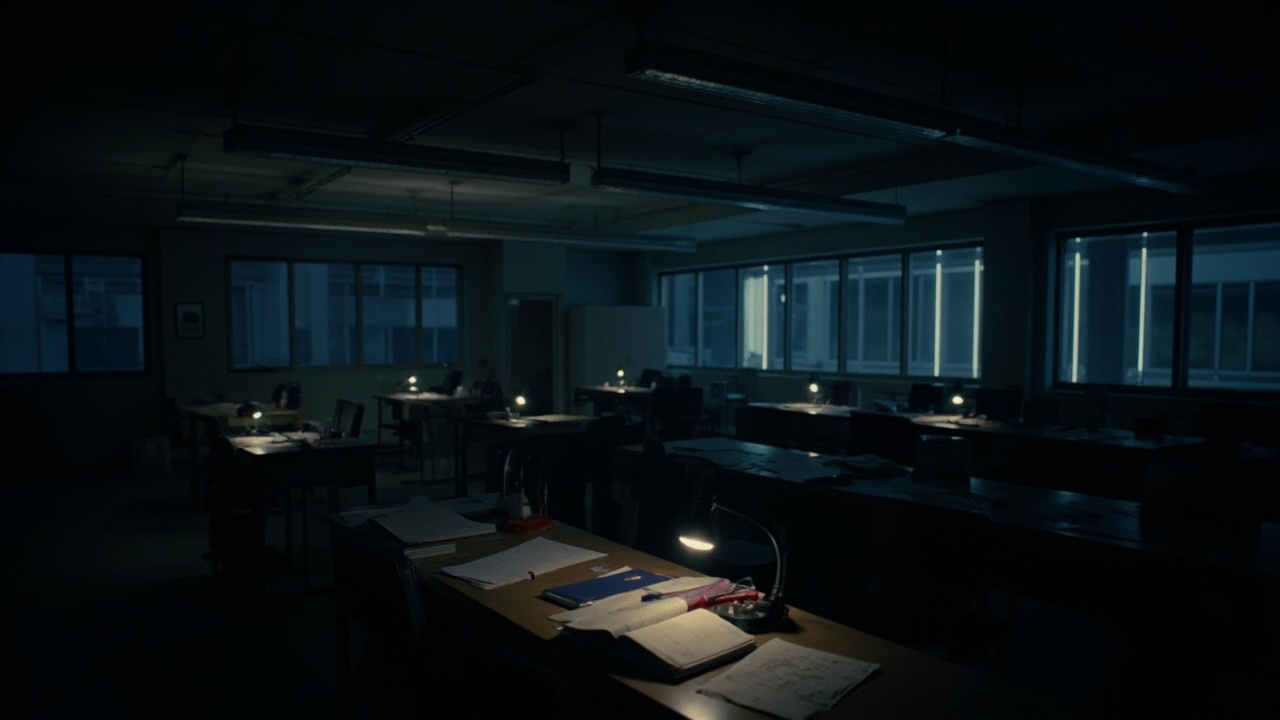
Two days after Moscow police raided the offices of Novaya Gazeta on Good Friday, there have been no charges, no arrests beyond the initial detention of journalist Oleg Roldugin, and no official explanation from Russian authorities [1]. Roldugin was released within hours. The offices were searched. Equipment was examined. Then silence.
As this paper reported on Friday, the raid came during an Easter ceasefire in which the Kremlin was simultaneously presenting itself as a party interested in peace. The timing was the message — a demonstration that internal dissent would be policed even while external diplomacy was being performed.
The absence of follow-up is not an oversight. Russian authorities have refined a pattern in which the raid itself is the punishment [1]. No prosecution is needed when the goal is intimidation. Novaya Gazeta, which won the Nobel Peace Prize in 2021 through editor Dmitry Muratov, has been functionally shuttered since 2022. The Good Friday raid targeted what remained — a skeleton operation attempting to document what other Russian outlets will not.
The Committee to Protect Journalists called for an explanation. None has come. The story has already left Western front pages. That, too, is part of the pattern.
-- KATYA VOLKOV, Moscow