Arabica coffee futures traded at roughly $4 a pound this week, near the historic highs set earlier this year when Brazilian drought first pushed the contract into uncharted territory. [1] Brazil is the world's largest producer. A record 2026-27 crop, forecast by Marex at 75.9 million bags, ought to cap the price, and it has. [2] What it hasn't done is reverse it.
Here is what that means at your counter. Green-bean cost is not the only input a cafe prices against — labor, rent, milk, cups, and the loan the owner took out three years ago to open in the first place all matter more at the margin. But bean cost is the input everyone watches. Roaster contracts reset quarterly; most independent cafes are now buying beans booked at 2025's highs. The espresso drink at your morning shop will lag the futures print by roughly a season.
Supermarket roast is ahead of cafes. The BLS has retail ground coffee up 21.7 percent year over year, the fastest move since 1997. [3] A pound of supermarket arabica was $6.50 in January 2024. It is $8.30 now.
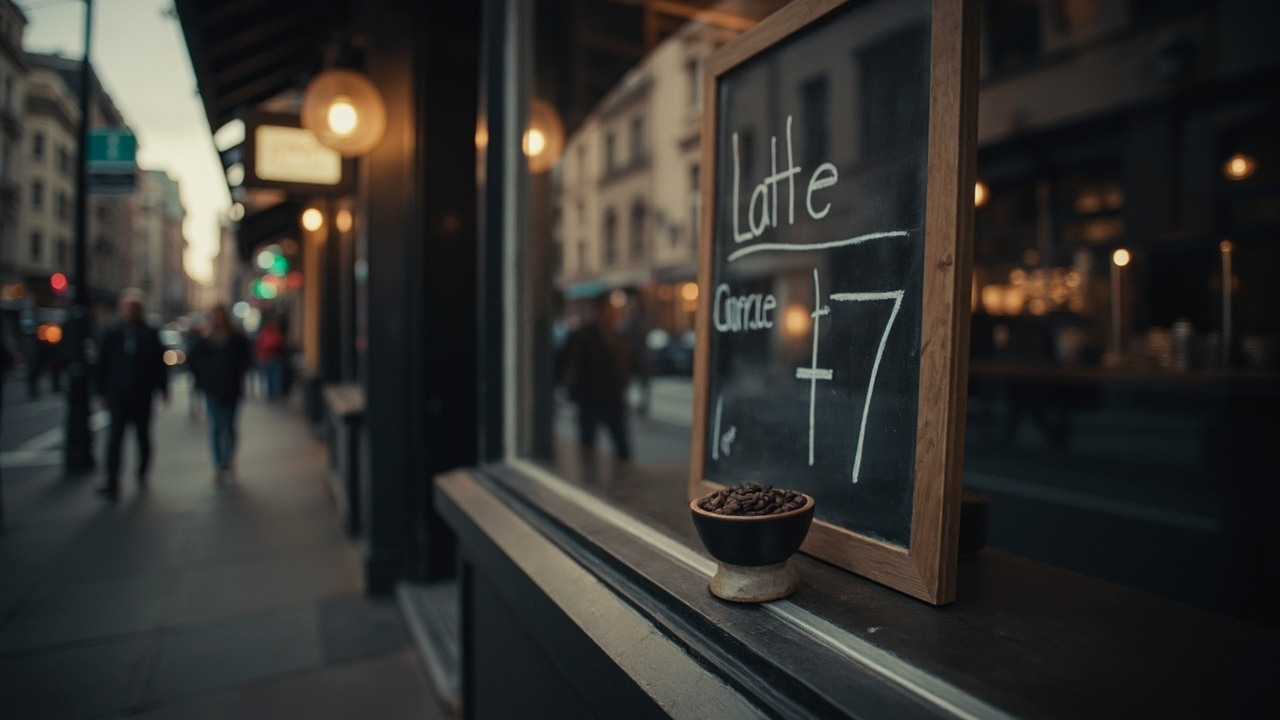
The service question is what to do. If you buy whole bean and grind at home, switch to a blend with a higher Robusta share while the arabica contract is this expensive; a good roaster will sell you a 70/30 at a discount to the 100 percent arabica on the same shelf. If your shop has already moved to $7 for a 12-ounce latte, that number is not coming back down this year.
-- NORA WHITFIELD, Chicago