Ohio Constitutional Data Ban Follows Mills by Seventy-Two Hours
Maine signed a statute. Ohio is gathering signatures this weekend for a constitutional amendment that would bypass any legislature, forever. Federalism's AI cascade has a second rung.
You're offline. Previously read public pages remain available; new requests will resume when you reconnect.
The news. The narrative. The timeline.
Maine signed a statute. Ohio is gathering signatures this weekend for a constitutional amendment that would bypass any legislature, forever. Federalism's AI cascade has a second rung.

In four days the company exited one company's board, launched a product against it, and shipped a capped model because the uncapped one finds zero-days.
The 47-day blackout ended Thursday. Hours later Unit 42 published a threat brief on CL-STA-1128, a new cluster targeting Rockwell Allen-Bradley PLCs. The blackout was preparation.

Anthropic's new Opus 4.7 scored four points higher than 4.6 on the Artificial Analysis index, and three-quarters of its own subreddit said it felt worse to use.
Seventy-three percent of U.S. AI experts expect a positive impact on work; twenty-three percent of the public agrees. The Stanford AI Index has finally given the chasm a number.
HB1515 died in a Virginia committee in February; this week, three county boards put its language on local zoning agendas, citing Maine. Federalism has dropped another layer.

OpenAI added Australia, Canada, and New Zealand to its ChatGPT ad pilot on April 16, the same week a molotov cocktail and a gunshot hit Sam Altman's San Francisco home.

A molotov cocktail Friday; a gunshot Sunday. In between, a New Yorker profile and the international ad rollout. The physical and political costs of monetization week arrived on schedule.
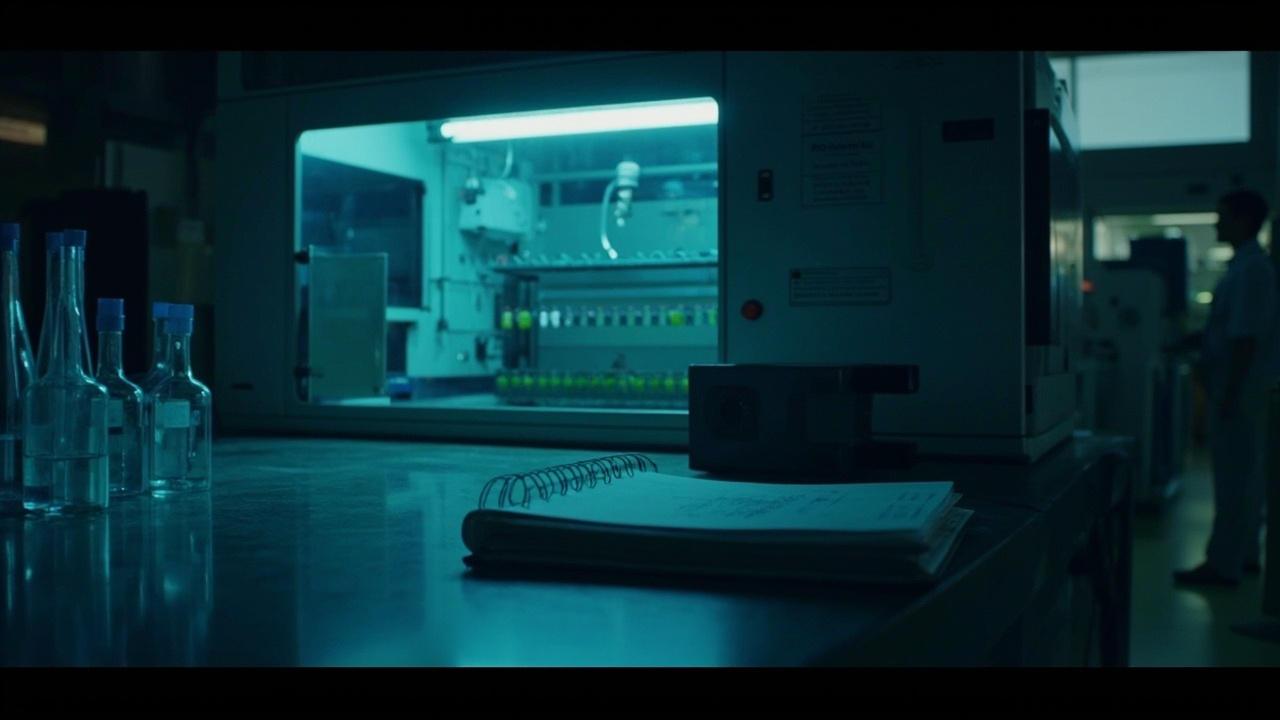
The FDA's April 15 draft guidance is the first standardized safety framework for CRISPR, base-editing, and prime-editing therapies, paired with a rare-disease pathway modeled on Baby KJ.
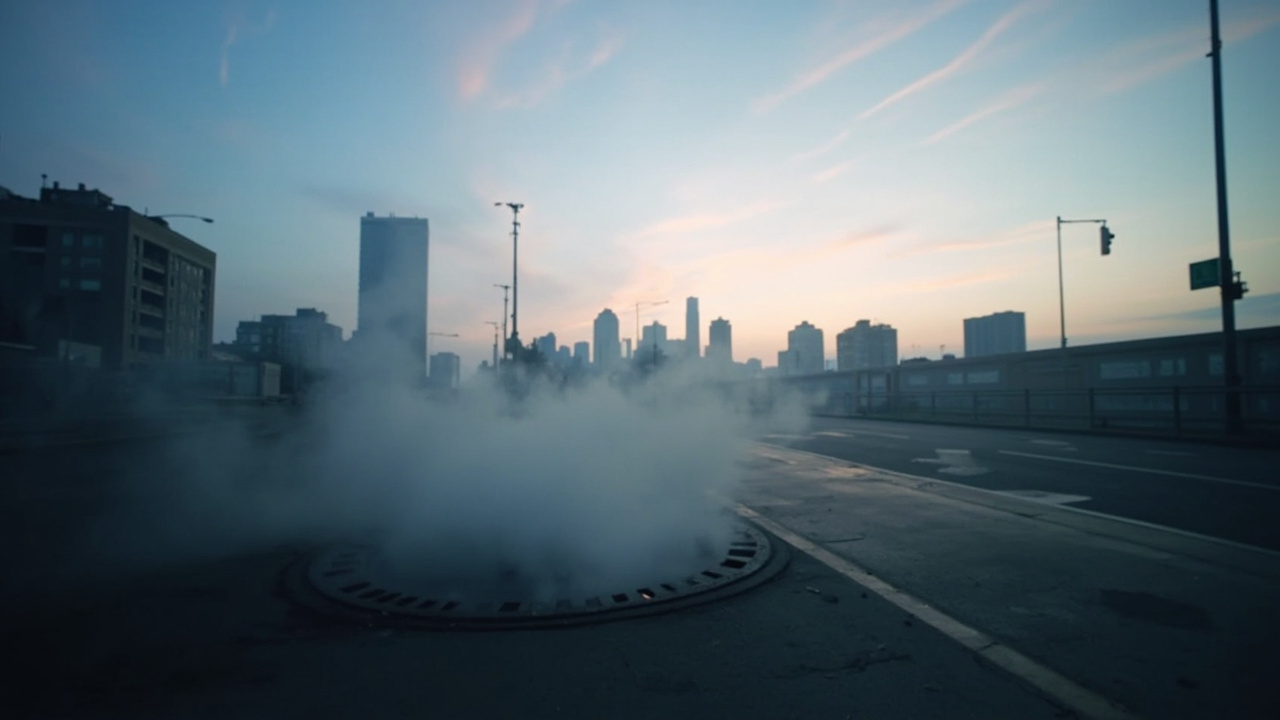
Satellite data finds cities emit roughly ten percent of global human methane, three times official inventories; livestock and sewer systems are the underreported sources.