The Hexagon Meets the Ceasefire Rally, Banks Bought War, The Market Bought Peace
Six banks reserved against a war. Friday, the S&P hit an all-time high pricing peace. Q2 is when we find out which signal was the truth.
You're offline. Previously read public pages remain available; new requests will resume when you reconnect.
The news. The narrative. The timeline.
Six banks reserved against a war. Friday, the S&P hit an all-time high pricing peace. Q2 is when we find out which signal was the truth.

A $2.8 billion breakup fee padded the beat, the stock fell nine percent after hours, and the co-founder walked out — on the same Thursday.
An entire airline sector committed on April 8 to a high-fuel, low-capacity 2026 — and the strait reopened nine trading days later.
A valuation at 110 times revenue makes sense in a market priced for war; Friday's ceasefire rally just moved the goalposts on the largest IPO in history.
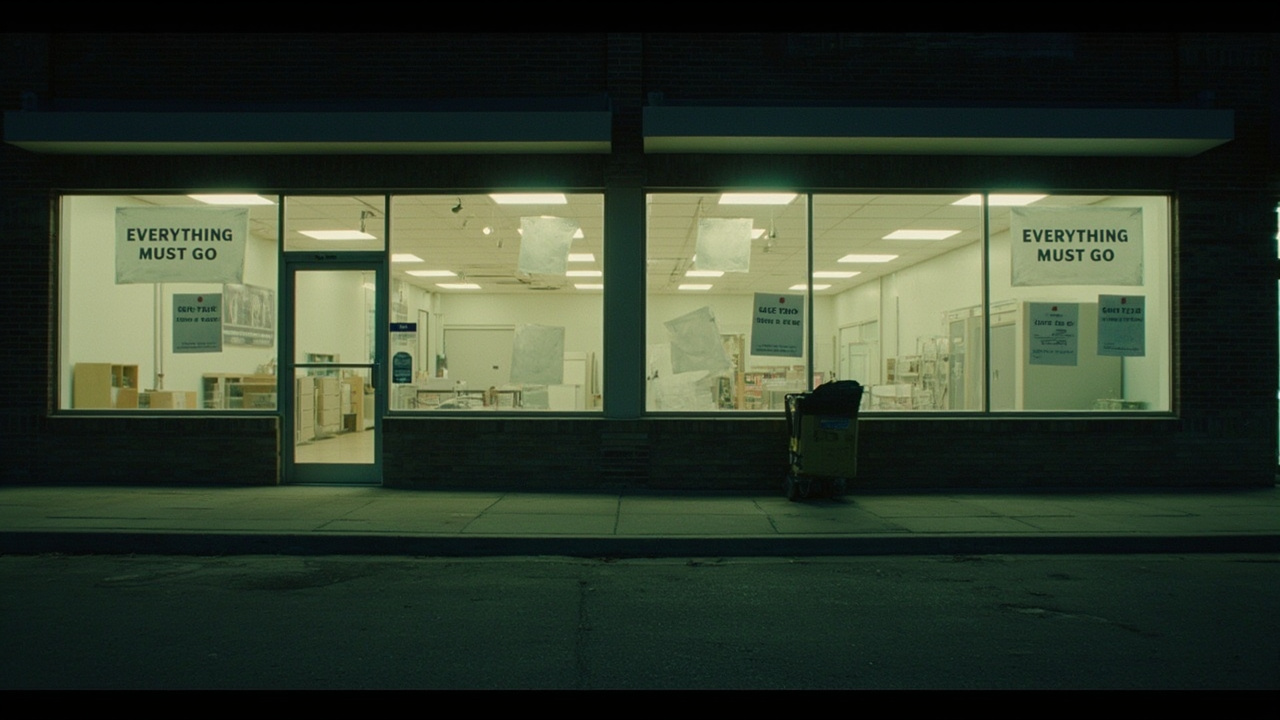
Eddie Bauer's 175 stores close April 30 with no buyer, Francesca's shutters 457, Saks has 15 full-price stores left, 7-Eleven is closing 600 — it is not tariffs and it is not the war.
Dan Loeb sold his entire CoStar stake on April 10 and declared in a letter that 'we no longer believe our original thesis holds' — a rare on-record activist surrender.
Fifth Third's Q1 revenue jumped 33 percent post-Comerica close; the regional banks are telling a consolidation story, not a trading story, a cousin thread to the hexagon.
American Express is buying Marc Baghadjian's AI-expense startup for an undisclosed sum, three days after announcing Agent Purchase Protection. The incumbent is capturing the disruption.
Yield Giving's recent disclosures — seventy million to Meals on Wheels America, forty-two million to an HBCU — track a pattern that looks almost nothing like Altman or Musk megadonor politics.