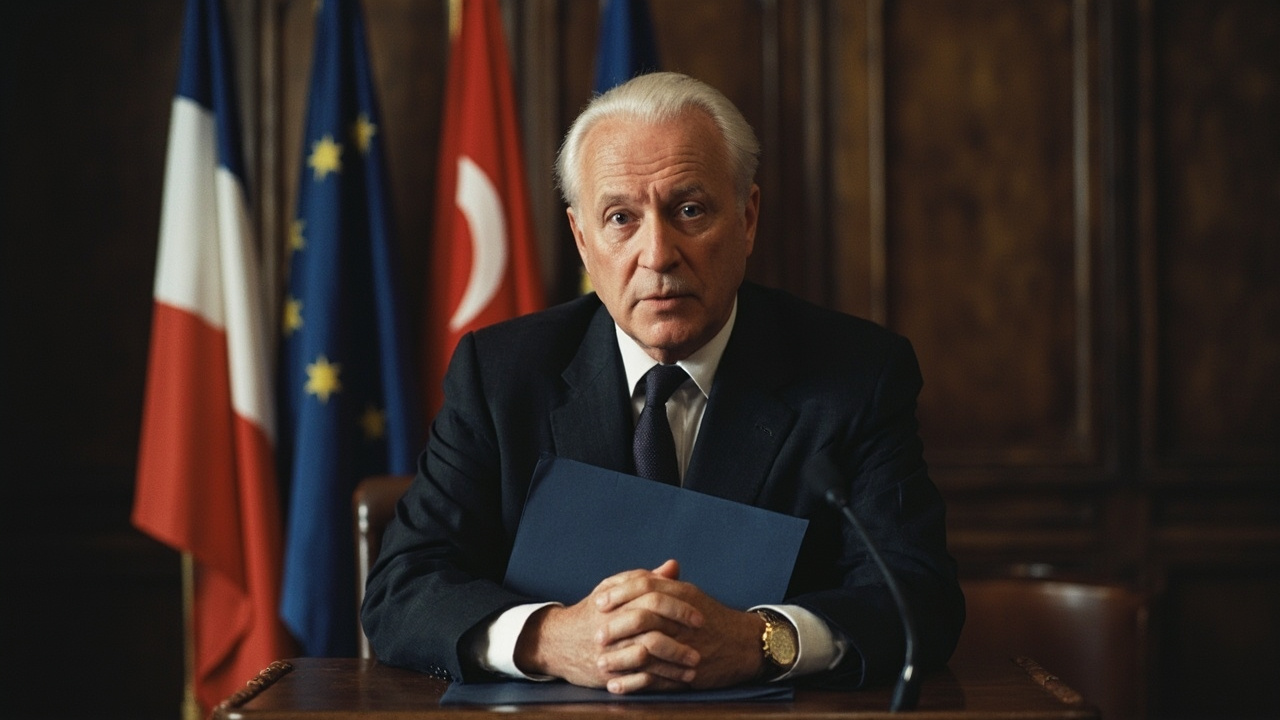
Friedrich Merz said the quiet part at the lectern. "German Chancellor Merz seeks US involvement in a mission to secure the Strait of Hormuz," the Military.com headline read at 10:45 a.m. Eastern on Friday. [1] Inside the story, the chancellor says he wants Washington on the ship roster of a Europe-led mission. The sentence was published on the same news cycle as Donald Trump's Truth Social post calling NATO "a paper tiger" for not joining the Iran blockade. The diplomatic insult did not change Merz's operational arithmetic.
The paper's Friday briefing noted a Franco-German rift over whether to involve the Americans. [2] Paris, in the Politico account, preferred the meeting's signal of European autonomy; Berlin preferred the presence of the U.S. Navy's logistical weight. Merz went with Berlin's instinct. The rift is not over a communiqué; it is over whether Europe can actually police a Gulf chokepoint without U.S. command, aerial refuelling and intelligence. The honest engineering answer is probably not.
This is where the transatlantic architecture strains visibly. Merz is a chancellor who cannot defend his continent's oil lane without the country whose president just humiliated his alliance. He is saying so in public because he must. The bifurcation the paper called operational on Friday is also rhetorical — and the rhetoric and the operations now run on different rails. Paris can frame; Berlin must deliver. The paper-tiger comment came from a man whose navy is not coming. Merz is counting the ships he actually has.
-- HENDRIK VAN DER BERG, Brussels