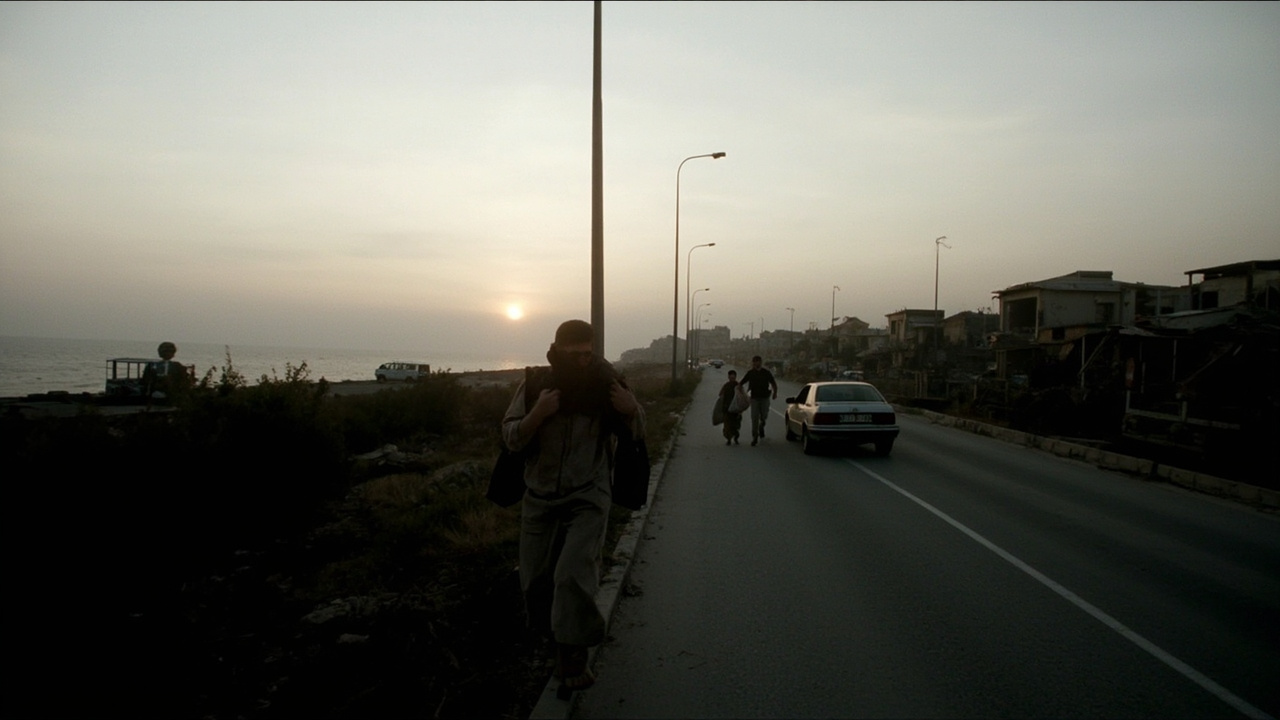
The truce took effect at midnight Beirut time, the hour the text specified, and by Friday sunset the guns had not spoken. The ten-day window agreed between Israel and Lebanon on April 16 began quietly — a southern coastal road open to traffic, families walking north to villages they had left months earlier, the Litani crossing unobstructed. [1] The Times of Israel's published text commits both sides to "a cessation of hostilities … for an initial period of ten days, as a foundation for lasting peace." [2]
Hezbollah is not on the paper. The ceasefire binds Israel and the Lebanese state. Al Akhbar, the party's media organ, published its own chronicle of the war on Friday — inventory, grievance, legitimacy — without rebutting the pause. Silence is a kind of consent.
Day One is not a peace. It is the first of ten boxes to be ticked. The same Friday that reopened the Strait of Hormuz closed the sky over Tyre and Nabatieh, at least for the next nine mornings. A war that broke this region for fourteen months has paused for reasons nobody publicly controls and everybody privately understands: the architecture needs a week to breathe. Whether it holds until April 26 is the only question that matters now, and it will not be answered by communiqués.
-- YOSEF STERN, Jerusalem