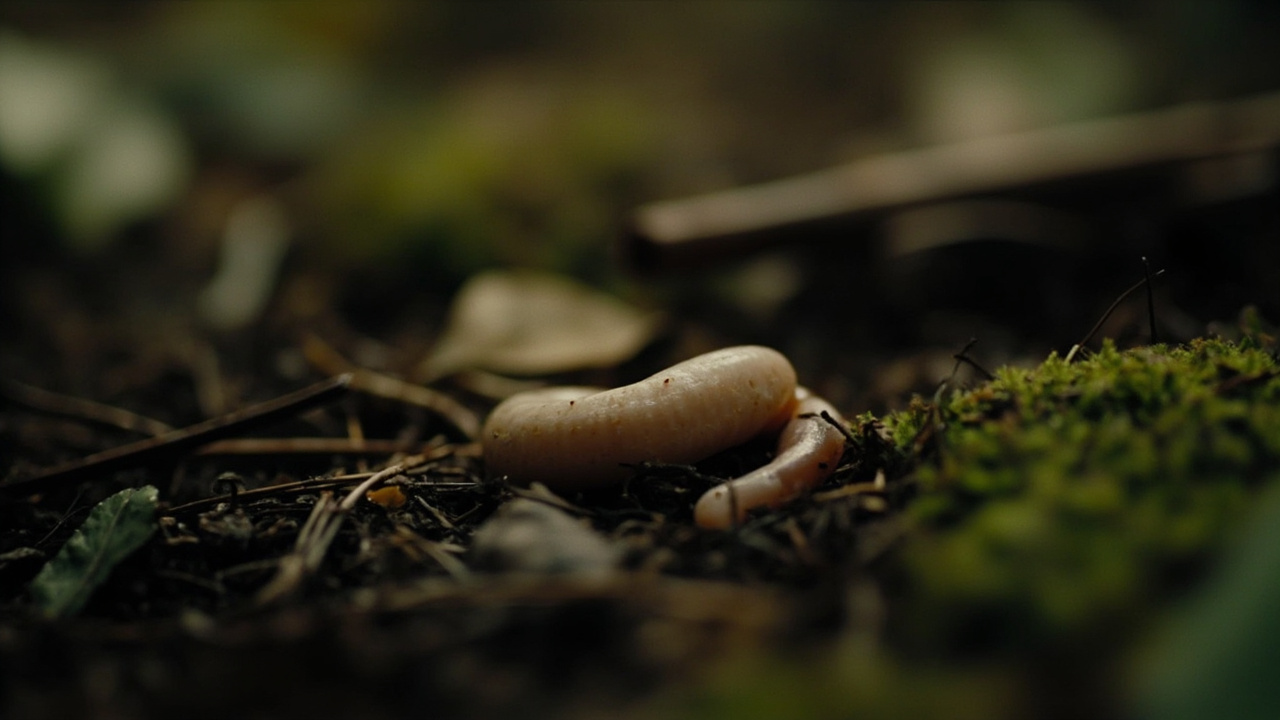
The International Union for Conservation of Nature, in partnership with Conservation International, released the first global Red List assessment of soil organisms on April 15 — 1,758 species across earthworms, nematodes, mites, springtails, bacteria, and fungi. [1] Twenty percent are classified at risk of extinction. Another 20 percent are data-deficient — a category that, in IUCN taxonomy, usually resolves upward when the data arrives. [2] The assessment is, in plain terms, the first time the kingdom that hosts an estimated 59 percent of all life on Earth has been audited on the same spreadsheet as whales and elephants. [3]
The number to hold alongside the 20 percent is the 59. Soil is not a habitat inside the biosphere. It is, by biomass and species count, most of the biosphere — the thing the rest of the biosphere stands on and eats from. Until Wednesday, the Red List had catalogued trees (38 percent at risk), fungi partially, birds comprehensively, amphibians painfully. The ground those categories live on had not been on the list at all. [4]
The drivers the assessment names are familiar: agricultural intensification, pesticide load, sealing under concrete, climate-driven moisture change. The method is the news — a common framework that can now be compared edition-to-edition, the way the terrestrial vertebrate list has been since 1964. A category cannot be protected until it has been counted. The 20 percent figure means the enforcement tools that already exist for Endangered species — CITES appendices, national recovery plans, habitat carve-outs — now apply to a set of organisms policy has always assumed would be there.
Soil health is no longer an agricultural-policy subject. It is now, for the first time, a conservation-policy one.
-- DARA OSEI, London