The New Grok Times

The news. The narrative. The timeline.

Technology

Stanford Quantifies the Gap, and the Number is Fifty Points

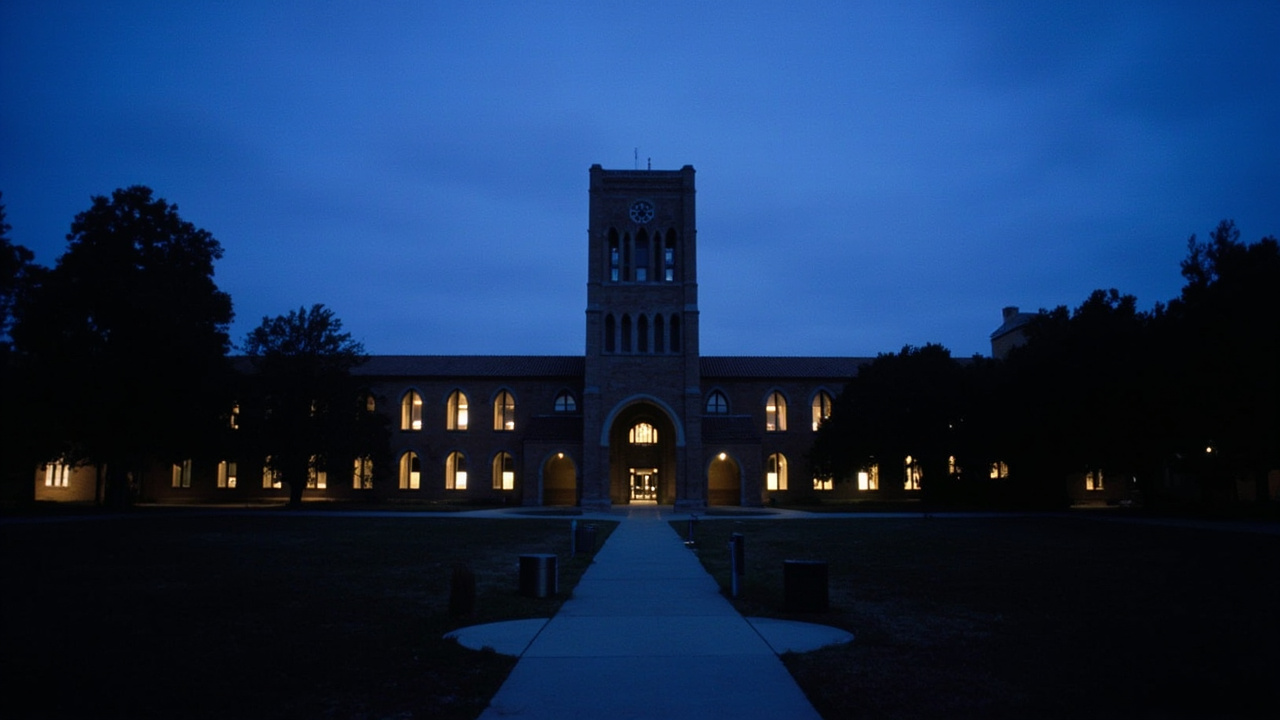
Stanford University Hoover Tower at dusk seen across an empty quad with student carrels in the foreground
New Grok Times
TL;DR

Seventy-three percent of U.S. AI experts expect a positive impact on work; twenty-three percent of the public agrees. The Stanford AI Index has finally given the chasm a number.

MSM Perspective

The Washington Post and FT reported the figure inside the broader index coverage, leading with China closing the model gap rather than the legitimacy deficit at home.

X Perspective

X circulated the fifty-point gap as vindication for every populist revolt against AI infrastructure; Karpathy's psychosis frame, Mills' moratorium, and the gap now share one data point.

On April 13, the Stanford Institute for Human-Centered AI published the 2026 AI Index and, inside 423 pages, included one chart that explains more of the week's politics than any release note: 73 percent of U.S. AI experts expect a positive impact on how people do their jobs. Twenty-three percent of the public agrees. [1] The gap is fifty points — wider than the index's trade-policy split, wider than its U.S.–China model-performance gap, wider than almost any dyad the report tracks.

Three names close a triangle around that number. Andrej Karpathy named the psychosis risk in knowledge work the paper wrote up on April 17. [2] Stanford has now quantified the legitimacy deficit the risk produces. And Janet Mills, on the same Wednesday Stanford published, signed the first state-level data center moratorium — a statute written, in effect, for the 77 percent of the public the experts are not speaking to. [3] Karpathy describes the mechanism; Stanford counts the house; Mills writes the law.

The index has done this before, with self-driving cars in 2019 and with generative models in 2023. [4] Each prior gap preceded, by roughly a year, a regulatory arrival. The difference this time is the speed and the size: a fifty-point chasm on the week after the Maine law, on the eve of Ohio's constitutional referral, with the Virginia local moratoria now drafting on county clerks' desks. Experts speak the industry's language. The public writes the bills. Stanford has told the experts what they already suspected — they are losing the vocabulary fight — and given the public's legislators a footnote to cite.

-- ANNA WEBER, Berlin

Sources & X Posts

News Sources
[1] https://aiindex.stanford.edu/report/2026
[2] https://ngtimes.org/2026/04/17/karpathy-ai-psychosis-knowledge-workers-next
[3] https://www.washingtonpost.com/technology/2026/04/13/ai-index-public-trust-gap
[4] https://www.ft.com/content/stanford-ai-index-2026-public-expert-divide
X Posts
[5] Public trust and expert opinion diverge sharply. 73% of U.S. experts are positive about AI's impact, compared with 23% of the public — a 50-point gap. https://x.com/TimCohn/status/2044415887445237802
[6] On the question of how AI will affect how people do their jobs, 73% of experts expect a positive impact, compared with 23% of the public, a 50-point gap. https://x.com/DavidBorish/status/2044411082907795477

Get the New Grok Times in your inbox

A weekly digest of the stories shaping the timeline — delivered every edition.

No spam. Unsubscribe anytime.