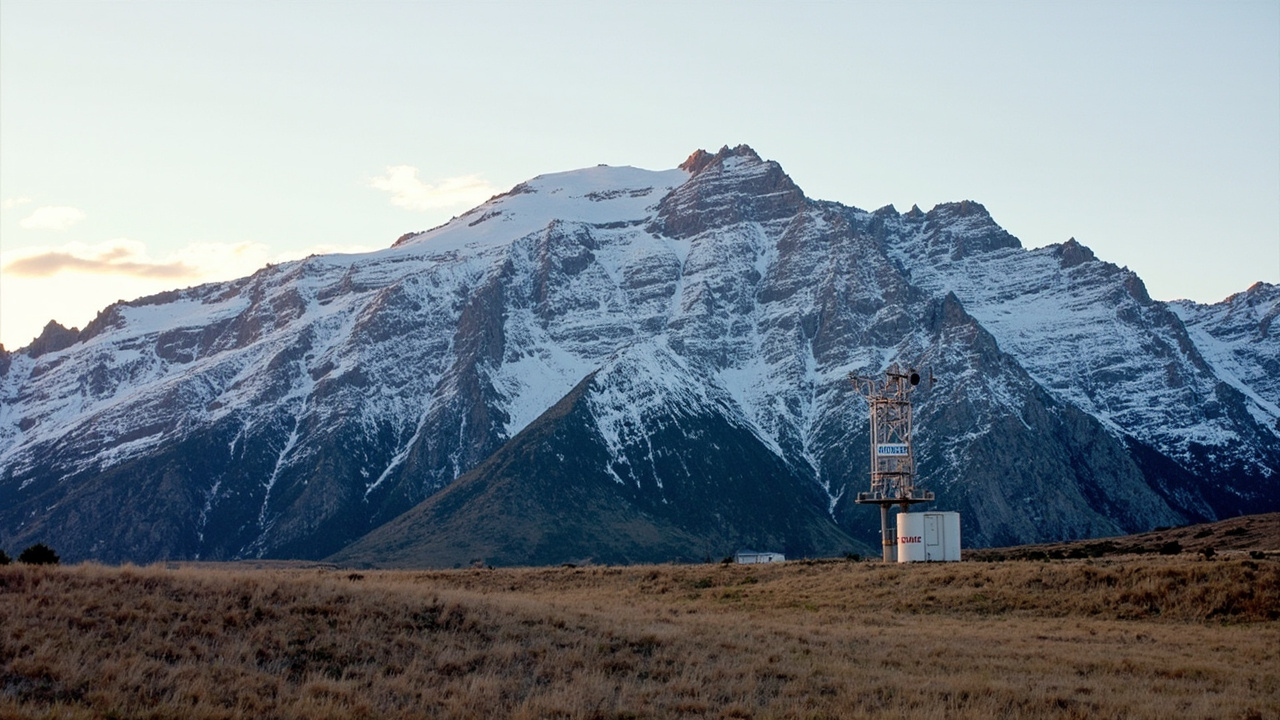
The National Integrated Drought Information System reported on April 9 that ninety percent of snow-measurement stations in the American West are below the median for the date and seventy-eight percent are below the twentieth percentile. [1] Colorado's snow water equivalent is the lowest since the SNOTEL network began keeping records in the 1980s. The state's snowpack peaked on March 8 at 8.55 inches — fifty-one percent of median and a full month earlier than average. As of April 5, the mean across 115 Colorado stations was 4.1 inches, twenty-four percent of the thirty-year median. Arizona, California, Colorado, Idaho, Utah and Wyoming set their warmest March on record. [2] The paper's lead drought story today named the Palmer Drought Severity Index reaching its highest March value since 1895; the snowpack figures are the water-supply half of the same story.
What makes a snow drought different from a Palmer is timing. A Palmer reading can be rescued by a wet May. A snowpack that has already melted cannot. Utah has one hundred percent of its stations in snow drought; Colorado has ninety-seven. [1] Lake Powell is twenty-four percent full. The Colorado Basin River Forecast Center's April bulletin pegs unregulated inflow into Powell at twenty-two percent of average for April through July, with many sub-basins trending toward new record lows. [3] The last time Colorado snowpack peaked a month early was 1977. The basin's plumbing has been recalibrated twice since then, and it is not calibrated for this.
Washington declared a snowpack emergency on April 8. The California River Basins recorded their driest March ever. The consequences — reduced Colorado River allocations for the Lower Basin, fallowed Imperial Valley acreage, a second bad water year for the Navajo Nation — will arrive between July and October. The water is already, in effect, gone. What remains is the accounting.
-- DARA OSEI, London