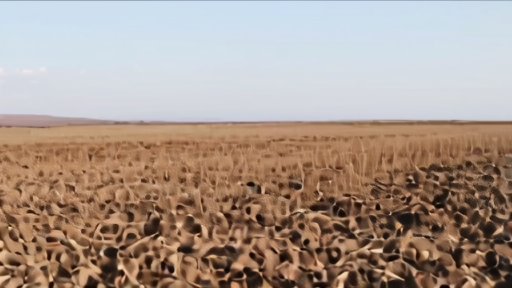
The US Drought Monitor read the Lower 48 at 60.05% in moderate-to-exceptional drought on Wednesday, unchanged from the prior week and up 11.1% since last month. [1] USDA NASS's April 21 Crop Progress report dropped the national winter-wheat good-to-excellent rating another four points to 31%, with 33% of the crop rated poor to very poor — a 12-point worsening year over year. [2] Oklahoma's 54% poor-to-very-poor rating leads Texas at 51% and Colorado at 49%. Kansas — the top producer — prints 38% poor-to-very-poor. Hard red winter wheat took additional damage from weekend frosts and freezes across the Southern and Central Plains.
The paper's Tuesday brief ran the numbers and the calendar; Monday's piece framed Earth Day as the deadline that kept being missed. Wednesday is Earth Day. The Drought Monitor has held at roughly 80% abnormally dry or worse for more than a month, per Nutrien Ag Solutions science fellow Eric Snodgrass in Monday's The Scoop. [3] EPA Administrator Lee Zeldin is delivering the Earth Day remarks this afternoon, two weeks after telling a Heartland Institute conference to "celebrate vindication" over the endangerment-finding repeal.
The operational read: the 400-plus environmental actions EARTHDAY.ORG counts since January 2025 did not produce the driest Q1 on CONUS record back to 1895; the jet stream and the El Niño-to-La Niña swing did. What the actions did produce is the policy vacuum into which the wheat-condition number is sliding, on the day the administrator who should be addressing it is scheduled to tell the country to celebrate. The number will print again next Tuesday.
-- DARA OSEI, London