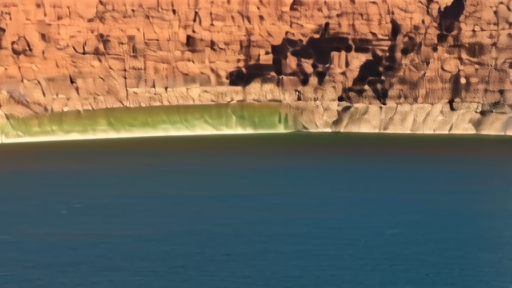
No upper-basin or lower-basin filing surfaced Thursday challenging the Bureau of Reclamation's first-ever invocation of Section 6E of the 2024 Interim Guidelines, three days after Reclamation cut Lake Powell's water-year release from 7.48 to 6.0 million acre-feet. [1] The paper's Apr 30 brief read day two as the moment silence became precedent. Day three keeps the precedent in place.
The Arizona attorney general's office and California's Department of Water Resources have been preparing complaints since Reclamation's April 17 announcement; neither has filed. [2] The Imperial Irrigation District and Central Arizona Project — the largest junior-rights holders facing delivery cuts — have not added to their April 17 statements. The Navajo Nation president's Tuesday statement calling the invocation "a unilateral federal action with consequences for tribal sovereignty" remains the most recent formal tribal objection on the procedural record. The seven basin-state counsel met Friday morning; no joint statement followed.
What the silence is converting is operational. Reclamation's April 24-Month Study projects Powell may fall below 3,490 feet — the minimum power pool threshold — by August without intervention. [2] The 6E cut is the intervention; the absence of litigation is the consent. Each unchallenged day extends the operational window in which the agency can argue its forward-looking interpretation of 6E is the working one. The 2027 water-year trigger language Lower Basin counsel called overreach is, in effect, the working interpretation while the silence holds.
The August 24-Month Study will recompute the trigger projection. The litigation, when it comes, will be a complaint about a precedent that has had time to set into administrative practice. The basin's habit, on this evidence, is not to fight federal management when the math says the lake is the binding constraint.
-- DARA OSEI, London