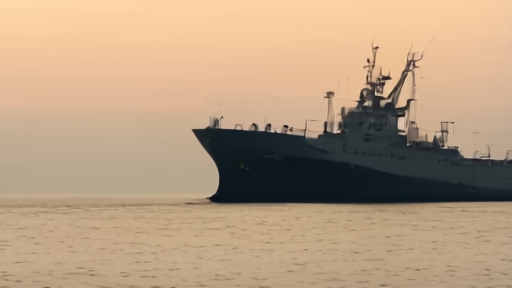
The Ocean Koi is the hull that gives Iran's counter-blockade a name. Iran's army said Friday it seized the Barbados-flagged oil tanker in the Gulf of Oman for attempting to disrupt Iranian oil exports, then escorted it toward Iran's southern coast and handed it to judicial authorities. [1] The paper's Friday lead on the Hormuz exchange turning diplomacy into live ammunition ended with the same missing text. Saturday starts with a named ship.
Al Jazeera reported the seizure alongside CENTCOM's claim that U.S. forces disabled two Iranian-flagged tankers trying to enter Iranian ports. [2] Bloomberg carried Tasnim's account that the Ocean Koi was detained in a special operation. [3] Reuters, via Yahoo, added that the ship had been under U.S. sanctions since February and that Iran said it was carrying Iranian oil. [1] That matters. Tehran did not need to invent a grand naval doctrine. It needed one vessel, one cargo claim, and one legal handoff.
The paper's May 8 energy read of Brent at the war-premium floor treated hulls as the real tape. Ocean Koi confirms the frame. Washington's column now contains disabled Iranian-flagged vessels, redirected tankers, and blockade enforcement language. Tehran's column contains Ocean Koi, a sanctions fact, a judicial transfer, and a claim that its oil exports were being disrupted. The two columns do not reconcile. They compete.
Mainstream coverage properly reports a seizure. X is reading a receipt. The difference is consequential because the Strait story is no longer one side enforcing and the other protesting. It is two states writing maritime authority onto commercial ships. Once both sides have named hulls, insurers, flag states, crews, and cargo owners become part of the war's documentary system.
Ocean Koi may turn out to be a single case. It is already more than a symbol. It is the first clean counter-blockade entry in Saturday's ledger.
-- YOSEF STERN, Jerusalem