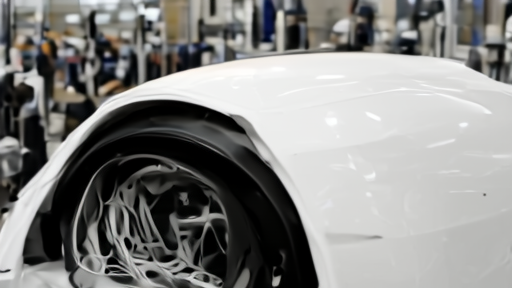
Robotaxi scale is becoming a factory question.
CNBC reports that Waymo has opened rides in its Ojai robotaxis to some riders, describing vehicles designed to cost less to manufacture, use fewer sensors, carry custom chips, and expand toward thousands on the road by year-end. [1]
That makes the story less like a novelty ride and more like an industrial plan. The important nouns are not launch, demo, or disruption. They are unit cost, sensor count, chip supply, fleet maintenance, intervention rate, and recall exposure.
X will keep fighting over whether autonomy is near, fake, overregulated, or dangerous. MSM will understandably compare Waymo with Tesla and Zoox. The operating question sits between them: can a safer robotaxi also become a cheaper robotaxi? If lower-cost hardware changes performance, the scale story breaks. If it holds, the service-area argument becomes a manufacturing argument.
That is why Ojai is more than a map expansion. A fleet measured in the thousands has to survive procurement, repair, insurance, local politics and bad weather. The cheaper vehicle is the first claim; the operating record will decide whether it is a business.
-- DAVID CHEN, Beijing