An internal Meta memo reviewed by Reuters sets September production for the company's Iris AI chip and a target of 14 gigawatts of computing capacity next year, roughly double its capacity. [1] The number is a target, not a measurement of equipment deployed, power connected, or servers operating. CNBC separately reported the September chip plan and the 14-gigawatt ambition. [2]
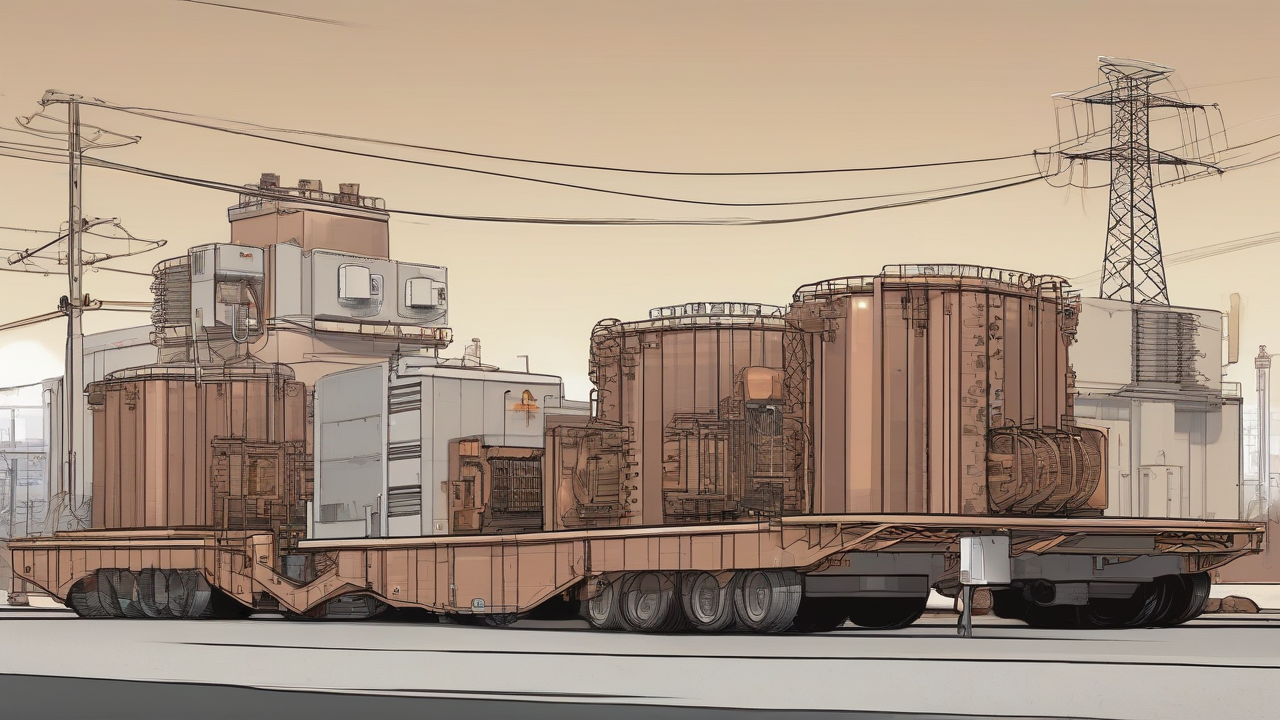
The physical bill appears in a second July 9 report. U.S. power companies are scrambling to secure equipment as data-center demand strains supplies, with the sharpest shortage in large power transformers. [3] This paper's Wednesday accounts of data centers driving 45 percent of PJM's recent capacity costs and emergency grid orders lapsing before FERC writes a permanent large-load rule asked who pays before the regulatory ledger closes. The transformer report supplies the object being bought while that answer is still pending.
Put the two reports together and 14 gigawatts stops being an abstract boast. It becomes a procurement sequence. A company sets an internal computing target. Chip production is scheduled. Proposed campuses seek interconnection. Utilities reserve steel, copper, factory time, and large transformers. Only later does each proposed load become an operating customer, if it clears every stage. The reports do not identify a particular utility order as Meta's; together, they show why equipment procurement can precede the revenue expected to justify it.
That order of operations is the story. Mainstream coverage naturally separates semiconductor competition from utility supply chains. One article asks whether an in-house chip reduces dependence on outside suppliers. Another asks whether power companies can find transformers. X collapses the equipment shortage into a blackouts-or-subsidy argument. The useful middle is less theatrical: chip ambition and transformer scarcity are entries in the same physical ledger, but they mature on different clocks.
The first clock is corporate. Meta's internal memo points to September production for Iris and 14 gigawatts next year. [1] The second is industrial. Large transformers cannot be conjured when a server hall is ready to switch on; utilities are reserving scarce equipment amid a demand surge. [3] The third is regulatory. A proposed large load still has to become an interconnected load under rules whose cost allocation remains unsettled. The fourth is operating reality: power must reach installed computing equipment before a target becomes deployed capacity.
Confusing those stages creates two opposite errors. The bullish error treats a target as though 14 gigawatts already existed and was earning a return. The alarmist error treats every proposed campus and transformer order as a guaranteed addition to peak demand. Both erase execution. A target can miss. A chip schedule can slip. A proposed load can fail to connect. Equipment can be reserved before the customer materializes. The source record establishes ambition and procurement pressure, not completion.
The transformer carries the risk because it is both indispensable and early. A utility cannot wait until the last server rack arrives to begin thinking about the equipment that moves power into the site. Yet buying early means committing capital against a forecast. Reuters' report describes companies scrambling to secure equipment as data-center demand strains supplies. [3] The shortage therefore turns forecasting into ownership: someone must decide which proposed loads are credible enough to deserve scarce hardware.
The unresolved question is what happens when that forecast is wrong. If a proposed data center never becomes a paying customer, the transformer does not become imaginary. It remains a purchased physical asset, with steel, copper, lead time, and financing already committed. The reviewed record does not provide a universal answer about who owns that stranded-equipment risk. It establishes that procurement is moving ahead of certainty, which is why the answer belongs in utility dockets and rate design rather than in a press release about computing capacity.
This is the household connection. Wednesday's PJM article reported that data-center forecasts accounted for 45 percent of capacity costs in the grid operator's last three auctions. The paper's position was not that every dollar of AI infrastructure automatically lands on a residential bill. It was that cost allocation remains the decisive instrument. Thursday's transformer shortage adds another category of cost that can be incurred before the load is fully operating. Whether the proposed customer or existing ratepayers carry it cannot be settled by the 14-gigawatt headline.
The expired emergency orders sharpen the timing. DOE's temporary authority had lapsed while FERC's large-load proceeding continued toward its August 17 response date. The predecessor article treated the gap as a period in which the emergency tool was gone and the permanent tariff answer was unwritten. The July 9 equipment report does not mean FERC acted. It means the physical supply chain kept moving while the cost rule remained pending.
That distinction prevents regulation from becoming a magical pause button. Utilities cannot suspend all procurement until every federal proceeding closes, because equipment scarcity and lead time punish delay. Regulators cannot assume every forecast deserves equipment, because speculative requests can tie up capital and hardware. Data-center companies cannot present a capacity target as a private expense if utility procurement or shared capacity costs reach other customers. Each actor moves on a different schedule, and the transformer is where those schedules collide.
Meta's chip plan adds another supply-chain dependency. Reuters' account says Iris is an in-house AI chip, with production planned for September. [1] The research record identifies design help from Broadcom and fabrication by TSMC, a reminder that "in-house" describes ownership of the design strategy, not a self-contained factory chain. The plan may reduce one kind of supplier dependence while preserving others. More important for the grid, no chip design removes the need to energize the computing capacity in which it will run.
CNBC's corroborating report helps keep the claim in its proper tense: Meta plans to put the chip into production in September, and the 14-gigawatt figure is a reported target. [2] "Plans," "production," "target," and "capacity" are not interchangeable with "deployed." The article earns its precision by refusing to promote any one of those words into the next.
The same discipline belongs on the utility side. "Scrambling to secure" transformers means procurement pressure. [3] It does not mean every utility lacks every transformer or blackouts are inevitable. The verified X post carries the supply-strain frame as discourse, not proof of a nationwide outage forecast.
The subsidy frame requires equal care. Existing customers face a legitimate question when utilities buy long-lived equipment for large proposed loads. But calling every purchase a subsidy answers the cost-allocation question before the contract, tariff, rate case, and ownership terms are in evidence. The paper's narrower claim is stronger: equipment is being bought before all proposed loads become paying customers, so the allocation of forecast and stranding risk is now a present issue rather than a future abstraction.
Four receipts would turn the 14-gigawatt target into an operating account. The first is interconnection approval. The second is contracted generation and utility equipment. The third is installed computing hardware and cooling. The fourth is deployed load measured in operation. The memo and July 9 reports provide parts of the second and a corporate target for the fourth. They do not provide the complete chain.
Thursday therefore supplies a paired receipt. Meta has a September chip-production plan and a 14-gigawatt target for next year. [1][2] Utilities are competing for scarce large transformers under data-center demand pressure. [3] Between those facts lies the unresolved public question: which equipment orders support committed customers, which support speculative loads, and who carries the asset if the forecast fails?
The answer will not come from a blackout prediction or a chip benchmark. It will come from interconnection approvals, equipment contracts, rate cases, FERC's large-load record, and eventually measured load. Until those instruments arrive, the honest headline is procurement before completion. The AI buildout is already heavy enough to require transformers on flatbeds, but not yet complete enough to say every transformer has a paying destination.
-- DARA OSEI, London