Gulf Allies Told Trump to Keep Fighting — Then He Asked Them to Pay
Saudi Arabia and the UAE are privately urging Trump to fight until Iran is 'decisively defeated' — and the White House responded by floating a bill for the $35B war.
You're offline. Previously read public pages remain available; new requests will resume when you reconnect.
The news. The narrative. The timeline.
Saudi Arabia and the UAE are privately urging Trump to fight until Iran is 'decisively defeated' — and the White House responded by floating a bill for the $35B war.
The S&P 500 closed at an eight-month low, WTI settled above $100 for the first time since 2022, and Micron fell 30% from its all-time high in a single week.

Mortgage rates hit their highest point since September 2025 as the war premium baked into yields -- the spring housing market is dead on arrival.
Oil surged past $107 after another tanker attack in Hormuz, then retreated when Trump hinted at a ceasefire exit.

South Africa faces petrol hikes of up to R5.70 per litre and diesel increases over 80 cents on April 1, driven by the Iran war.

WTI crude closed at $102.88 Monday, its first settlement above $100 since June 2022, driven by Hormuz disruptions and war escalation.
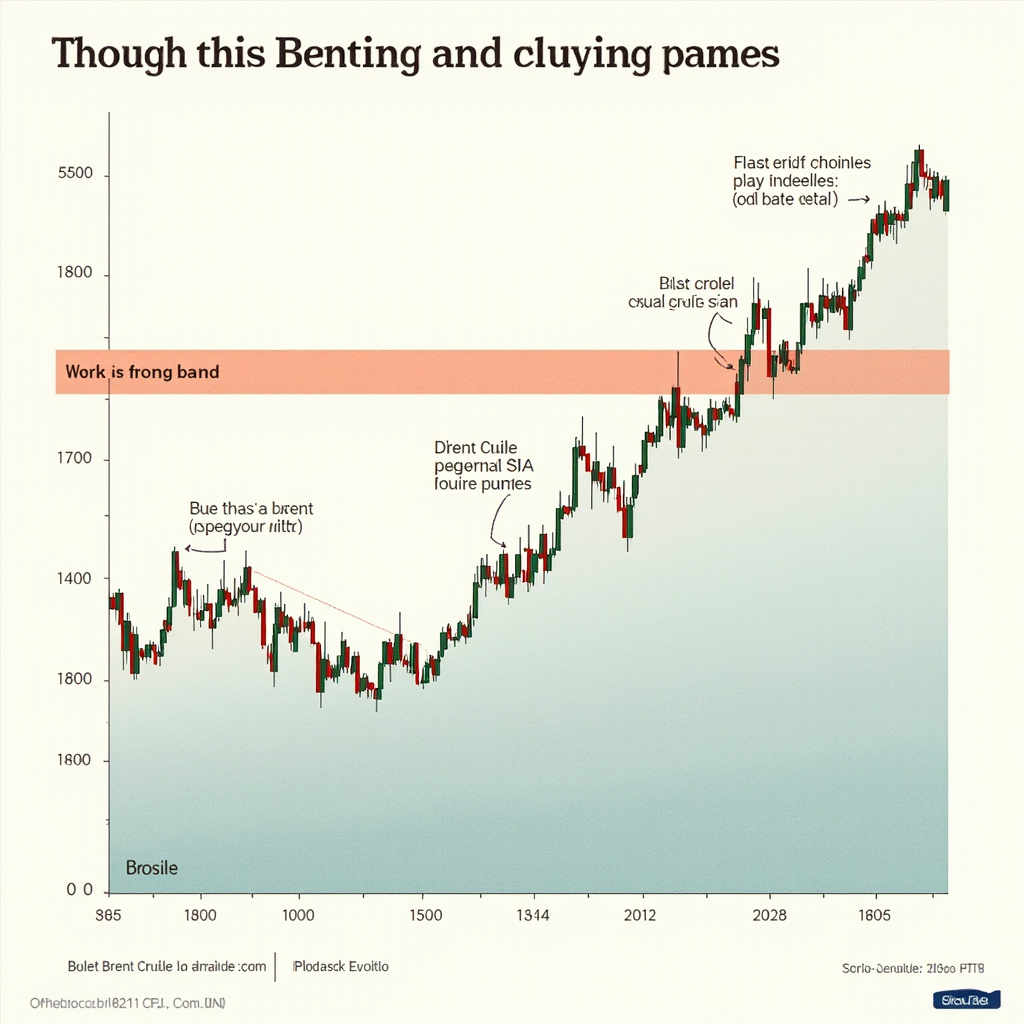
Brent crude remains above $112 per barrel with analysts arguing the war premium is now a permanent feature of oil market structure.
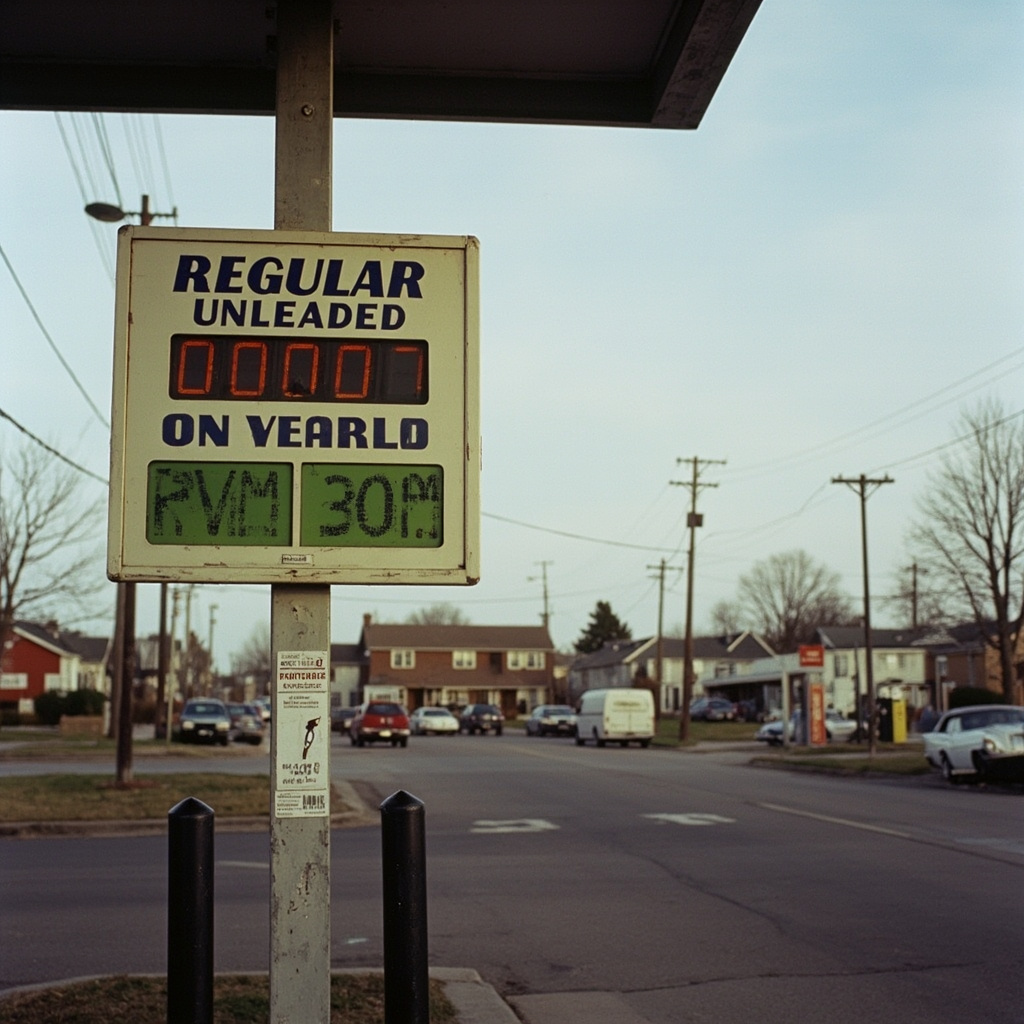
The national average gasoline price reached $3.96 and is expected to breach $4 per gallon this week, the first time since August 2022.
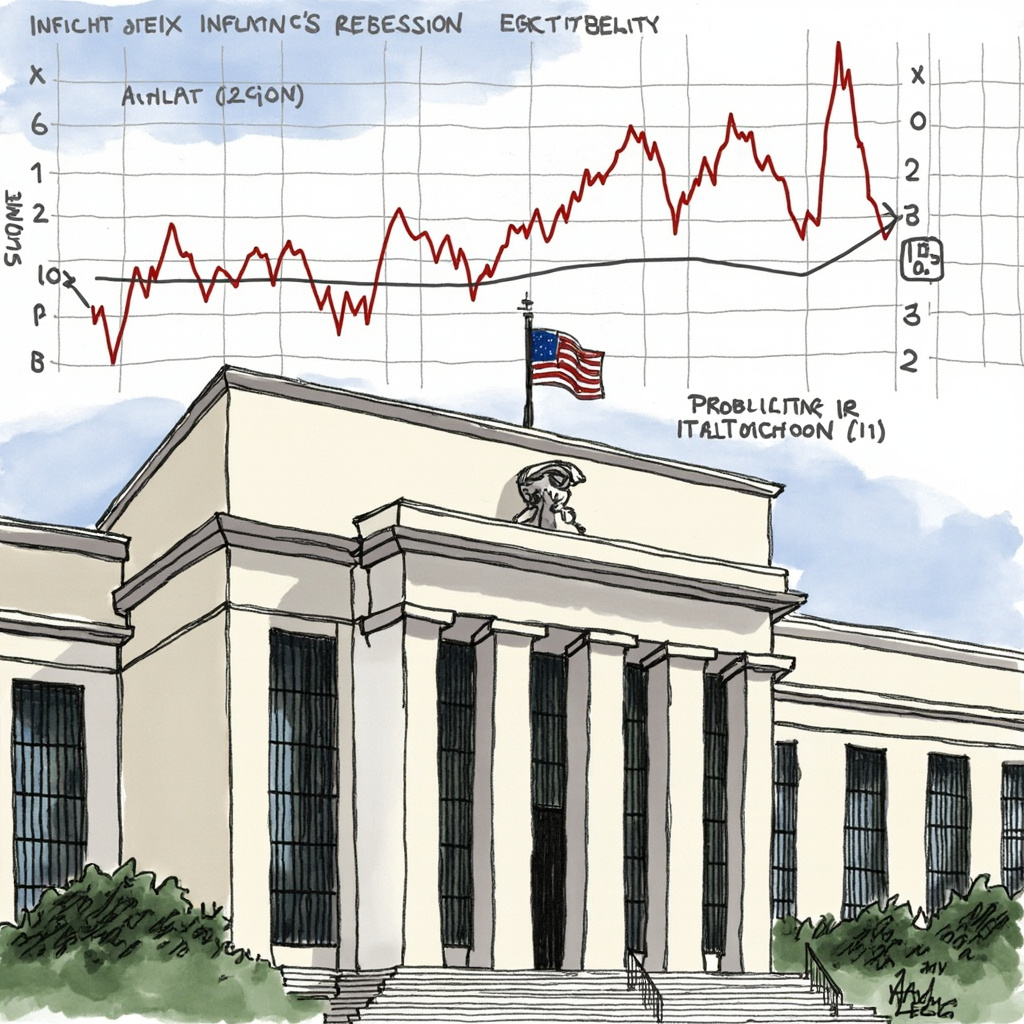
The Federal Reserve is trapped between oil-driven inflation that prevents cuts and recession risk that prevents hikes, holding rates at 3.5-3.75%.

Goldman Sachs estimated a $25-32/bbl war premium in oil prices, but Monday's Kharg Island threats suggest the actual premium may be significantly higher.
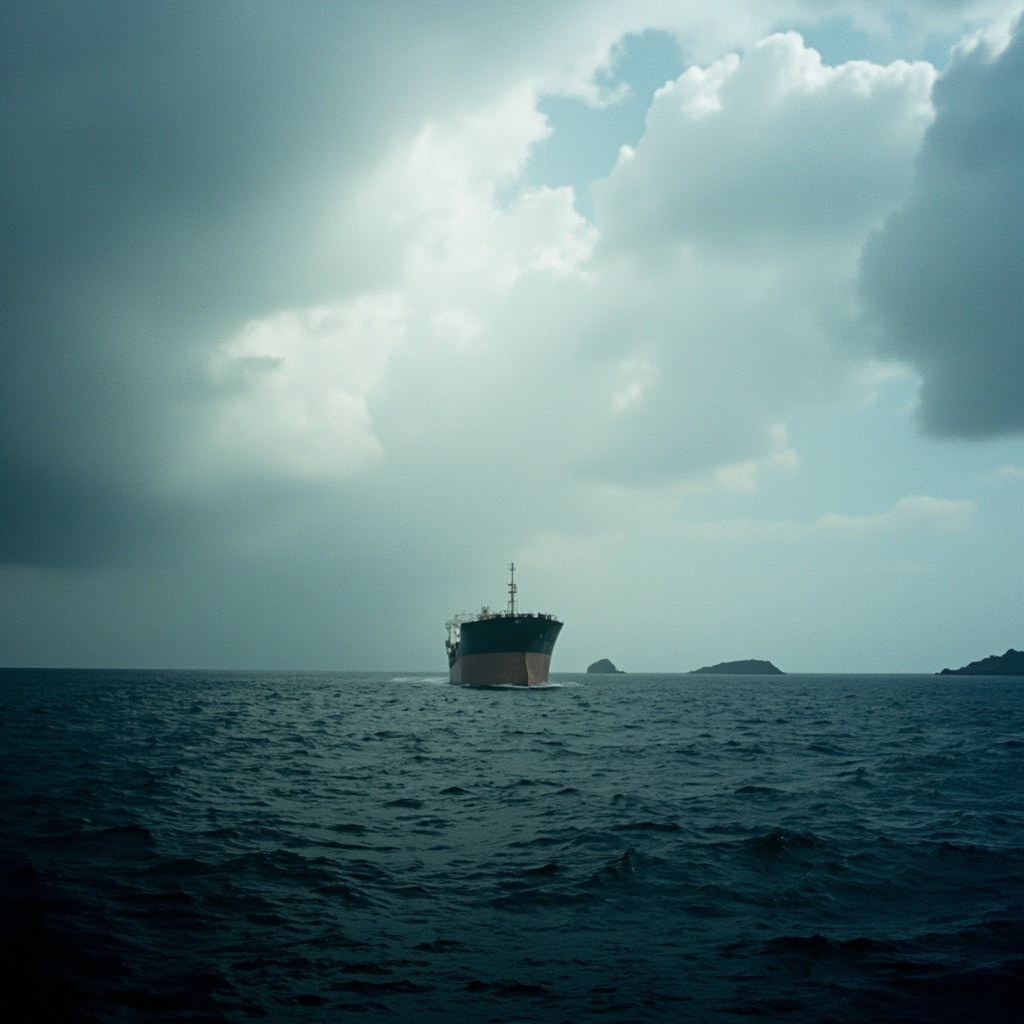
War-risk insurance premiums for Hormuz transit have surged from 0.2% to over 1% of vessel value, effectively closing the strait to commercial traffic.