Oil Bounced Back and the Market Did Not Call the Bluff
Brent settled at $103, not $98 — yesterday's crash was a flinch, not a verdict, and gas is up 34% in a month.
You're offline. Previously read public pages remain available; new requests will resume when you reconnect.
The news. The narrative. The timeline.
Brent settled at $103, not $98 — yesterday's crash was a flinch, not a verdict, and gas is up 34% in a month.
At least two vessels have paid Iran's $2 million Strait of Hormuz toll in Chinese yuan — the first live transactions in a post-dollar energy payment system.
The US offered a 30-day sanctions waiver on Iranian oil — and India's refiners, China's Sinopec, and Iran itself all said no thanks.
The S&P 500 gained half a percent on Tuesday, but the week's real story is a $3 trillion market cap swing driven entirely by ceasefire headlines.
Goldman Sachs raised its 2026 Brent average to $85 from $77, with March/April peaks near $110 — and Wood Mackenzie says $200 is 'not outside the realm of possibility.'
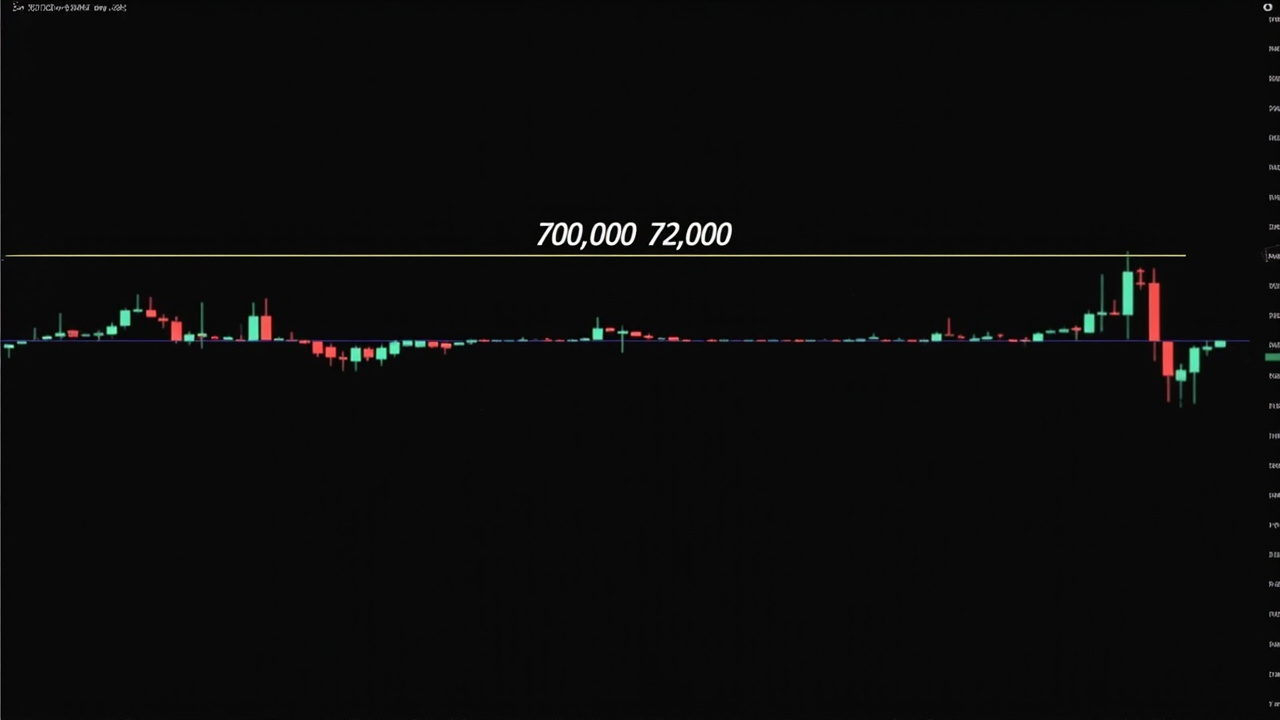
Bitcoin sits at $71,300, range-bound between $70-72K and down 18% from last year — neither crashing in the war panic nor rallying out of it.
The Fed held at 3.5-3.75% with markets pricing 60% odds of zero cuts in 2026 — oil-driven inflation has trapped monetary policy.
The UN estimates $63 billion in regional economic losses in two weeks — and the Pentagon's supplemental request could top $200 billion, for a war without congressional authorization.
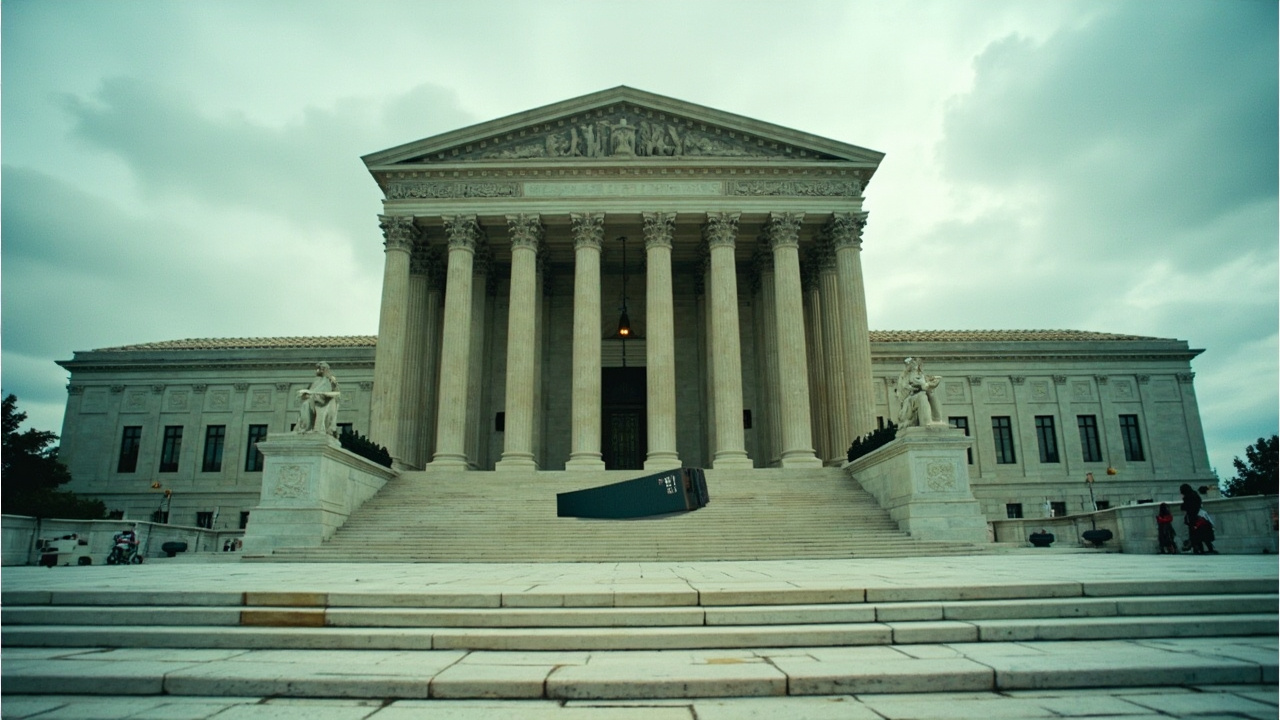
SCOTUS killed IEEPA tariffs 6-3, Trump imposed Section 122 replacements four days later, and 24 states are suing again.
NRF forecasts 4.4% retail growth to $5.6 trillion, but consumer sentiment fell to 55.5, house prices are flat, and CNN says spending is 'starting to crack.'
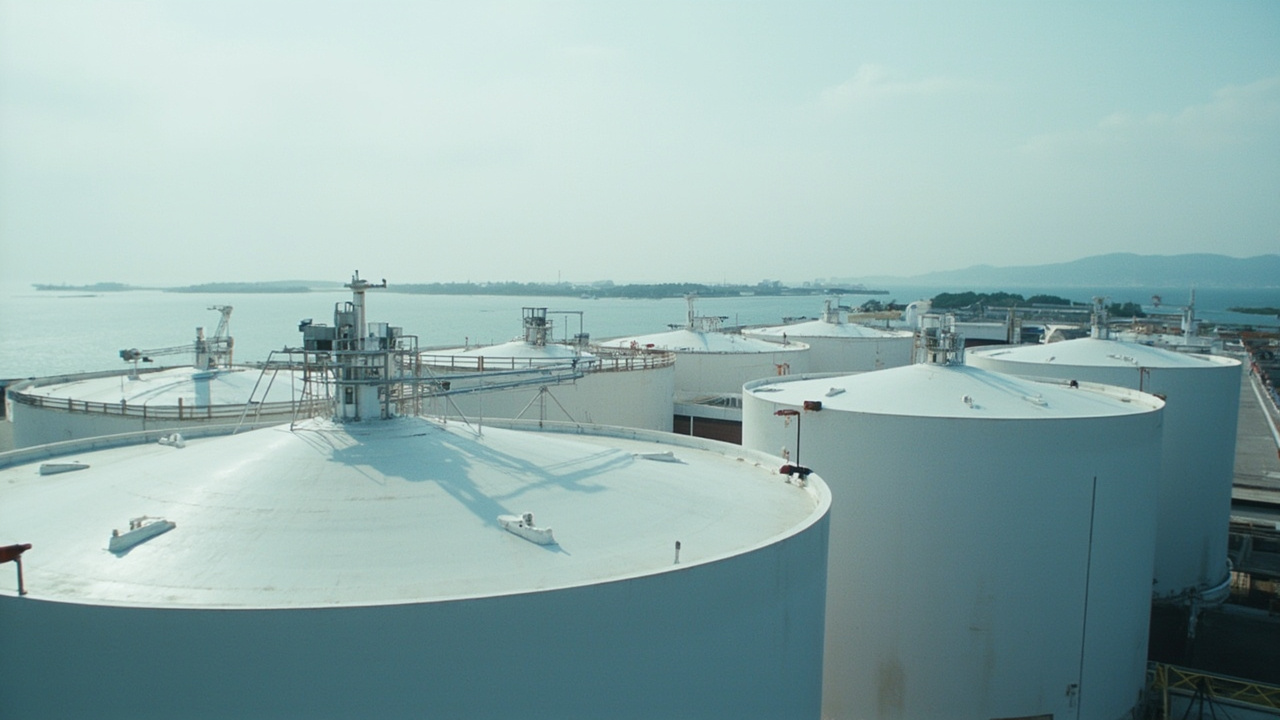
Japan is releasing 53 million barrels from its strategic petroleum reserve — the first nation to officially crack open wartime reserves since the Hormuz crisis began.
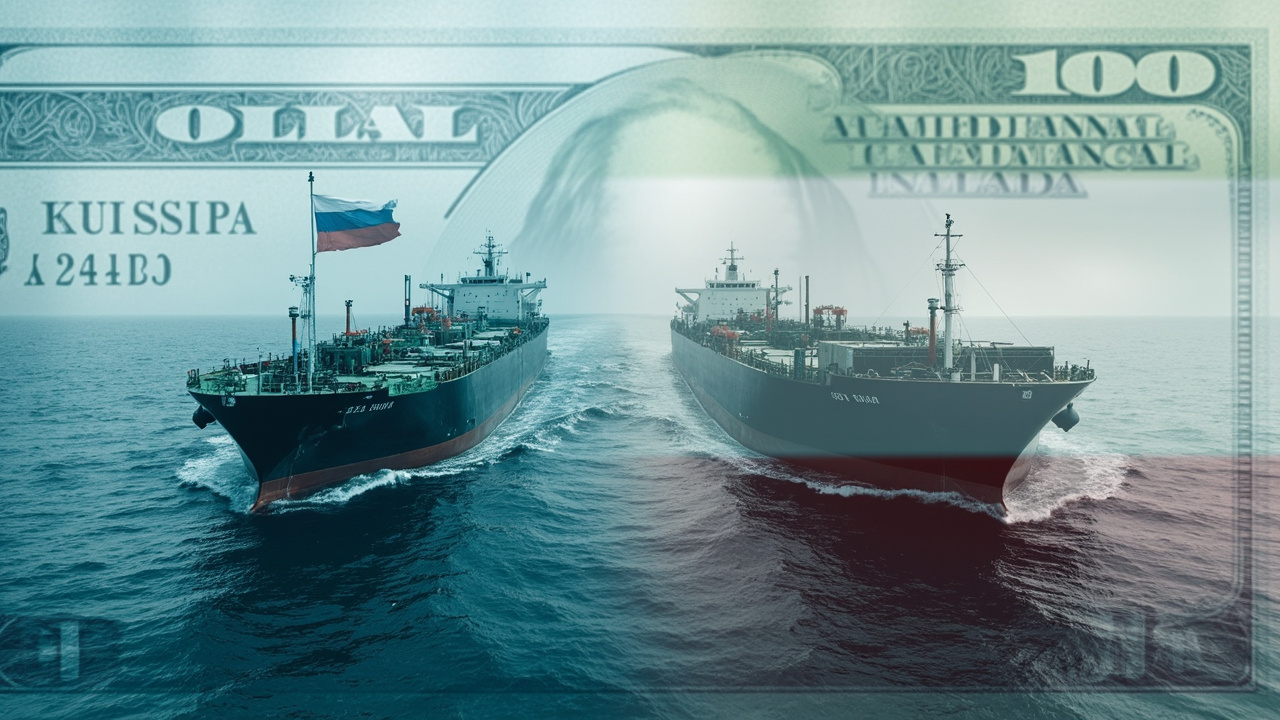
Bipartisan backlash erupted over easing oil sanctions on Russia and Iran simultaneously — Grassley says it fuels Putin's war, Bessent says the US is 'jiu-jitsuing' Tehran.