The Ceasefire That Cannot Be Named: Inside the Iran-American Stalemate
The ceasefire neither side can accept has produced a war that nobody knows how to end — and the troops keep arriving.
You're offline. Previously read public pages remain available; new requests will resume when you reconnect.
The news. The narrative. The timeline.
Bureau: Jerusalem
The ceasefire neither side can accept has produced a war that nobody knows how to end — and the troops keep arriving.
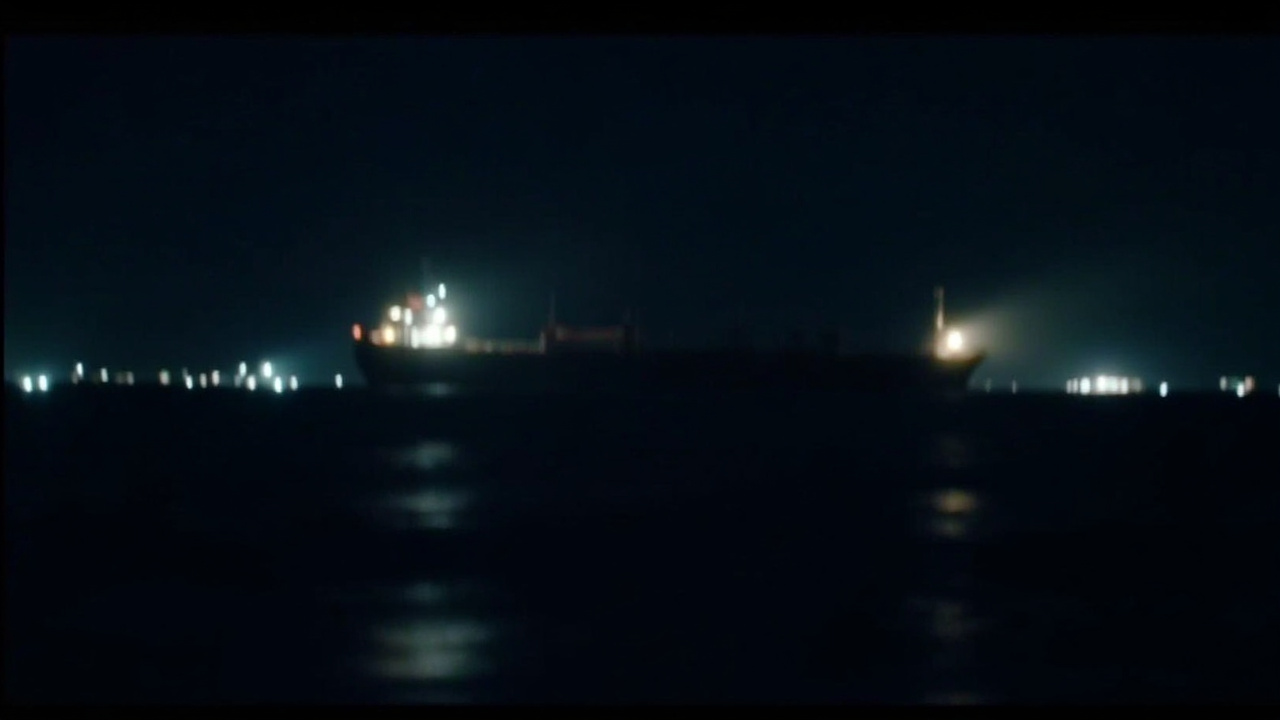
20,000 seafarers are trapped aboard vessels near the Strait of Hormuz as Iran's mining operation enters its fourth week.
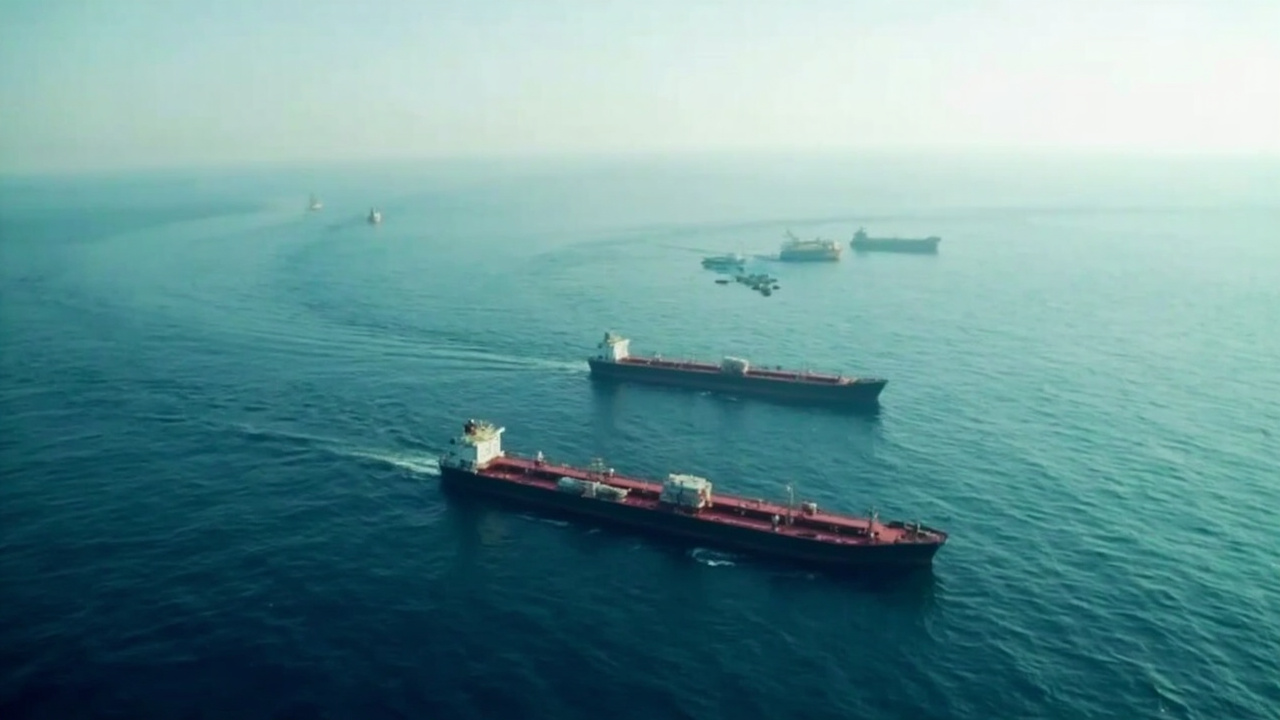
Secretary of State Marco Rubio is threatening an $8/barrel surcharge on Iranian oil if Tehran proceeds with its Hormuz toll system.
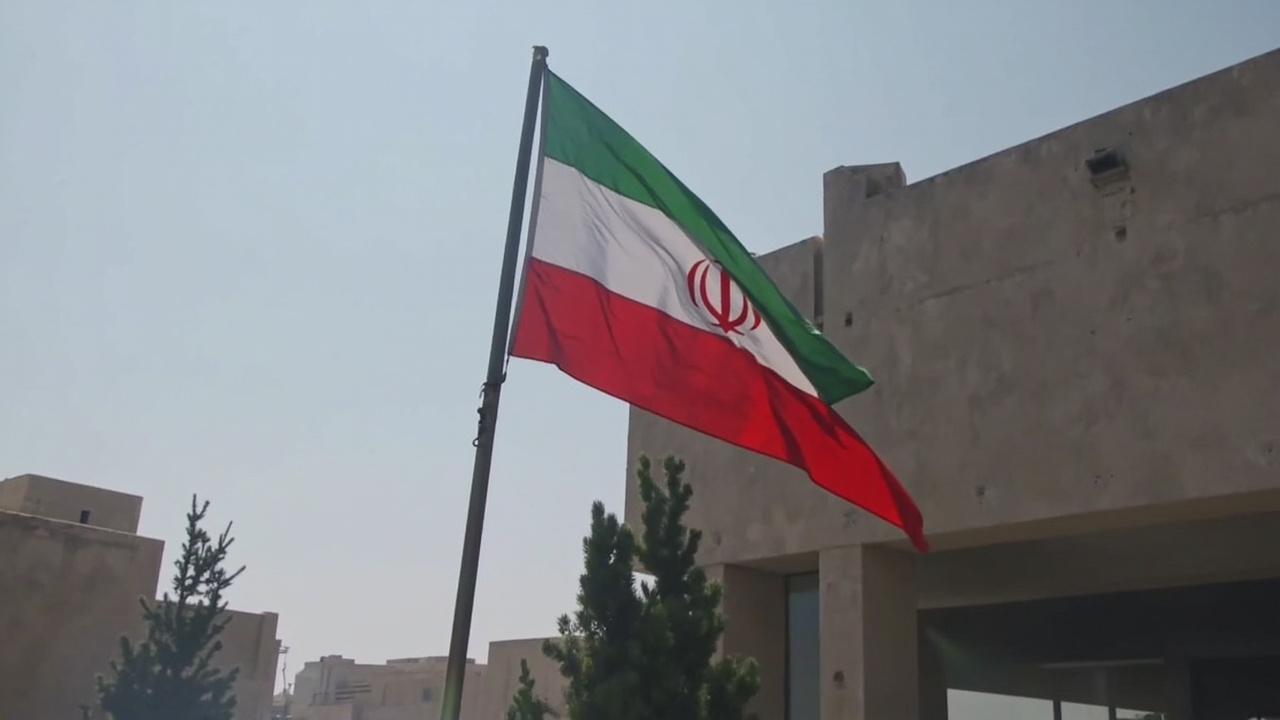
Tehran is reviewing America's 15-point ceasefire plan — and has no intention of accepting it, with $200 billion in reparations as the stated price.
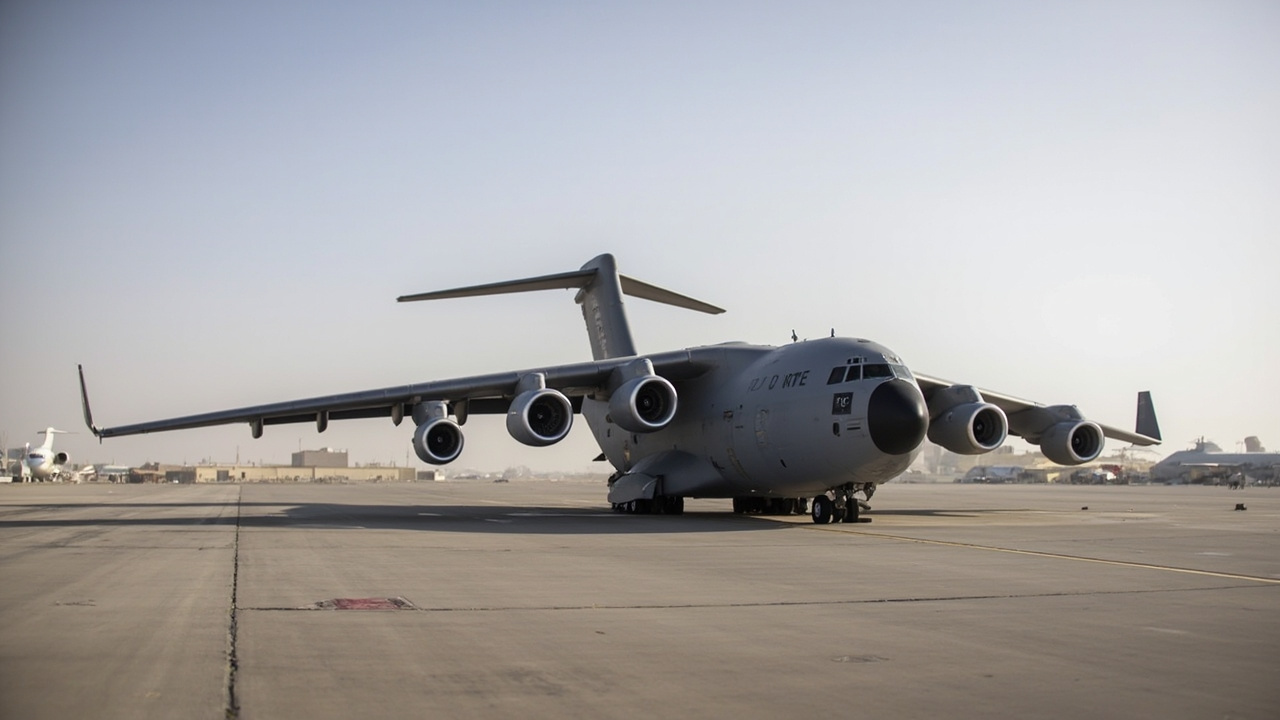
13 American dead, thousands more arriving — and Iran says forces must leave the Gulf before any talks can occur.
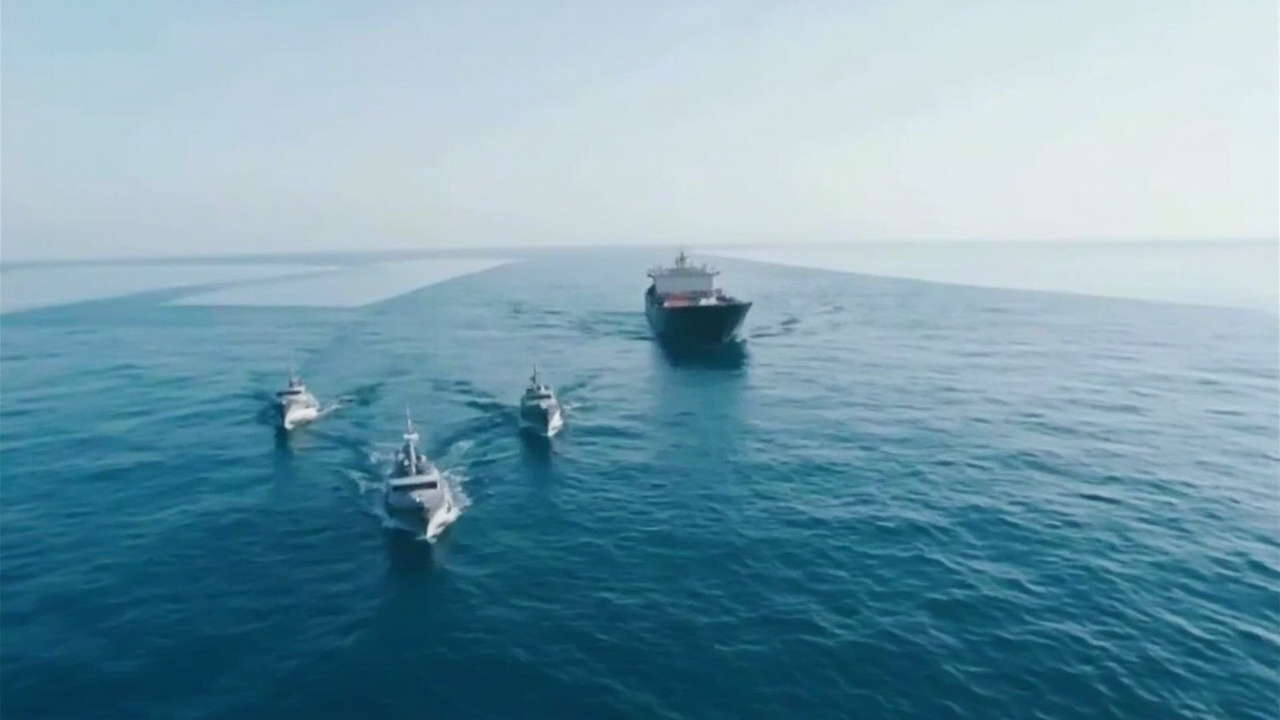
Rubio confirmed Iran runs a selective Hormuz toll road — Malaysia gets through, but the full list remains a secret.
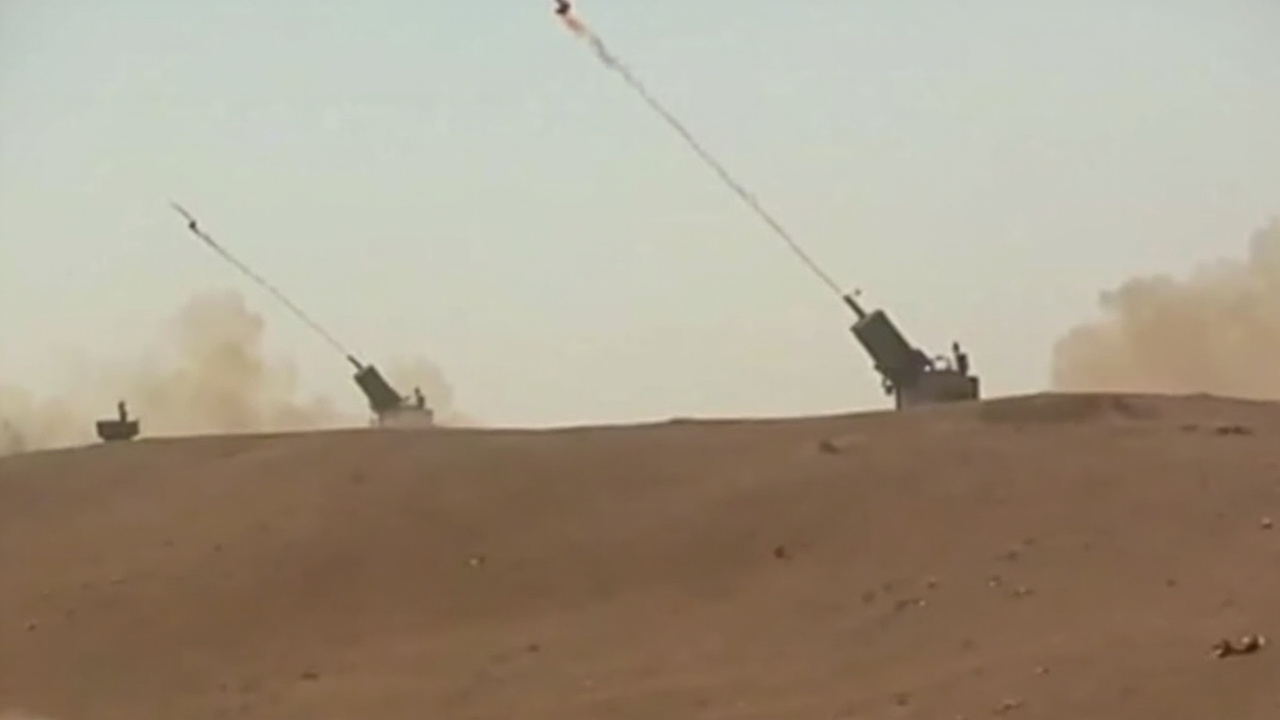
Iranian missiles struck a Saudi air base hosting American forces. Gulf allies are recalculating what their alliance guarantees actually mean.
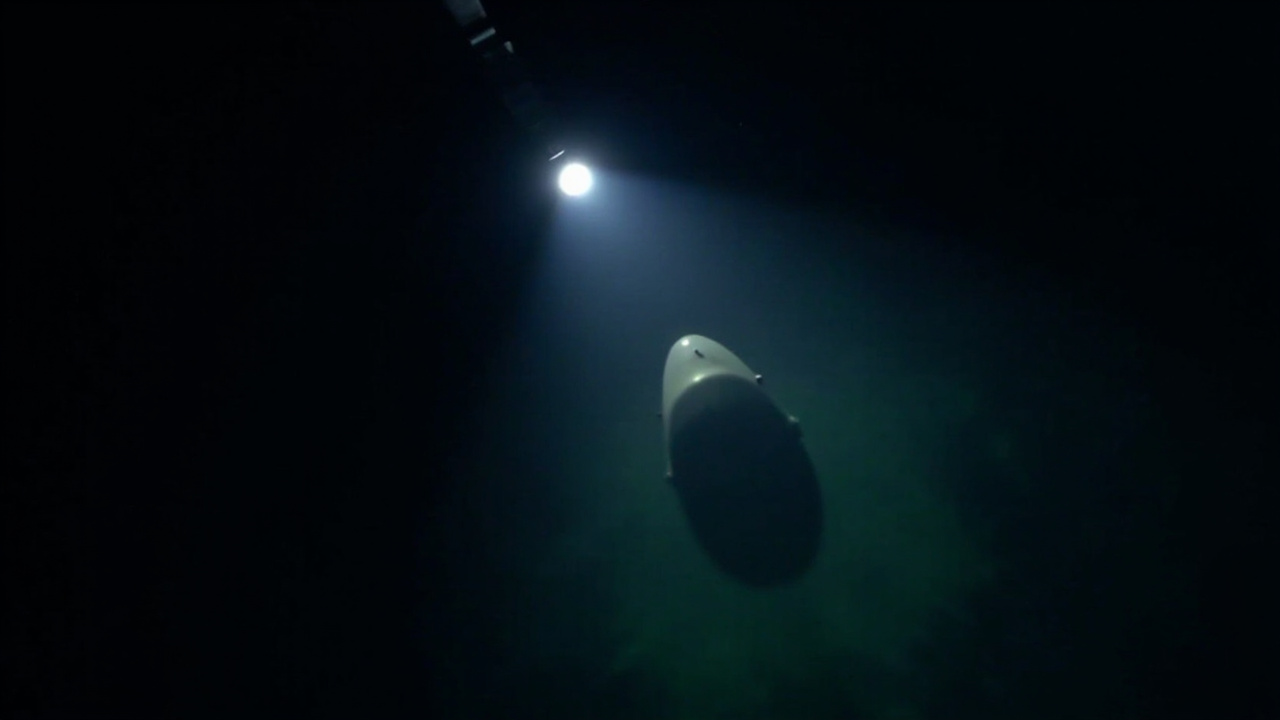
Maham 3 and Maham 7: Iranian-made mines confirmed in the Strait. Here is what they are and what they can do.
Esmail Tangsiri is dead, no successor named, but Iran's Hormuz toll road keeps collecting — the infrastructure outlasted its architect.
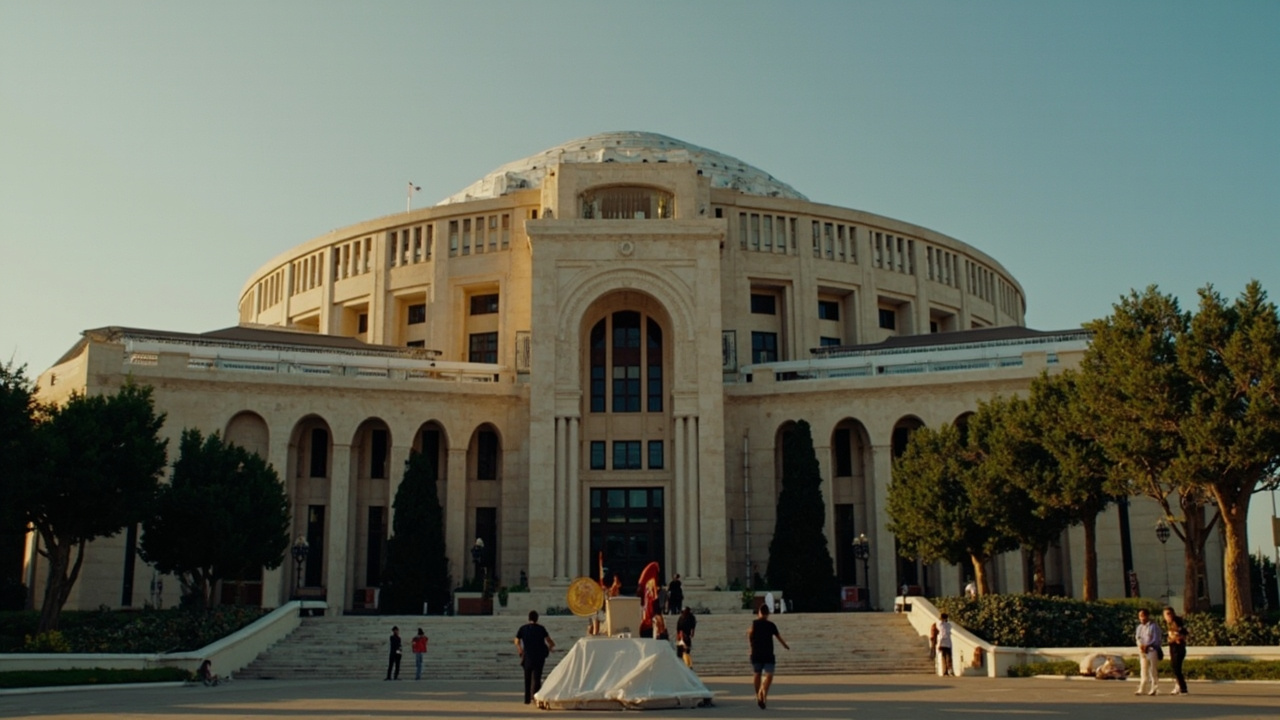
Iran's ambassador to Lebanon has until Sunday to leave — and Lebanon's political crisis makes enforcement complicated.
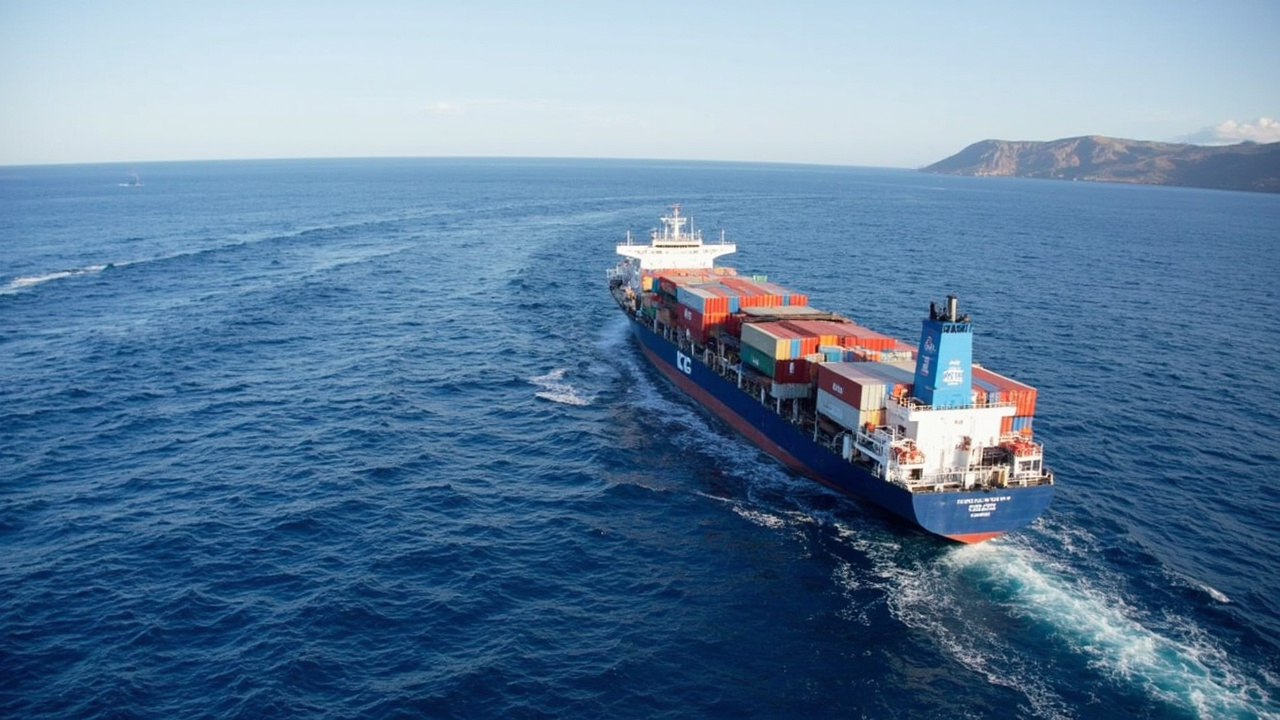
Cape of Good Hope traffic is up 90% as ships add 12-15 days and $3-5 per barrel to avoid the Hormuz toll.
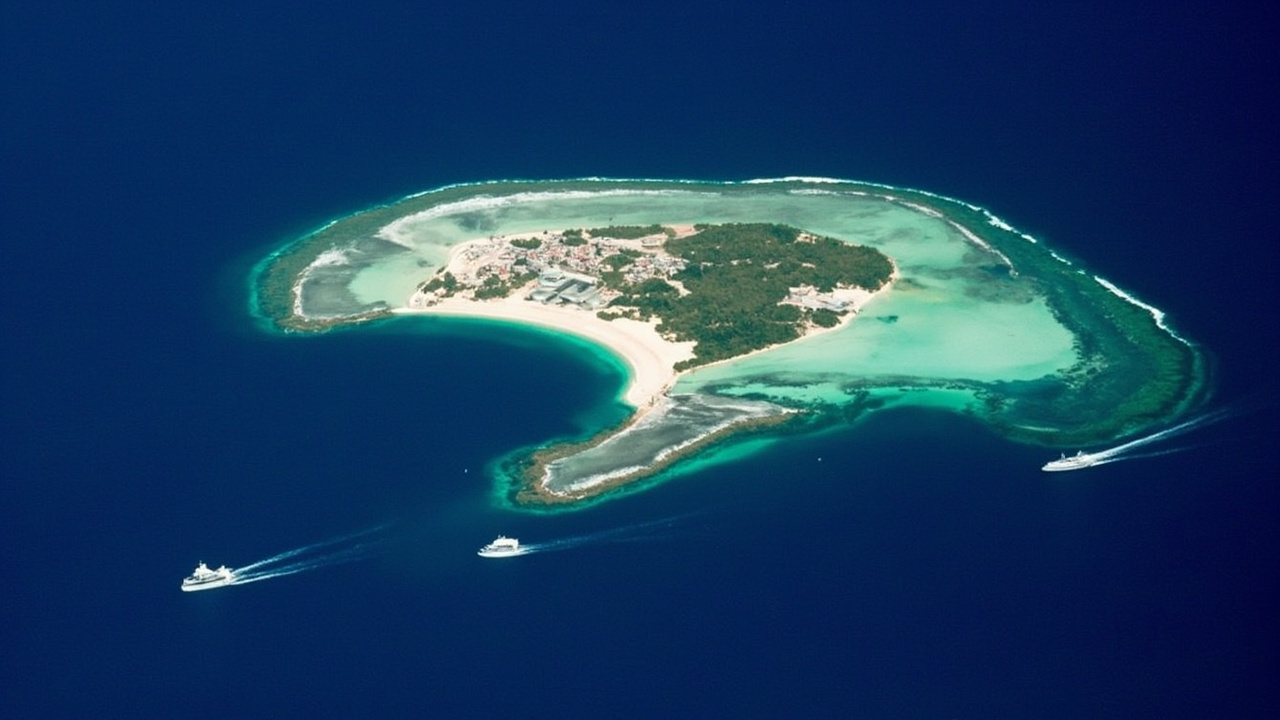
Diego Garcia remains a named Iranian target with no new developments — the base that launched the war is still in place.