
The Fuel Surcharge Cascade: From Hormuz to Every American Mailbox
The USPS just announced its first-ever fuel surcharge, joining Amazon, FedEx, UPS, and DHL in a cascade that now touches every package moving through the American economy.
You're offline. Previously read public pages remain available; new requests will resume when you reconnect.
The news. The narrative. The timeline.
Bureau: San Francisco
The USPS just announced its first-ever fuel surcharge, joining Amazon, FedEx, UPS, and DHL in a cascade that now touches every package moving through the American economy.
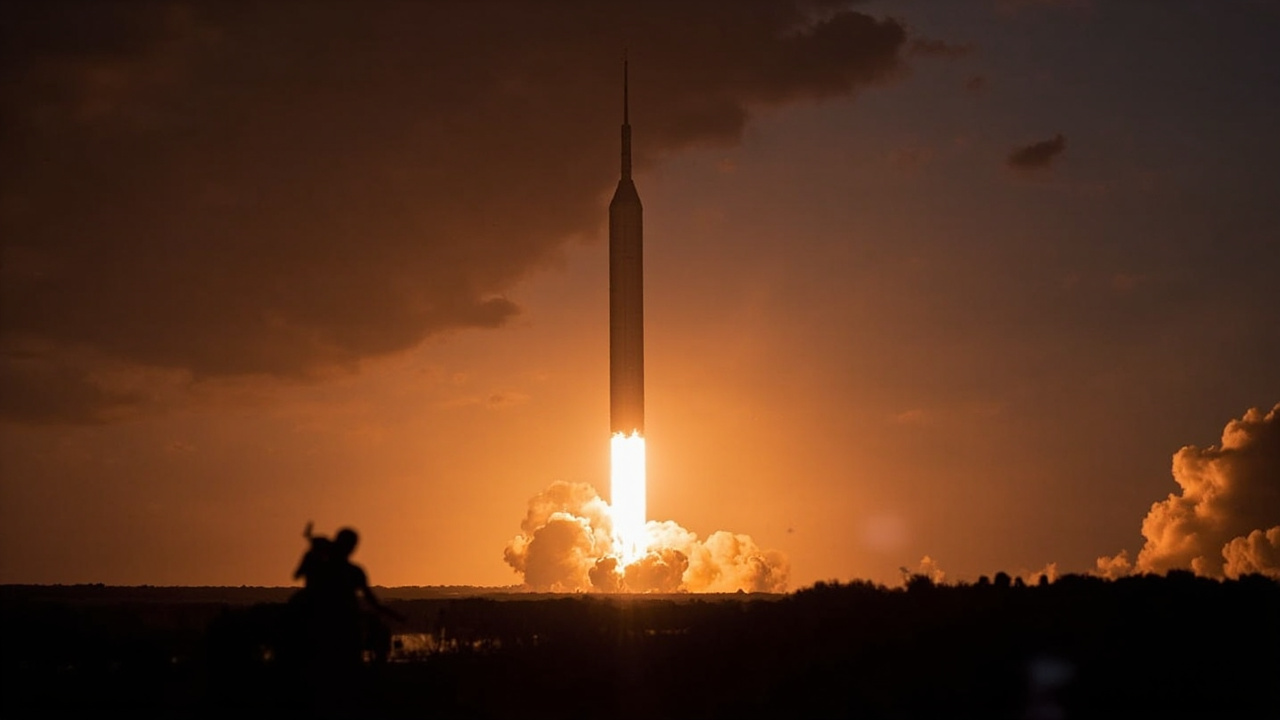
SpaceX filed confidentially for an IPO targeting $1.75 trillion or more, which would make it the largest public offering in history and push Elon Musk past $1 trillion in net worth.

Oracle fired 18 percent of its workforce via a 6 AM email to fund $156 billion in AI data centers, while the IRGC bombed Oracle's Dubai facility the same week.

OpenAI closed $122 billion at an $852 billion valuation, generates $2 billion per month in revenue, and is planning an IPO while still holding a $950 million Pentagon contract.
JPMorgan sees oil squeezing to $120-130 per barrel near-term and topping $150 if Hormuz shipping stays disrupted into mid-May.
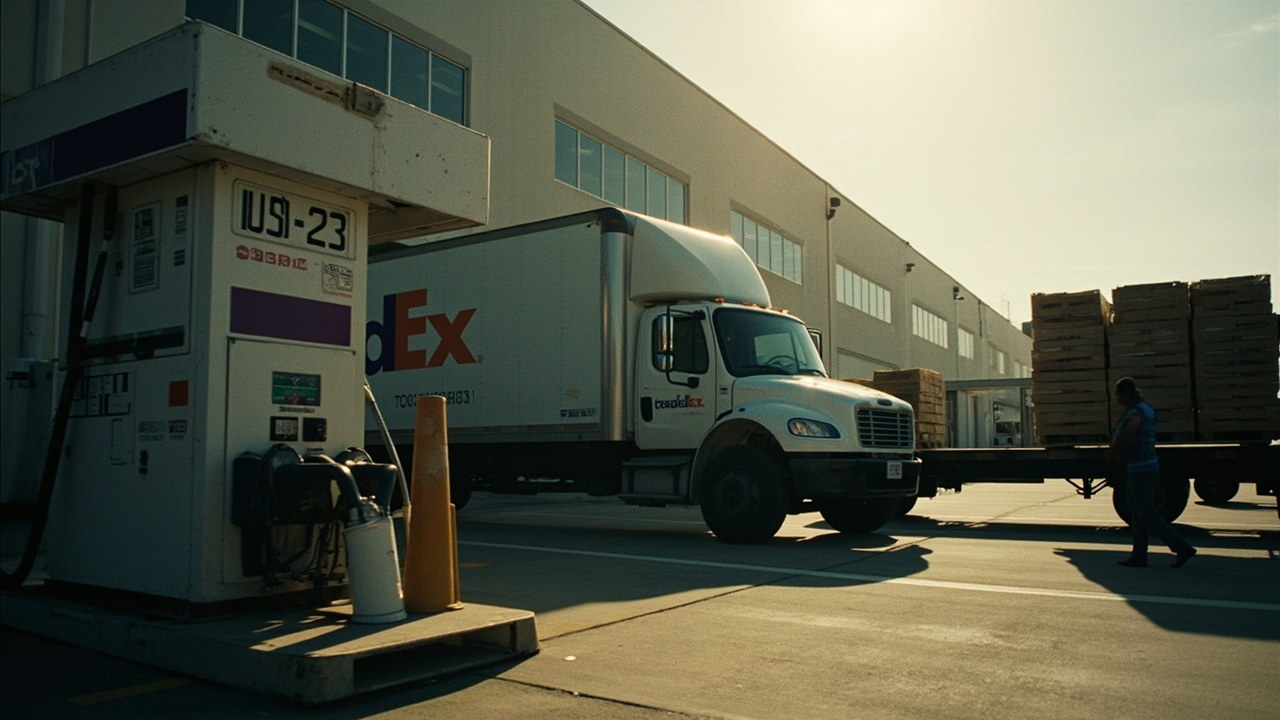
FedEx's freight fuel surcharge reached 49.8 percent for the April 1-7 week, meaning shippers now pay nearly fifty cents in fuel for every dollar of base freight cost.

Amazon confirmed the 3.5 percent FBA fuel surcharge takes effect April 17, and sellers are already pricing in a fee they expect will outlast the war.

Tesla's 358,023 Q1 deliveries missed consensus by 7,600 vehicles while 50,000 excess cars sit in lots, and the war that should help EV sales is killing consumer confidence instead.
Larry Fink warned on March 25 that $150 oil would trigger a 'stark and steep recession' -- ten days later, Brent holds in the $100-110 range and every escalation risk he cited has intensified.

Goldman holds recession odds at 30% — now the most optimistic forecaster as Moody's sits at 48.6%.