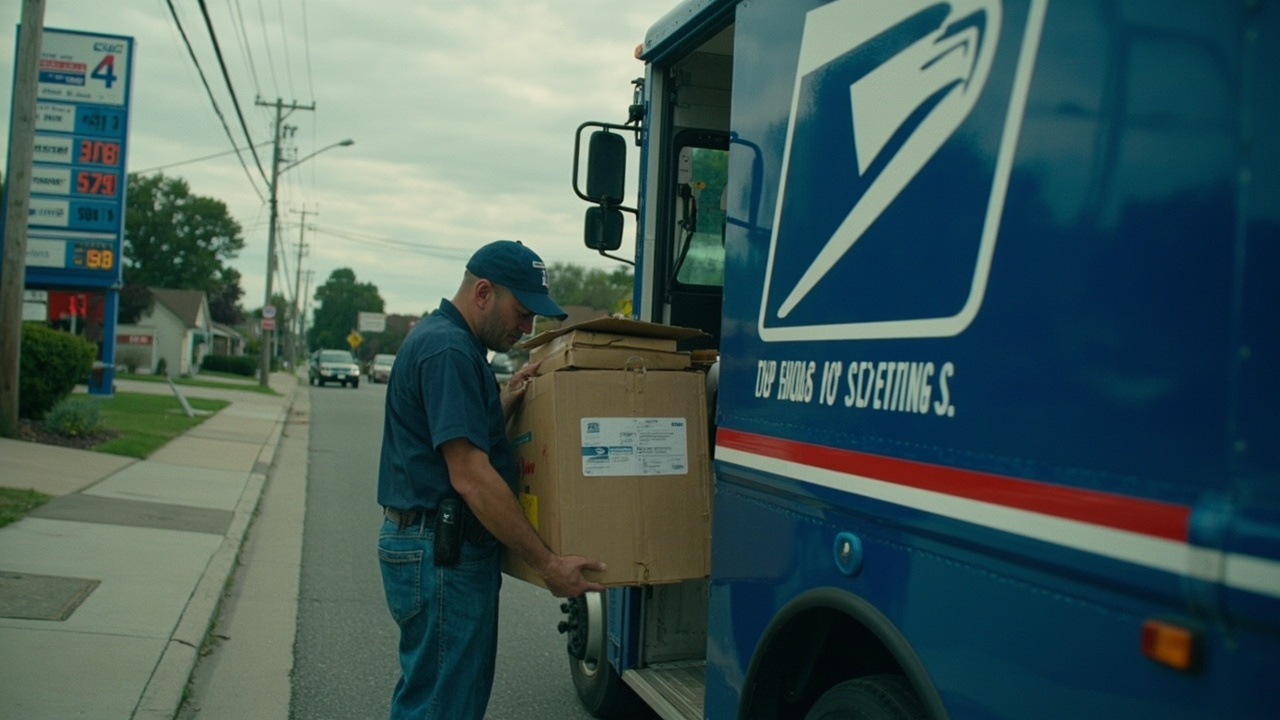
The Fuel Surcharge Cascade: From Hormuz to Every American Mailbox
The USPS just announced its first-ever fuel surcharge, joining Amazon, FedEx, UPS, and DHL in a cascade that now touches every package moving through the American economy.
You're offline. Previously read public pages remain available; new requests will resume when you reconnect.
The news. The narrative. The timeline.
The USPS just announced its first-ever fuel surcharge, joining Amazon, FedEx, UPS, and DHL in a cascade that now touches every package moving through the American economy.
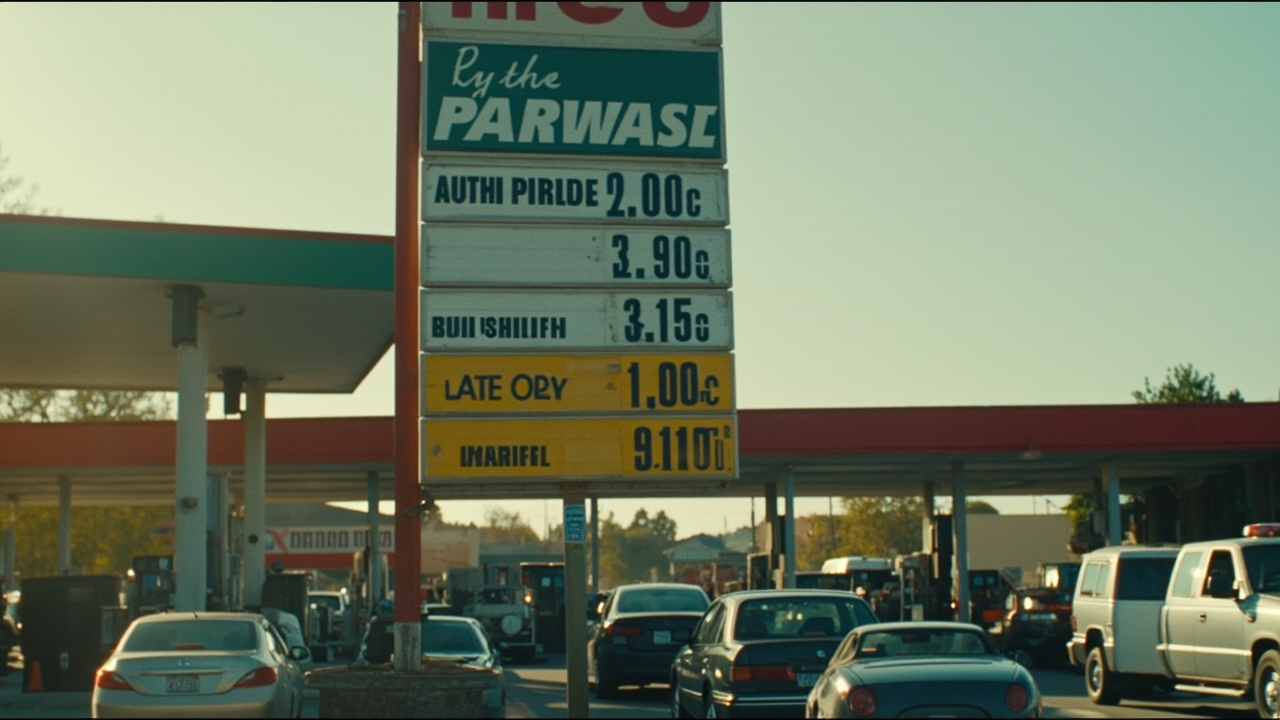
The national average hit $4.104 on Friday and California diesel reached $7.559 -- an all-time record that eclipses even the 2022 Ukraine-era peak.

Dated Brent -- the price for actual physical crude -- hit $141 a barrel on Thursday, while Brent futures settled at $109, a $32 gap that reveals the real severity of the supply crisis.
Senegal suspended all non-essential minister travel, citing 'extremely difficult' times -- the first West African government to impose austerity directly from the Iran war's oil shock.
One year after Liberation Day, the IEEPA tariffs are unconstitutional, $166 billion in refunds are owed, and Trump marked the anniversary by imposing 100% tariffs on pharmaceuticals.
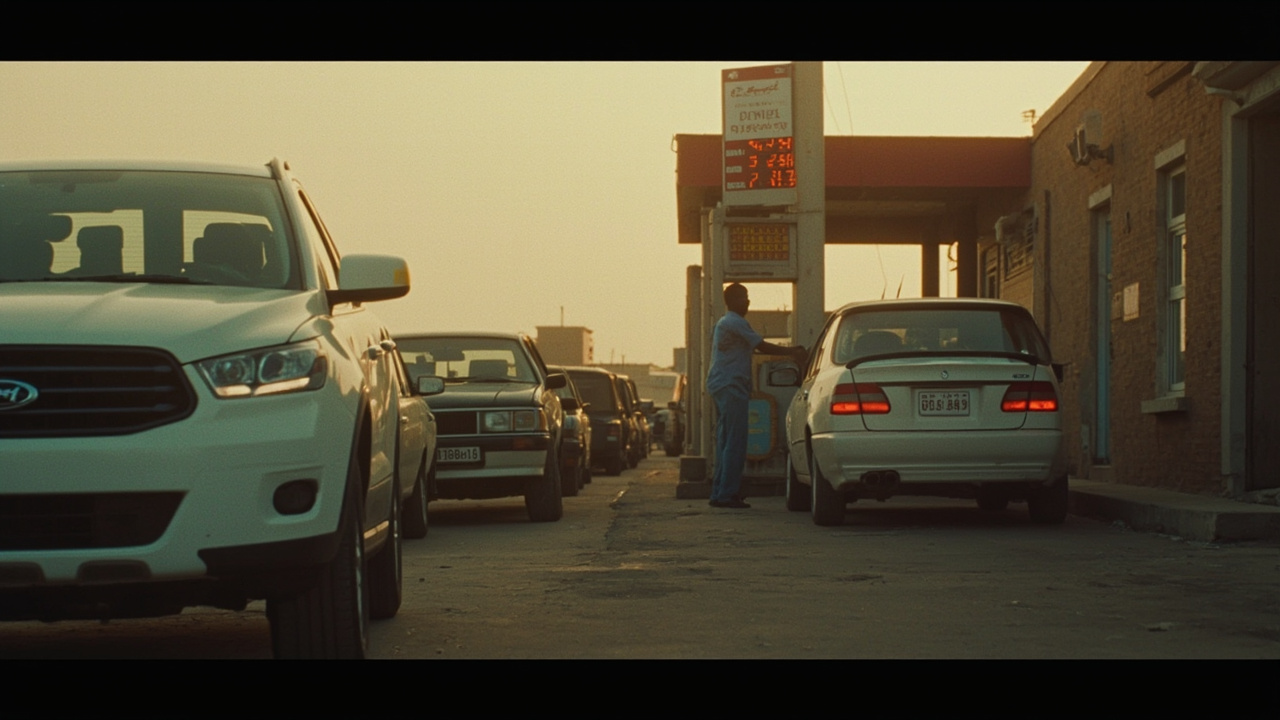
Kenya holds 16 days of petrol and 19 days of diesel, secured a new shipment, and promised stable April prices -- a narrower buffer than any East African country has admitted.
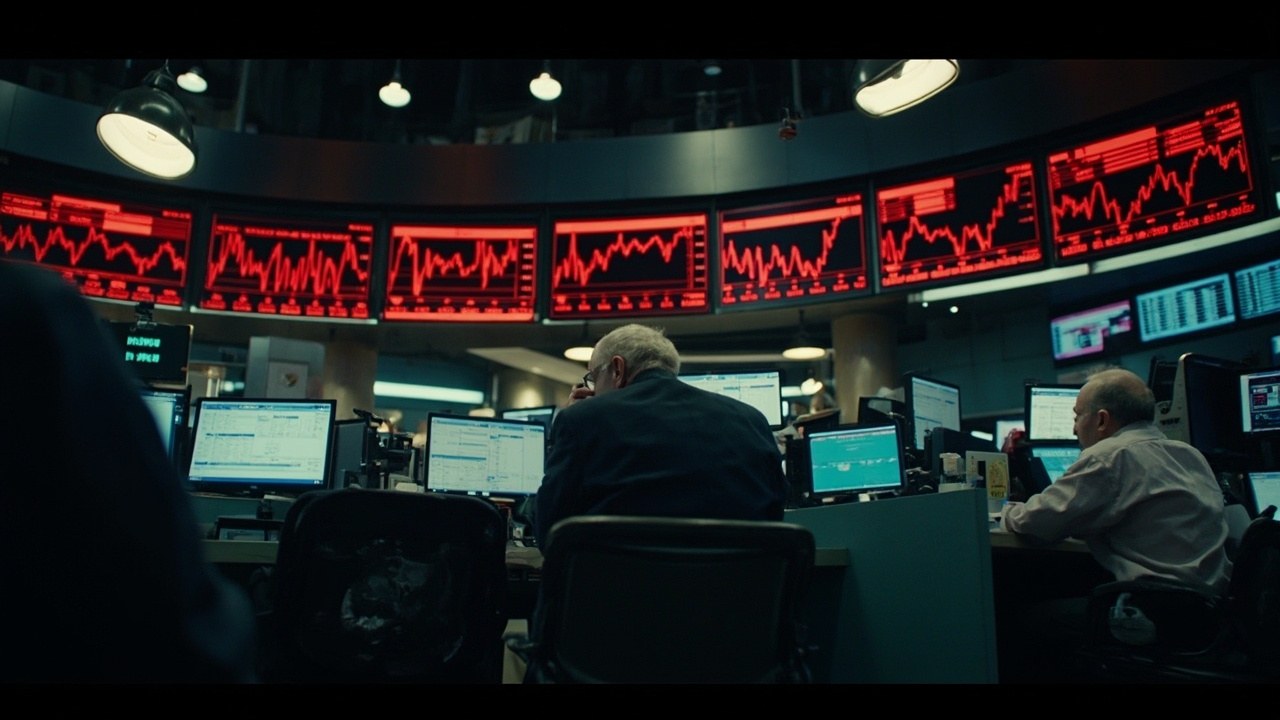
JPMorgan sees oil squeezing to $120-130 per barrel near-term and topping $150 if Hormuz shipping stays disrupted into mid-May.
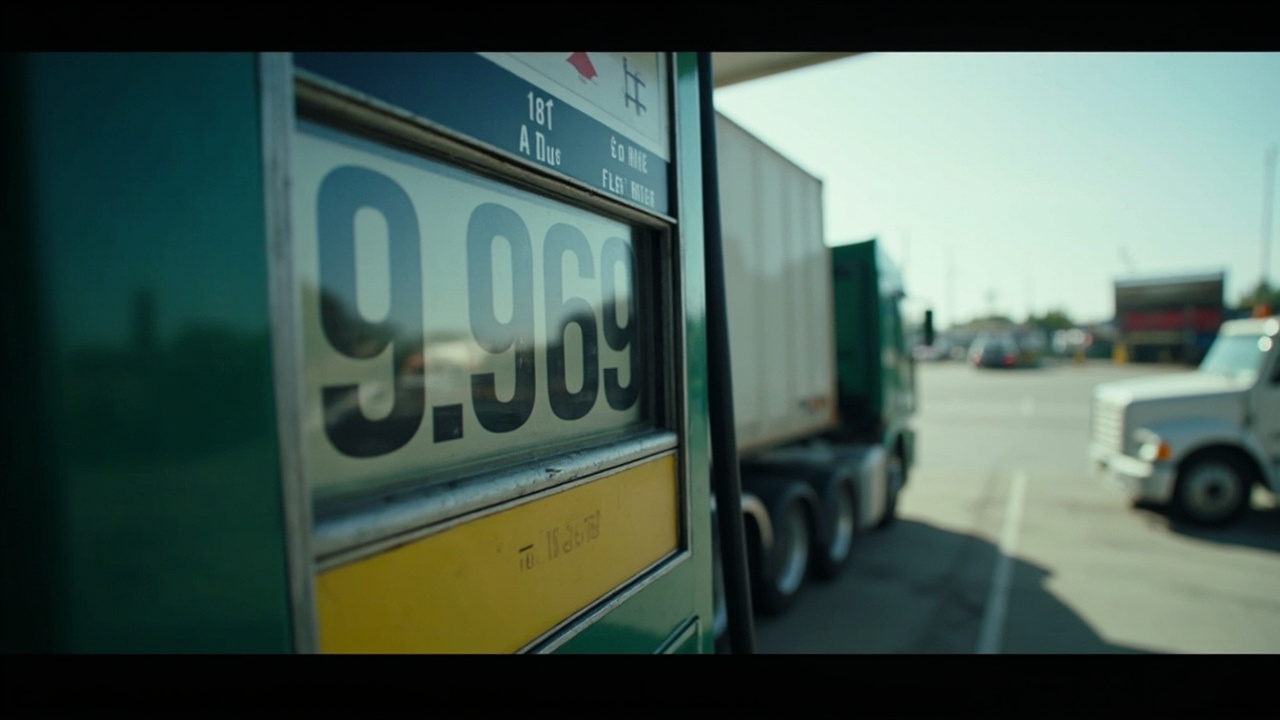
California's statewide diesel average hit $7.559 on Thursday -- an all-time record that surpasses the 2022 Ukraine-era peak by more than fifty cents.
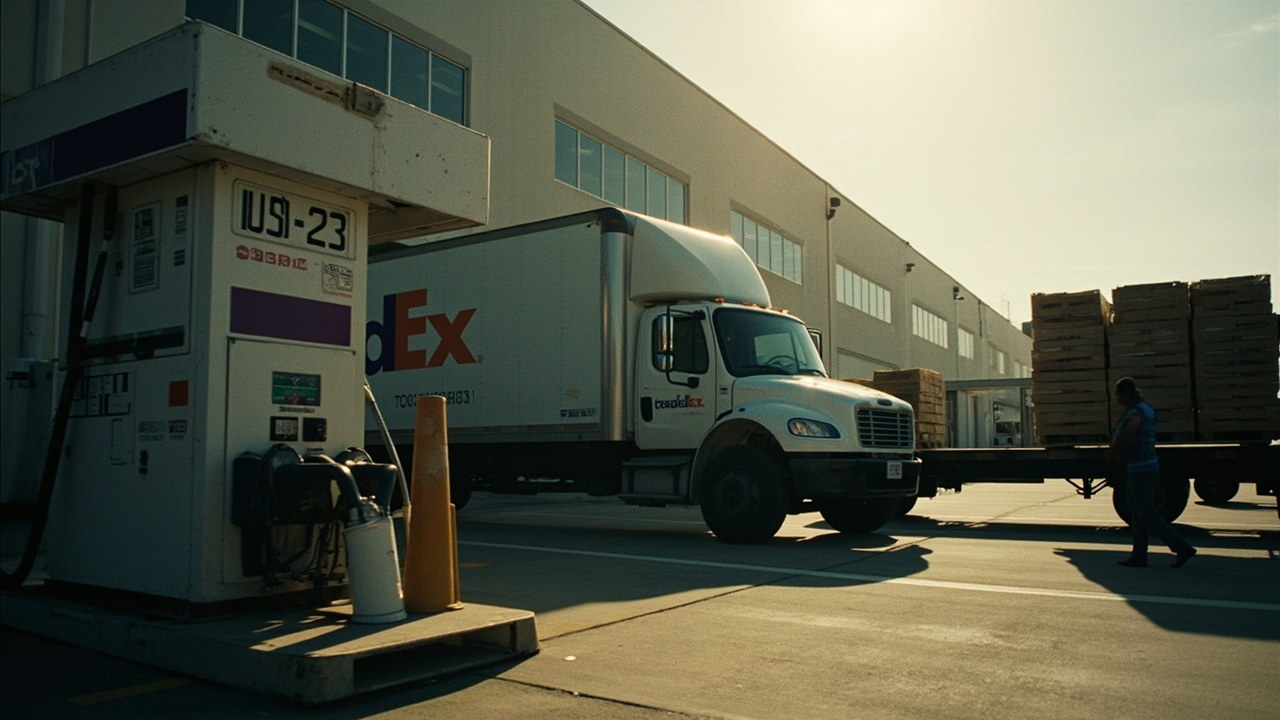
FedEx's freight fuel surcharge reached 49.8 percent for the April 1-7 week, meaning shippers now pay nearly fifty cents in fuel for every dollar of base freight cost.
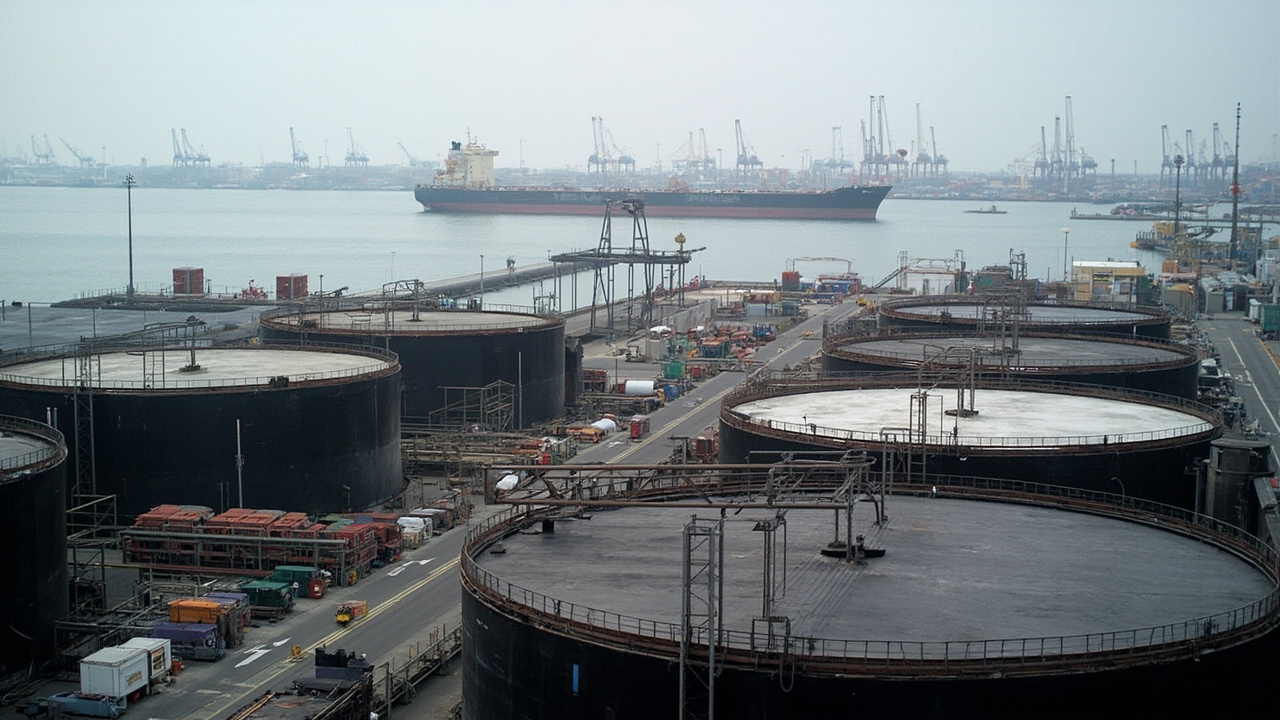
Philippines fuel reserves have risen from 45 to 51 days after a Japanese diesel shipment and diversified sourcing, but the national energy emergency remains in effect and brownouts continue.
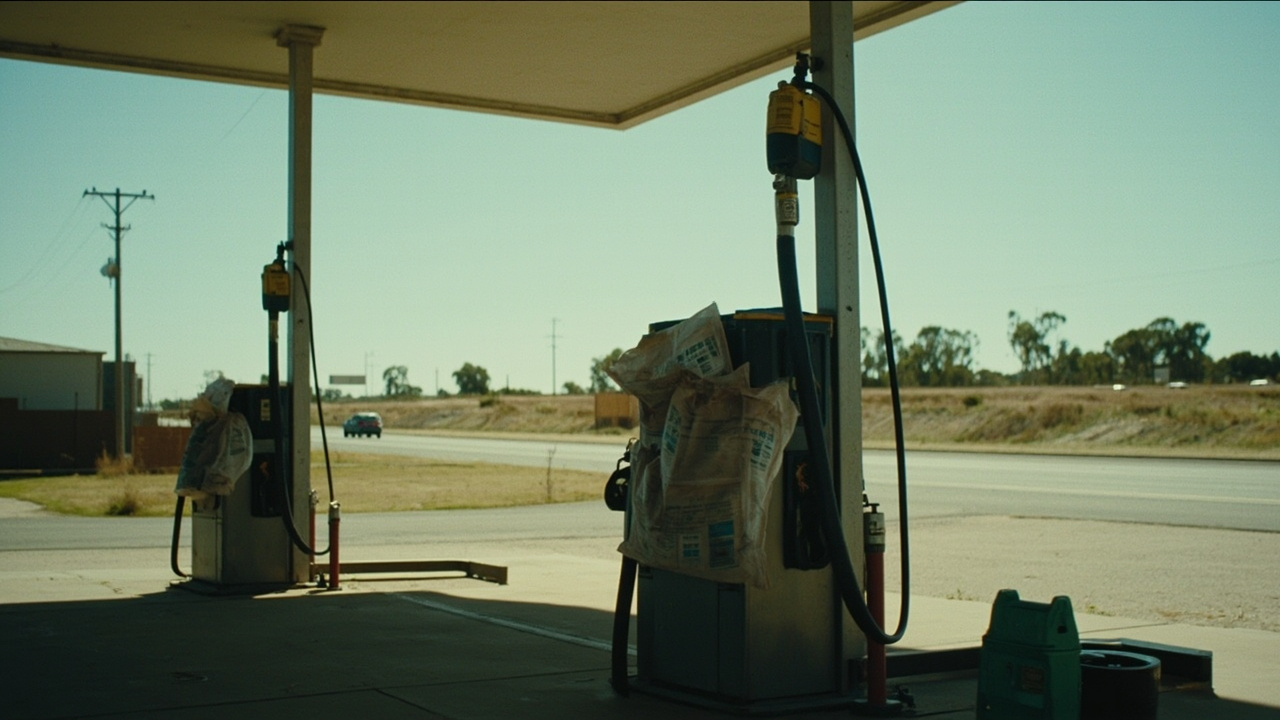
The 182 dry diesel stations in NSW remain the crisis epicenter -- the shortage has not meaningfully worsened in other states this week, but has not improved either.
The 30-day sanctions waiver to release 140 million barrels of Iranian oil expires April 19 -- Iran snubbed it, buyers stayed away, and the barrels never materialized.

Larry Fink warned on March 25 that $150 oil would trigger a 'stark and steep recession' -- ten days later, Brent holds in the $100-110 range and every escalation risk he cited has intensified.

Goldman holds recession odds at 30% — now the most optimistic forecaster as Moody's sits at 48.6%.