TL;DR
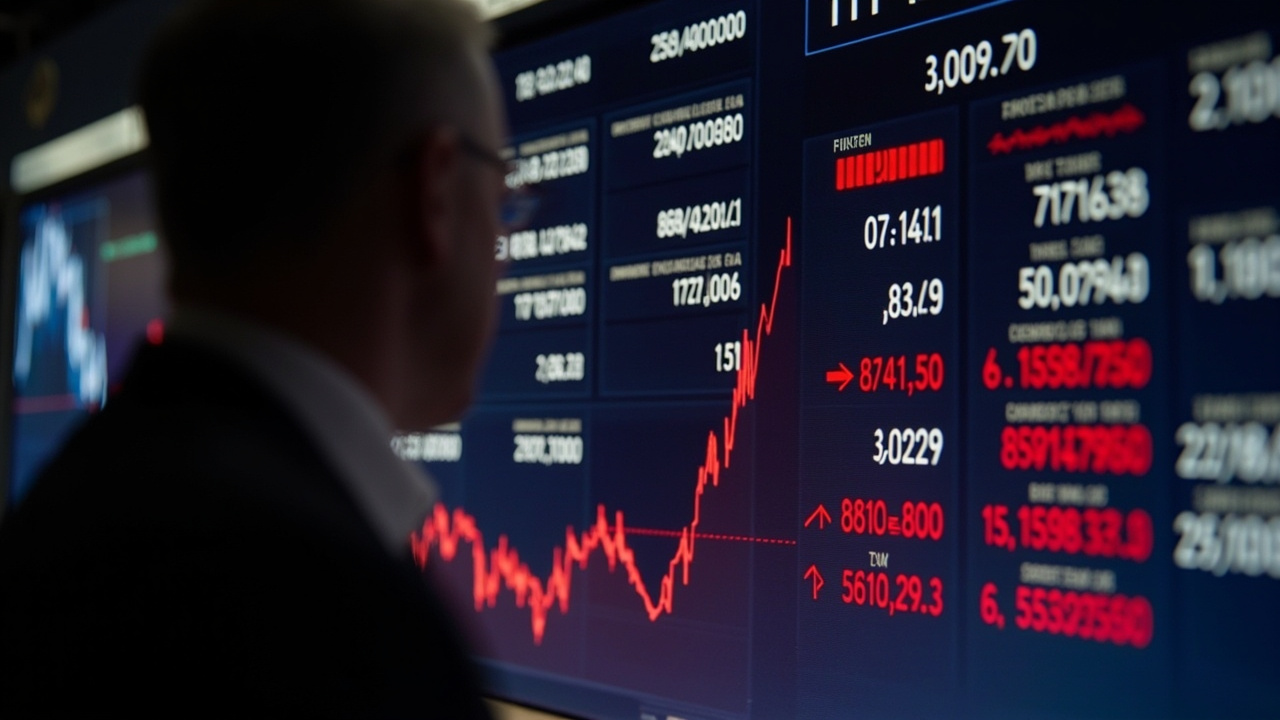
European gas prices have surged over 60% since late February as Iranian strikes on Qatar's Ras Laffan LNG plant trigger a supply crisis that HSBC warns will persist through 2027.
MSM Perspective
Bloomberg reported the 35% single-day gas spike after Ras Laffan, Reuters covered the EU's emergency price-cap debate, and HSBC warned prices stay elevated through 2027.
X Perspective
X discourse frames Europe as the primary casualty of the Iran war, with traders noting markets are now pricing in rate hikes rather than cuts — a reversal unthinkable three months ago.
European natural gas prices have risen more than 60% since February 28, erasing two years of post-crisis normalization in under three weeks [1]. The catalyst is no mystery. On March 19, Iranian strikes hit Qatar's Ras Laffan facility — the world's largest LNG processing complex — sending TTF benchmark futures up 35% in a single session [2]. Prices now hover near EUR 70/MWh, a threshold that, the last time it was breached, triggered continent-wide rationing debates and industrial shutdowns.
This is not an isolated shock. As we reported when Brent crude crossed $119 and the ECB held rates while bond markets priced in hikes, the energy picture had already shifted from a "geopolitical risk premium" narrative to something more ominous: structural repricing. Gas markets have now confirmed that thesis with brutal efficiency. The question facing European policymakers is no longer whether the energy crisis has returned, but whether the tools they built after 2022 are adequate for a fundamentally different threat.
HSBC thinks not. In a research note published this week, the bank forecast European gas prices remaining 40% above prior projections through 2027 [3]. The arithmetic is unforgiving: Europe replaced Russian pipeline gas with LNG, and Qatar supplies roughly a quarter of global LNG trade. A sustained disruption at Ras Laffan — even a partial one — removes optionality from a market that had none to spare.
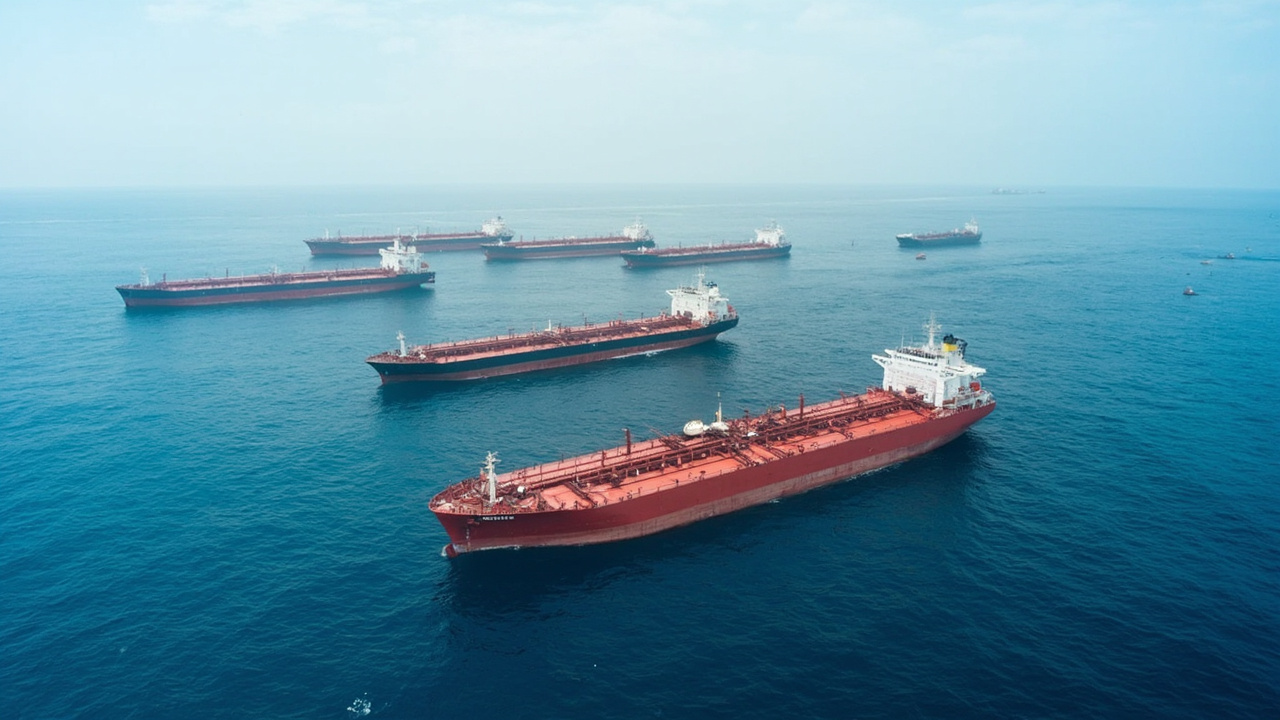
The policy response has been swift but fractured. European Commission President Ursula von der Leyen is reportedly considering a gas price cap, reviving a mechanism the EU deployed in 2022 with mixed results [4][5]. The logic is straightforward: shield households and industry from spot-market volatility. The risks are equally clear. Argus Media analysts warn that caps would undermine the price signals LNG sellers need to justify diverting cargoes to Europe over Asian buyers willing to pay market rates [8]. In a supply-constrained world, price caps do not create molecules.
Industry groups across Germany, the Netherlands, and Italy have echoed that concern. The European Commission is simultaneously exploring targeted relief for energy-intensive sectors — steel, chemicals, glass — whose margins evaporate when gas crosses EUR 50/MWh [9]. But these are palliatives. The structural vulnerability remains: Europe's post-2022 energy architecture depends on LNG imports arriving reliably from a small number of mega-facilities, several of which now sit within range of a live conflict.
Household bills are already moving. Across the eurozone, retail energy prices have climbed sharply, with petrol costs spiking in Germany, France, and the Balkans [6]. S&P Global reports gas benchmarks jumping near EUR 70/MWh as the Iran conflict enters its second week [7]. For the median European household, which spent 2023 and 2024 watching bills gradually retreat from crisis peaks, the reversal is psychologically devastating. The narrative of "temporary disruption" that sustained public patience through the Russian gas cutoff is harder to sell a second time.
This is Europe's second energy crisis in four years, and it arrives with fewer buffers. Storage levels, while adequate for the tail end of winter, offer little comfort heading into a refill season where competition for LNG cargoes will be fierce. The European gas market had priced in peace. It got war instead. The repricing has only begun.
-- HENDRIK VAN DER BERG, Amsterdam
Sources & X Posts
News Sources
X Posts