TL;DR
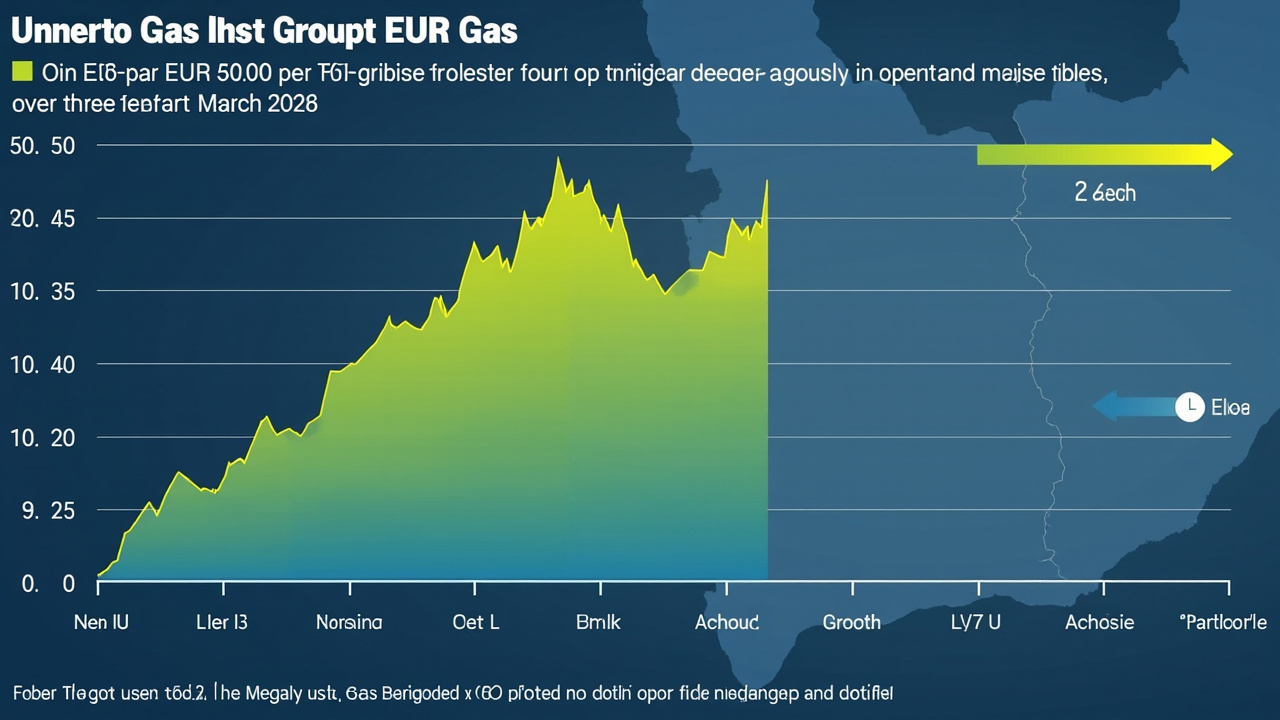
Europe's benchmark TTF gas contract has surged toward EUR 70 per megawatt-hour as the Hormuz closure and strikes on Gulf energy infrastructure revive the continent's worst energy nightmare.
MSM Perspective
S&P Global reported TTF jumping 29 percent on March 9 alone; Asharq Al-Awsat reported a 35 percent weekly surge after fresh strikes hit energy infrastructure on March 20.
X Perspective
European energy analysts on X are comparing this to the 2022 Russian gas crisis but worse — storage started at 30 percent this time, with no months to find alternatives.
Europe's benchmark Dutch TTF gas contract surged to nearly EUR 70 per megawatt-hour on March 20 after fresh strikes hit Gulf energy infrastructure, a rise of roughly 35 percent in a single week. [1] S&P Global reported that the April contract had already jumped 29 percent in one day as Qatar's Ras Laffan LNG facility — Europe's single largest supplier — went offline. [2]
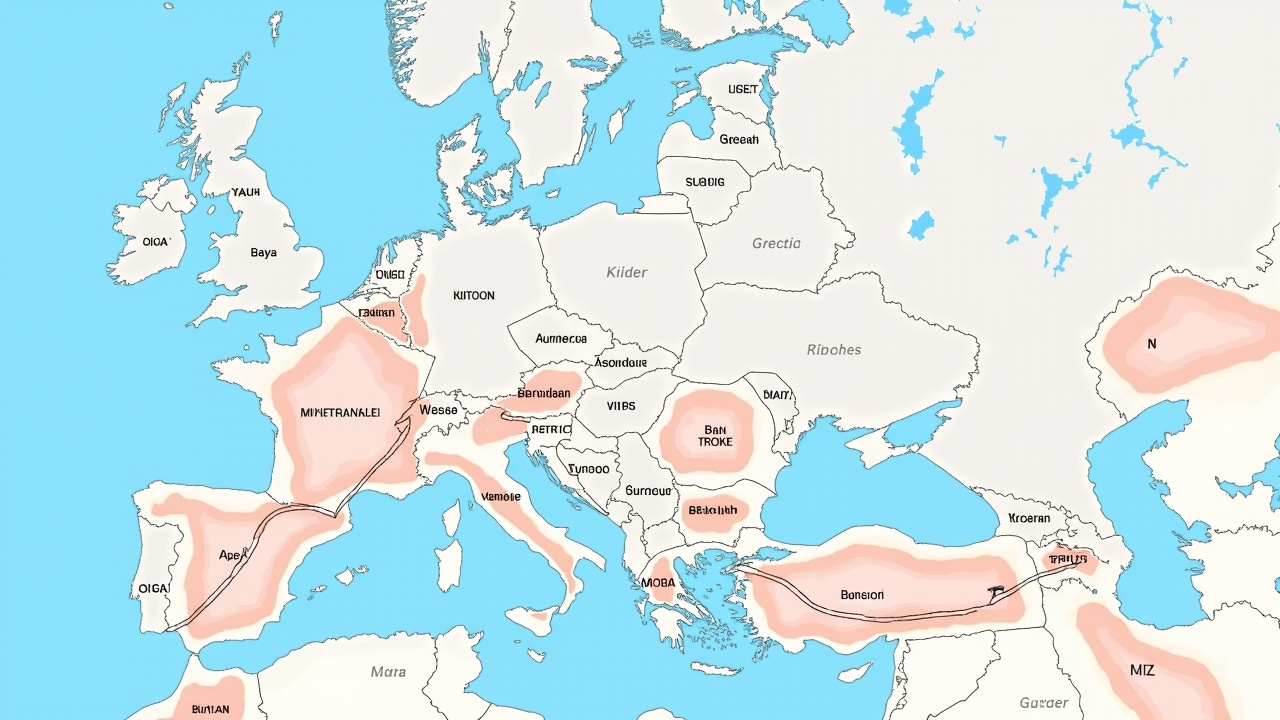
TTF futures have doubled since February. [3] Europe entered 2026 with gas storage at critically low levels — Germany and France at roughly 30 percent — leaving no buffer against a supply shock of this magnitude. [4]
The 2022 comparison is unavoidable but misleading in one crucial respect: when Russia cut gas flows, Europe had months to find alternatives. The Hormuz closure happened in hours. The EU gas price cap mechanism, designed for the Russian crisis, is being tested against a disruption it was not built to handle. [5]
-- HENDRIK VAN DER BERG, Brussels
Sources & X Posts
News Sources