TL;DR
Gas jumped a dollar in three weeks — the fastest peacetime surge since 2008 — and the pump is where the war comes home for voters.
MSM Perspective
The Wall Street Journal quantified it as the 'largest 20-day surge in 25 years,' Reuters tracked the 60-cent jump since February 28, and AAA's weekly reports have become a running indictment.
X Perspective
Financial X accounts are posting gas station photos with date-stamped receipts showing the price climbing week over week, turning the pump into a live protest sign.
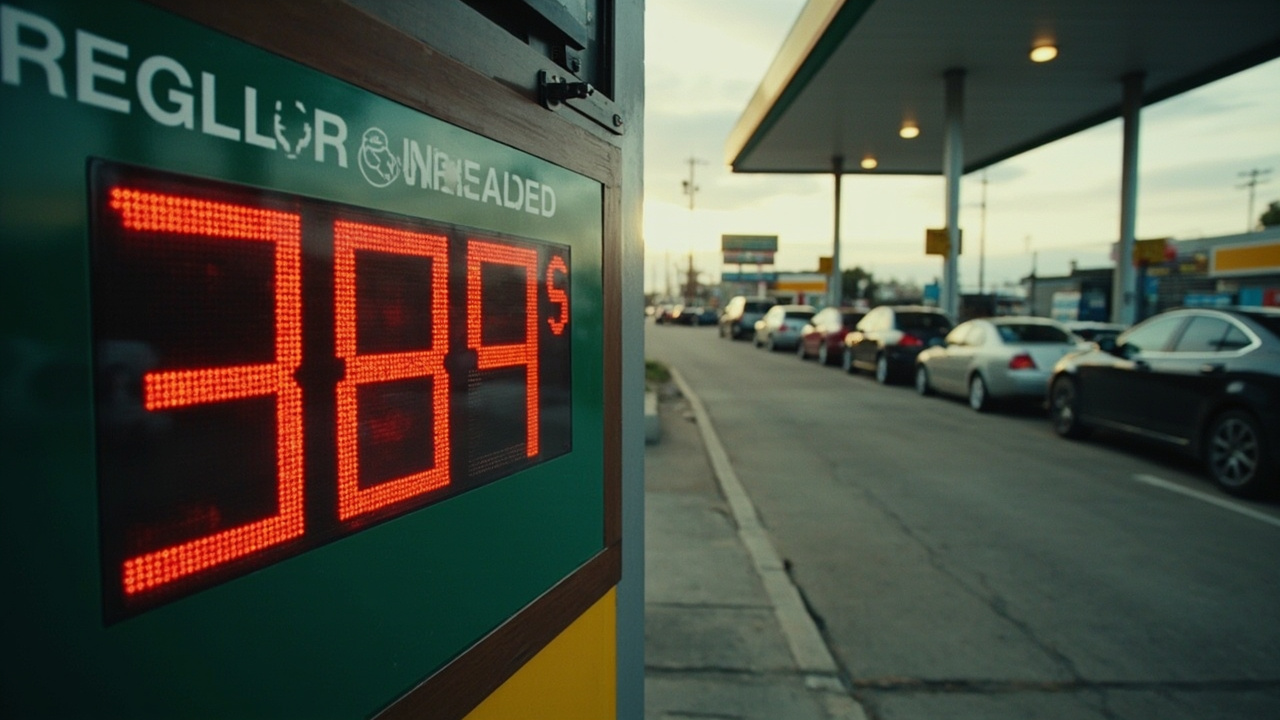
Three dollars and eighty-eight cents. That was the national average price of a gallon of regular unleaded gasoline on March 19, according to AAA. [1] Three weeks earlier, on February 28 — the day Operation Epic Fury began — the average was $2.90. [2] The arithmetic is not difficult. In twenty days, the price at the pump rose nearly a dollar. The Wall Street Journal called it the largest 20-day surge in 25 years. [3]
The sanctions waiver this paper described yesterday — Treasury licensing the sale of the enemy's oil because the war broke the market — exists because of this line on the chart. General License U is an energy document. But the gas pump is a political instrument, and the needle has moved 28 percent in the wrong direction since the first bombs fell.
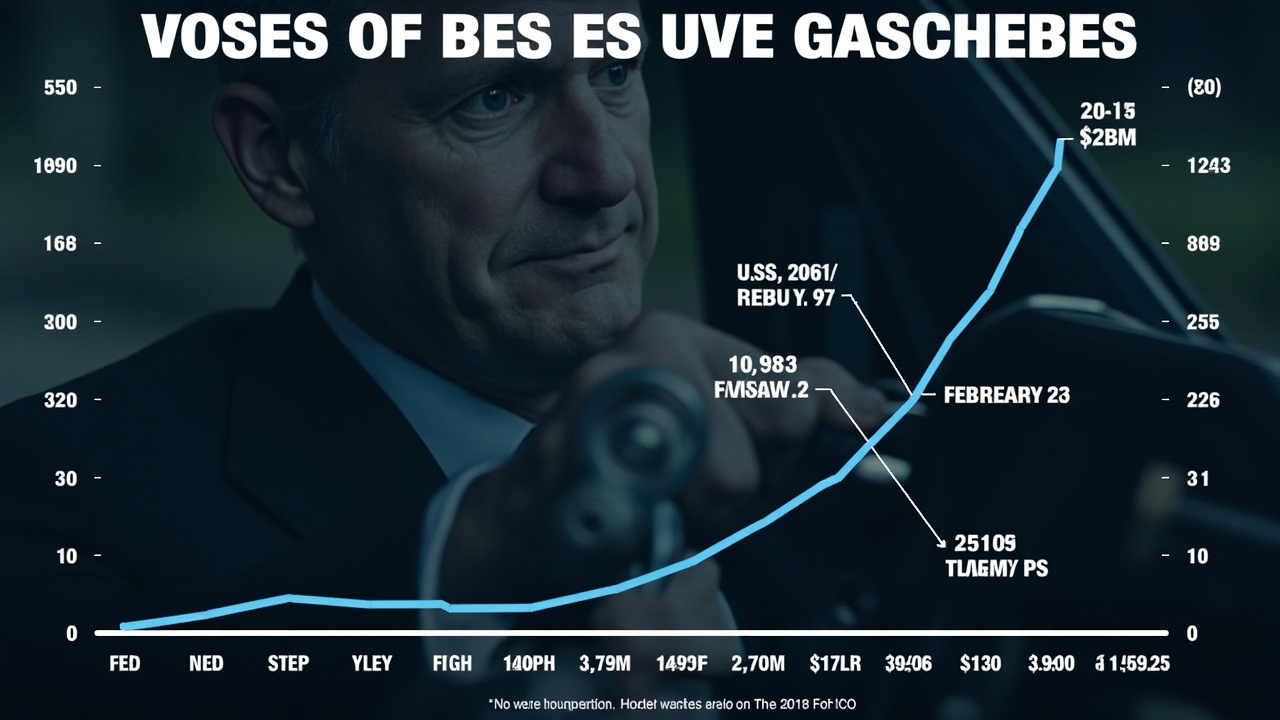
The trajectory has been relentless. On March 3, AAA recorded the biggest single-day spike in three years, pushing the average past $3.11. [4] By March 7, it had reached $3.41. [5] On March 9, the weekly increase topped 15 percent. [6] By March 11, Reuters reported the average had surpassed $3.50 — a jump of nearly 60 cents from the pre-war baseline. [2] Then $3.59. Then $3.79. Then $3.88. [1] Each number arrived like a step on a staircase nobody wanted to climb.
The Pace
What distinguishes this surge from ordinary seasonal fluctuation is velocity. AAA's March 5 bulletin carried the headline "Jump at the Pump" and noted a 27-cent increase in a single reporting period. [7] That was two weeks ago. The increase has since nearly quadrupled.
The Journal's characterization — largest 20-day surge in 25 years — places this alongside the 2008 oil shock, when crude touched $147 a barrel and gasoline reached $4.11 nationally before the financial system itself collapsed. [3] Yahoo Finance has noted the 2022 record of $5.02 per gallon and asked whether March 2026 is on the same trajectory. [8] The comparison is premature. The trajectory is not.
Crude oil explains most of it. Brent is trading above $112. The Strait of Hormuz remains effectively closed. Iranian export infrastructure is degraded. Iraqi force majeure declarations have removed additional supply. The mechanisms that convert barrel prices into pump prices operate with a lag of roughly two weeks, which means the $3.88 average on March 19 reflects crude prices from early March — when Brent was in the low nineties. The current crude price has not yet arrived at the pump.
It will.
The Political Surface
The pump is the only place most Americans encounter the war directly. They do not see the Strait of Hormuz. They do not read OFAC notices. They see a number on a sign, and the number is higher than it was last Tuesday.
On X, the receipts are literal. Users post photographs of gas station price boards with dates written in marker, tracking the climb week over week. @TKL_Adam connected the dots that the administration would prefer to keep separate: crude oil swinging 30 percent in a single day, and a prolonged war with Iran working "in the opposite direction" of the administration's promise to lower energy costs. [9]
The White House has offered two responses. The first is the Strategic Petroleum Reserve release — 172 million barrels, the largest in history. The second is General License U, authorizing the sale of 140 million barrels of Iranian crude stranded at sea. Together they represent roughly 312 million barrels of emergency supply. The national average has continued rising through both announcements.
Republican strategists who spoke to CNN noted that every cent at the pump erodes midterm margins. The administration's own internal polling, according to two officials who spoke on background, identifies gasoline prices as the single variable most correlated with the president's approval rating among independents. [10]
The strategic reserve provides roughly ten days of supply. The Iranian waiver, thirty days at most. After that, the same structural deficit reasserts itself — the strait closed, the infrastructure bombed, the market priced for scarcity.
AAA has not issued a forecast for when prices will peak. Neither has the EIA. The absence of a ceiling is itself the story. In 2008, the peak came at $4.11. In 2022, it came at $5.02. In 2026, it has not come yet, and nobody with institutional authority is willing to say where it will.
-- PRIYA SHARMA, Delhi
Sources & X Posts
News Sources
X Posts