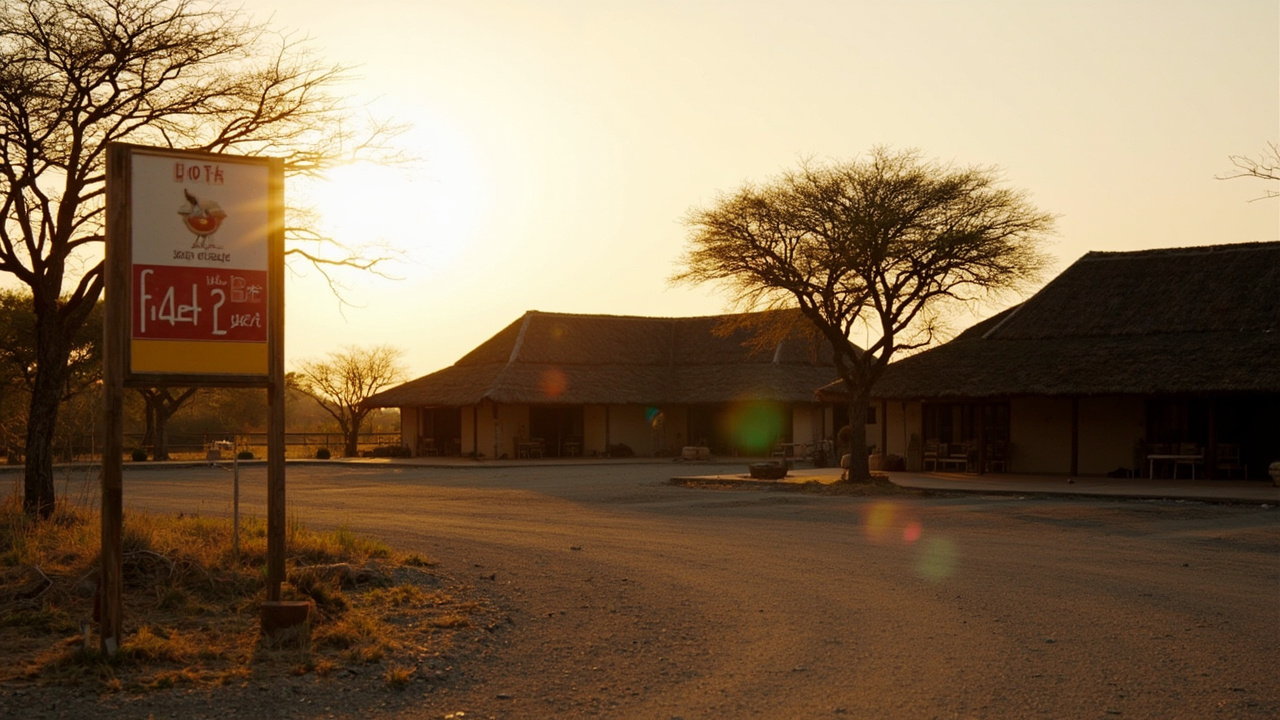
The bookings were made in January. The prices were set in December. The diesel that powers the generators, runs the game drive vehicles, and keeps the refrigerated food cold costs twice what it did when the reservations were confirmed. April is peak season in the Maasai Mara -- the wildebeest migration begins, the lodges fill, the guides work double shifts. This year, the guides are waiting for clients who are waiting for prices that make sense.
Kenya's safari tourism industry -- the country's third-largest foreign exchange earner, contributing approximately 8.1 percent of GDP -- is experiencing the fuel price shock from a different angle than the one this paper documented when South Africa's April fuel hike arrived as the largest monthly increase in a decade. For South Africa, the shock hit minibus taxis and freight. For Kenya, it is the structural mismatch between pre-booked tourists at pre-war prices and operational costs that have doubled since the Iran war began disrupting Gulf shipping through the Hormuz Strait.
MSM covered it as a macroeconomic story. Bloomberg: "East Africa Fuel Shortages Deepen Amid Iran War Supply Disruption." [1] The Financial Times: "Kenya's Fuel Import Bill Surges as Conflict Drives Costs Higher." [2] The framing was consistent: market mechanics, supply disruption, currency pressure. The macroeconomic frame is accurate. It is also incomplete.
X showed the human texture the data obscures. One widely shared post from a Maasai Mara lodge owner photographed the empty parking lot with a fuel price board in the foreground: 200 Kenyan shillings per litre, approximately $1.54 at current exchange rates -- double the pre-war rate. "April is peak season," the caption read. "Pre-war bookings at pre-war prices. Diesel now 200 shillings a litre. Something breaks -- and it won't be the leopard." The post received 340,000 views by Thursday morning.
The wildlife tourism industry operates on thin margins and long lead times. Safari packages are booked months in advance, often through international operators who set prices in dollars or euros. A lodge that quoted $400 per night in November cannot raise its price in April when diesel costs twice as much. The tourist who paid $400 is still paying $400. The lodge absorbs the difference -- or closes.
Kenya Airways warned this week that jet fuel shortages at Jomo Kenyatta International Airport could ground planes, a prospect that would strand the tourists who managed to book [3]. The Energy and Petroleum Regulatory Authority has been silent as Nairobi petrol stations ration fuel and reports of hoarding surface across the city. The Standard Media reported that tourism operators in the Mara conservancies are calculating whether to honor April bookings at a loss or cancel and forfeit deposits -- neither option sustainable, both being chosen simultaneously [3].
The war's second-order effects arrive differently on each continent. In South Africa, it was the R7-per-litre diesel increase that repriced every supply chain overnight. In the Philippines, it was the 45-day fuel reserve and rolling brownouts. In Kenya, it is the absurdity of tourists who flew 8,000 miles to see wildlife watching the animals' habitat get priced out of existence. The wildebeest do not know about fuel prices. The ecosystem does not adjust for exchange rates. But the people who steward the land, drive the vehicles, and cook the meals are calculating whether this season covers last season's losses or buries tomorrow's hope.
-- James Mwangi, Nairobi