TL;DR
The IAEA confirmed a second strike on Iran's Natanz enrichment facility with no detected radiation increase, but the phrase 'for now' is doing a lot of load-bearing work.
MSM Perspective
The Washington Examiner, Al Jazeera, and Times of India all led with the IAEA's no-radiation-leak confirmation, treating the agency's assessment as definitive rather than provisional.
X Perspective
Nuclear watchers on X are parsing satellite imagery frame by frame, debating whether 'no increase' means no damage or just no data from inside a war zone.
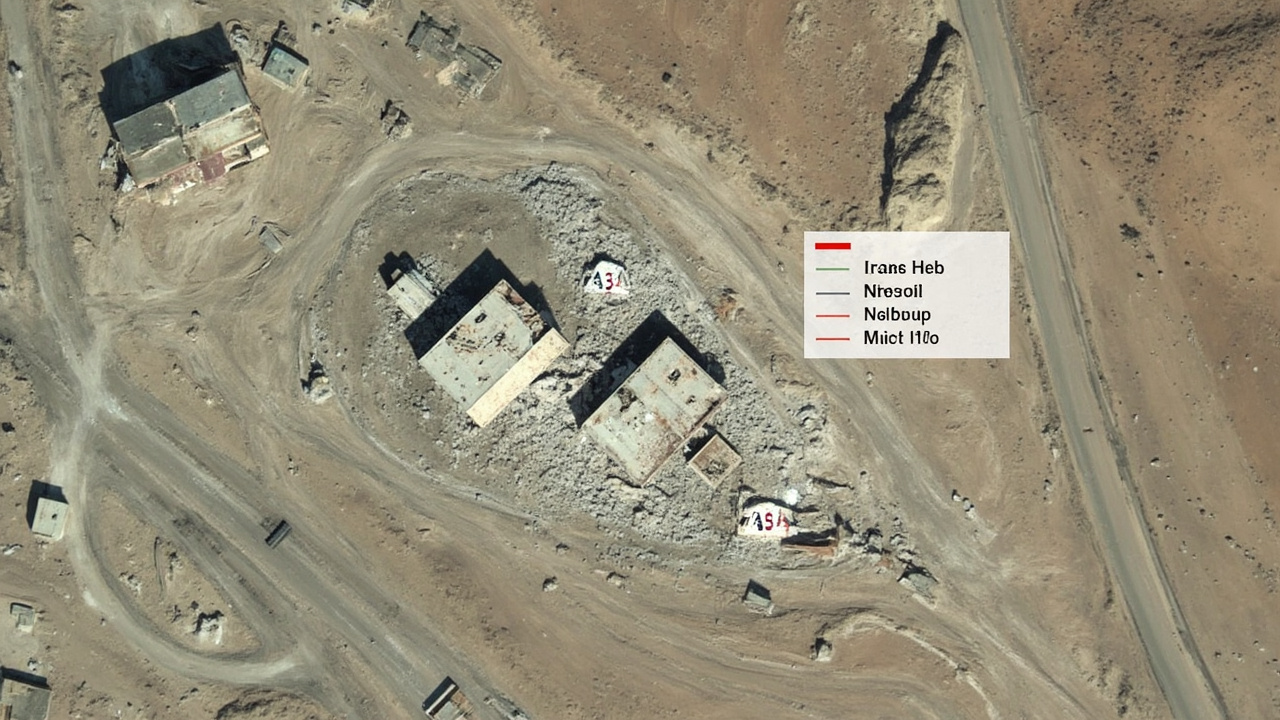
US and Israeli forces struck Iran's Natanz nuclear enrichment facility again on March 21, the second confirmed hit on the underground complex since the war began. [1] Iran's government acknowledged the strike within hours. The IAEA, notified by Tehran, posted on X that it had received no reports of increased off-site radiation levels. [2]

The language matters. "No increase" is not "no damage." As the paper reported when Natanz was first hit on March 2, satellite imagery confirmed destruction of entrance buildings above the buried centrifuge halls. [3] The IAEA's own analysis, published March 4, showed structural damage at tunnel access points but could not confirm the condition of equipment below ground. [4] What the agency can measure — ambient radiation at perimeter monitoring stations — it has measured. What it cannot access — the interior of a facility inside a war zone — it has not.
Rafael Grossi, the IAEA's director general, called for restraint and reiterated that strikes on nuclear facilities risk radiological consequences that no military objective justifies. [5] Iran has vowed to rebuild. The enrichment program, Tehran insists, continues.
-- YOSEF STERN, Jerusalem