TL;DR
Ocean-freight diversions are up 360 percent in the Hormuz corridor, Maersk has imposed emergency surcharges, and the cost of moving goods through the world's most important chokepoint has tripled.
MSM Perspective
Reuters reported VLCC rates exceeding $400,000 per day; BBC quoted the world's second-largest shipping boss saying costs will be passed to consumers; Freightos tracked the surcharge wave.
X Perspective
Logistics Twitter is tracking container rate surcharges in real time, with Maersk's emergency freight increase treated as the clearest signal that Hormuz is functionally closed to normal commerce.
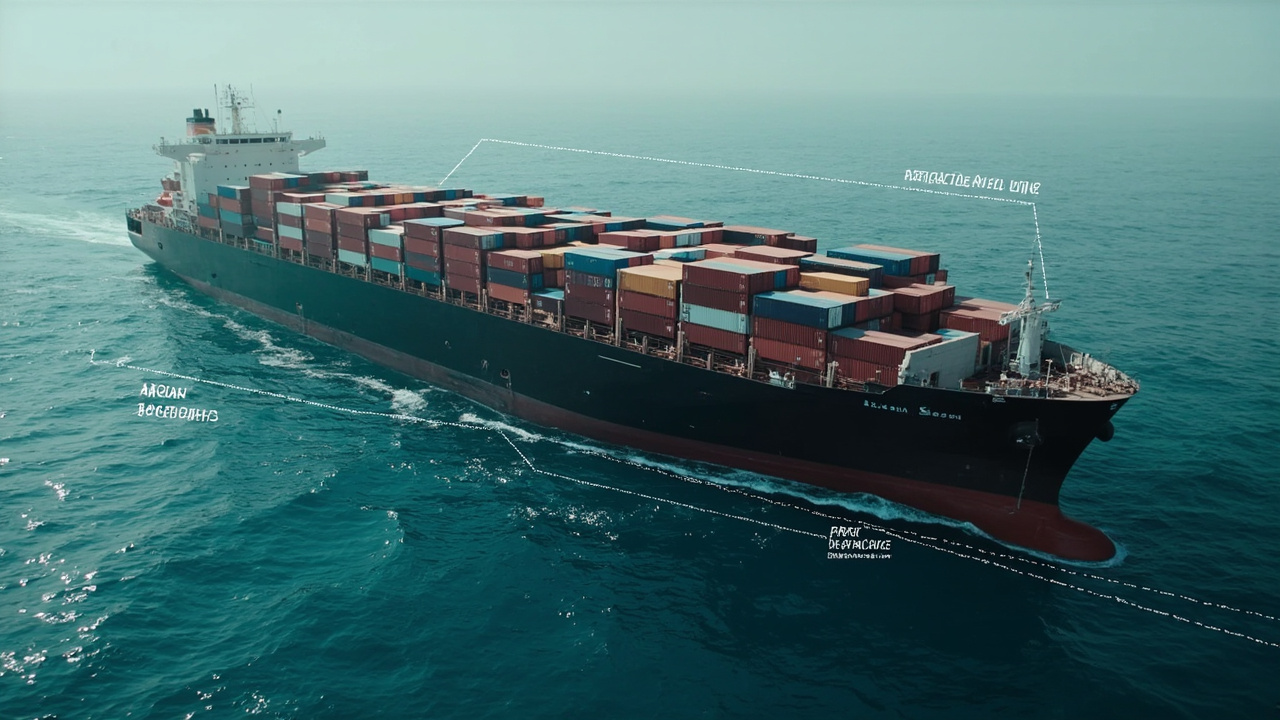
The Strait of Hormuz is functionally closed to normal commerce, and the numbers tell the story. Ocean-freight diversions in the Hormuz corridor are up more than 360 percent versus pre-crisis levels, according to project44 data. [1] Maersk issued an emergency freight increase on March 2, days after the strikes began. [2] Reuters reported that daily rates for very large crude carriers on the Middle East-to-China route exceeded $400,000 — an all-time high. [3]
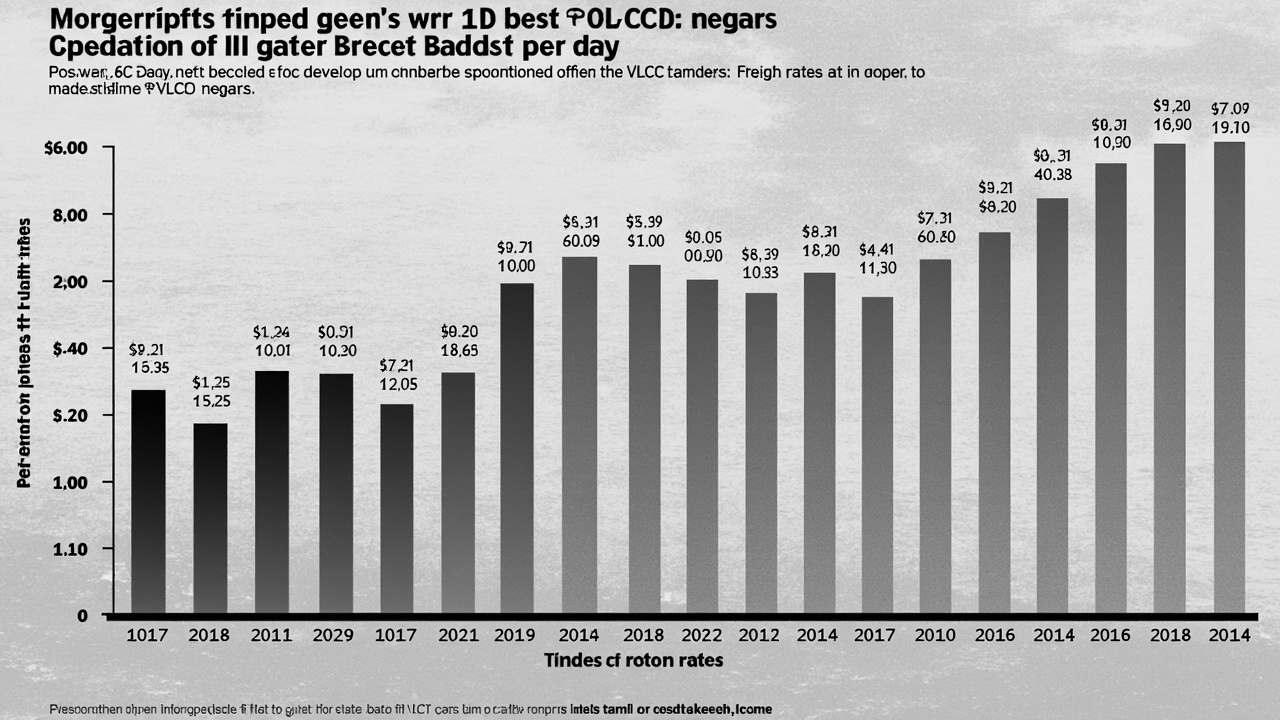
War-risk insurance has compounded the cost. For a $150 million container vessel, per-transit insurance costs have doubled from roughly $375,000 to $750,000. [4] CMA CGM introduced emergency conflict surcharges. Container leasing costs have risen $200 per 20-foot unit, a 15-20 percent surge. [5]
The BBC quoted the CEO of the world's second-largest shipping company: the costs will be passed to consumers. [6] That pass-through is not instantaneous — it takes weeks for higher freight rates to reach retail shelves — but it is coming. Iran has meanwhile proposed legislation to impose transit fees on ships passing through the strait, a move that would formalize the chokepoint as a toll road. [7]
Sources & X Posts
News Sources