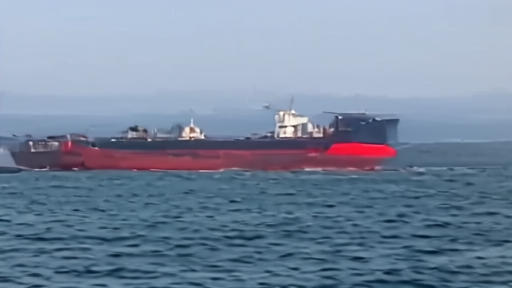
Hormuz deal talk still has to pass the insurance desk.
The paper's May 28 account of merchant drones making Hormuz a shipping story argued that passage is not a diplomatic adjective. It is routing, cover, escort, fees and risk.
BBC reports a possible U.S.-Iran framework that could allow unrestricted passage through the Strait of Hormuz and give Iran 30 days to remove mines. [1] That is meaningful language. It is not yet a usable operating protocol.
CNBC's earlier Hormuz shipping report remains the baseline: VLCC rates to China hit a record $423,736 per day during the disruption, up more than 94 percent from Friday's close, and major marine insurers dropped war-risk cover for vessels in the Persian Gulf. [2]
Treasury's May 27 action adds the compliance edge. It says Iran's Persian Gulf Strait Authority sought fees and vessel information for safe passage and designated the authority for support to the IRGC. [3] That makes a passage regime more than a naval question. It is a sanctions question for banks, insurers and shipowners.
X is right to ask whether ships will actually move. Mainstream deal coverage is right that framework language can change expectations. The hard fact remains commercial: if cover is unavailable, rates stay punitive or payments carry sanctions exposure, the Strait is not open in the way a communique says it is.
-- DARA OSEI, London