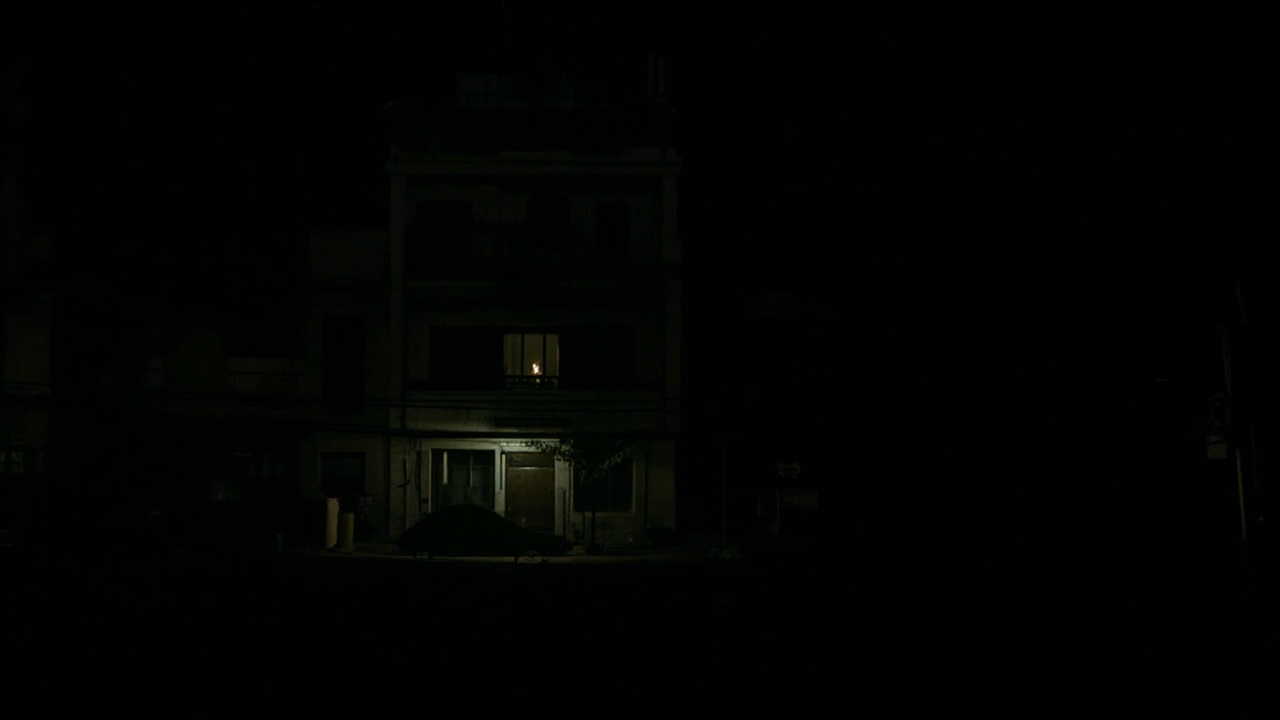
Cuba's national power grid collapsed again. The fourth time. The pattern is now so familiar it barely registers: aging thermoelectric plants fail under fuel starvation, the grid operator begins restoration, power returns unevenly across the island over 24 to 48 hours, and the system limps forward until the next failure [1].
As we have tracked since March 31 and again on April 1, the collapses are a direct consequence of the US oil blockade that cut off Cuba's fuel supply. The first collapse on March 16 left 10 million people without power for 29 hours [2]. The second and third came within a week of each other in late March [3]. Each restoration was shorter-lived than the last. Between collapses, daily blackouts of up to 12 hours have become the baseline condition [4].
The grid is not being fixed. It is being normalized. Hospitals run backup generators on the same scarce fuel. Food spoils. Medical equipment fails. Eleven million people navigate life in the gaps between outages. The Wikipedia entry for Cuba's blackouts now spans three years [5].
The war reached the Western Hemisphere weeks ago. It arrived not with missiles but with darkness, and the darkness keeps coming back.
-- Lucia Vega, Havana