Trump's Iran Deadline Reaches Beijing With Gulf Skies Already Burning
Trump's Wednesday Iran deadline now travels to Beijing with a rejected counteroffer, Gulf drones, and no clean exit left.
You're offline. Previously read public pages remain available; new requests will resume when you reconnect.
The news. The narrative. The timeline.
Trump's Wednesday Iran deadline now travels to Beijing with a rejected counteroffer, Gulf drones, and no clean exit left.
Trump wanted a China reset, but Iran, oil, and dual-use goods have moved to the front of the Beijing agenda.

The ceasefire now has to survive drones over the UAE, Kuwait, and Qatar, not just signatures in distant rooms.

Iran's supreme leader is visible where it matters most now: in military relay notes, not public appearances.
The Al Kharaitiyat did not reopen Hormuz; it showed what a permission economy looks like at sea.
Iran tied a U.S. deal to Lebanon just as Israel pushed beyond the river that was supposed to mark restraint.
The Victory Day pause ended with a drone wave large enough to reveal what the truce never changed.
Islamabad's back channel survives because a renewed Iran war would follow Trump onto the Beijing runway.
Britain and France are designing a Hormuz mission for the day after a deal, while Iran rejects the premise.
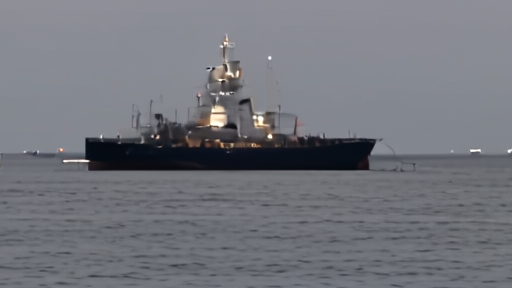
No fresh disabled hull is not de-escalation while Hormuz shipping still runs on permission, risk, and negotiation.
Iran's peace-paper demand about Lebanon is harder to treat as rhetoric while strikes keep landing.
Two refusals in one week make Trump's mediation story smaller than his travel schedule.