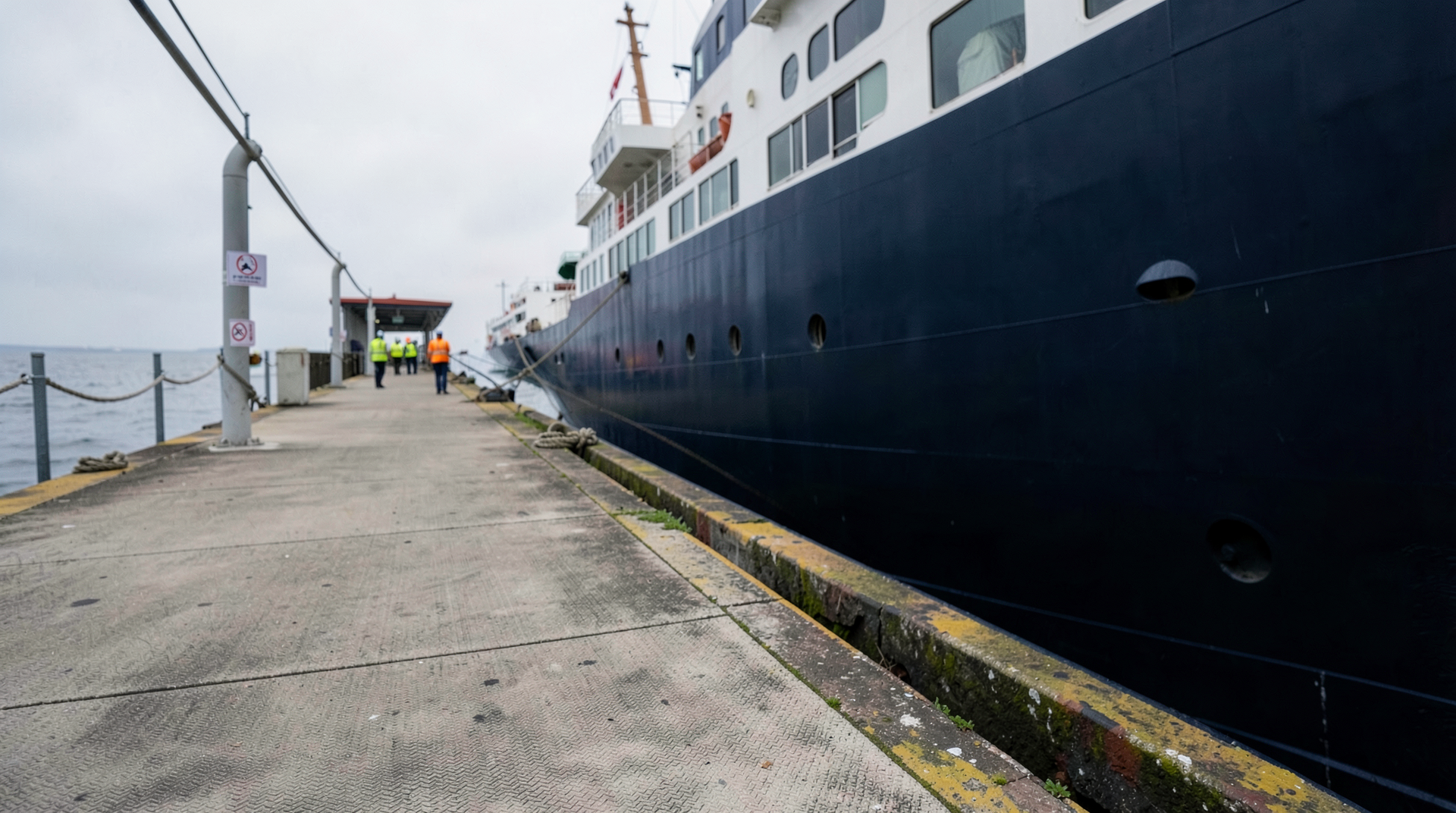
Hantavirus Quietly Became a Sixteen-State CDC Monitoring Event
The CDC is now watching 41 people in 16 states for Andes-strain hantavirus exposure, and Jay Bhattacharya has explained on the record why he isn't briefing daily.
You're offline. Previously read public pages remain available; new requests will resume when you reconnect.
The news. The narrative. The timeline.
The CDC is now watching 41 people in 16 states for Andes-strain hantavirus exposure, and Jay Bhattacharya has explained on the record why he isn't briefing daily.

A May 8 Lancet letter and CIDRAP analysis say the United States is on track to lose the 2000 measles-elimination designation when PAHO meets in November.

The FDA's May 13 accelerated approval of sonrotoclax is real but small — two prior lines including a BTK inhibitor, 52 percent response, a confirmatory trial still pending.

The NEJM publication of Phase 1/2 daraxonrasib data is the durable record — line of therapy and grade-three adverse events are what patients should read.

Provisional 2025 overdose deaths fell about fourteen percent — the third straight year of decline and the longest sustained drop of the synthetic-opioid era.

The acting CDC director put the agency's outbreak-communications protocol on the record six weeks before the largest mass gathering in tournament history.

The UK Met Office's annual forecast puts the May 2026 Mauna Loa CO2 peak at 432.2 ± 0.6 ppm; the NOAA daily readings are tracking in line.

Eighteen American passengers from the MV Hondius are under federal monitoring in two states, on an Andes-strain protocol with rules most readers have never had to read.

A week after the Fudan-Duke forcing finding, coverage is still skipping the milliwatts-per-square-meter number that lets a reader weigh the claim against CO2.
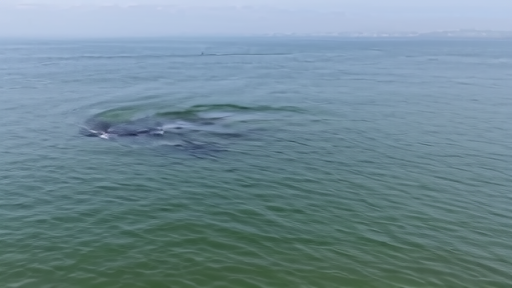
NOAA Fisheries issued no Saturday change to the 23-calf 2026 season — the best in seventeen years against a population still under 400 animals.
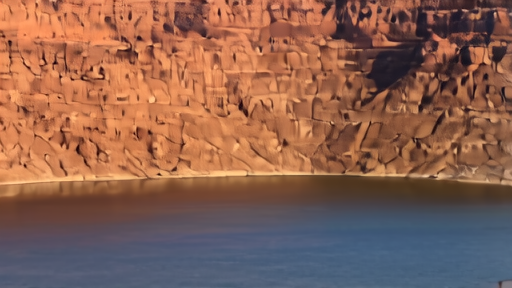
Bureau of Reclamation issued no Saturday amendment; Powell still sits near 13 percent and Flaming Gorge is still releasing 1,100 cfs to keep Glen Canyon above minimum power pool.

An oral combination for newly diagnosed AML is approved for a narrow population, and the label has not widened overnight.

The CDC program that inspected cruise ships has been cut, and the questions a passenger can still ask before boarding have not moved.

An emerging-disease cluster in 16 states meets a CDC director who has decided silence is the discipline.