Trump and Xi Ended With a Trade Board, Iran Kept Hormuz on Permission Slips
The summit built trade machinery while Iran kept the strait's operating verb, and the ships still answer to permission slips.
You're offline. Previously read public pages remain available; new requests will resume when you reconnect.
The news. The narrative. The timeline.
The summit built trade machinery while Iran kept the strait's operating verb, and the ships still answer to permission slips.
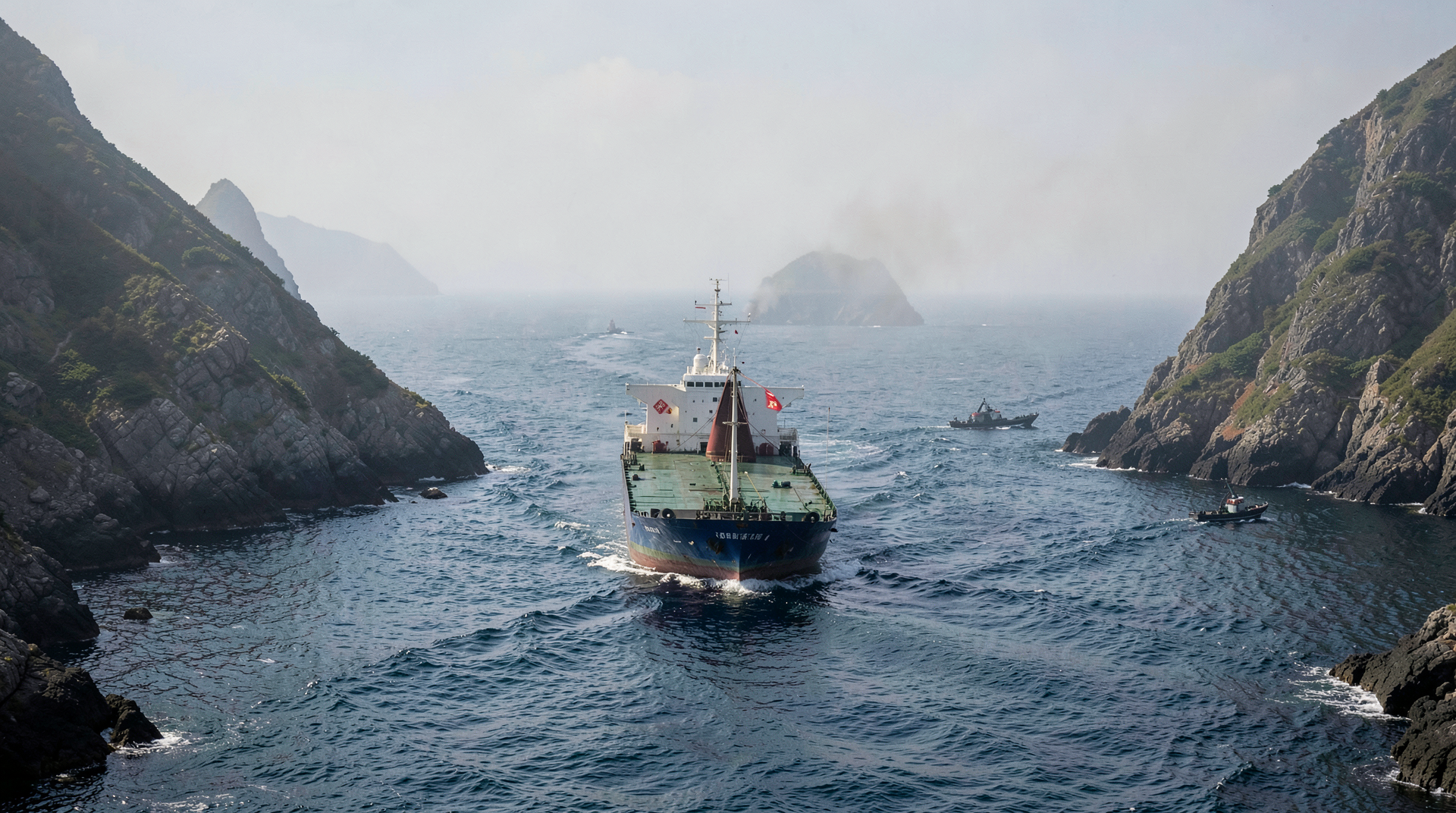
Chinese ships passing after requests from Beijing proves controlled passage, not freedom of navigation.
Summit language says Hormuz should stay open, but the application form still tells ships what Iran wants.
The Hui Chuan seizure turns Hormuz openness from diplomatic language into a question about a single ship.
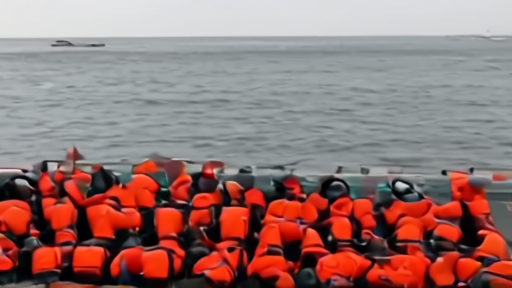
Hormuz does not reopen when diplomats say the word; it reopens when seafarers, mines, drones and traffic lanes are handled first.

The summit did not produce one hierarchy of danger; Beijing led with Taiwan while Washington led with Hormuz.
CENTCOM can say Iran is degraded, but the sea record still decides what degraded means.
Moscow had another day to answer the Trump-Xi Iran paragraph and still chose the one instrument it has used all week: silence.
Iran put the UAE in the BRICS dock; Abu Dhabi's public silence now belongs in the diplomatic record too.
Muscat is now in reopening logistics, but it still has not publicly rejected Iran's claim that Hormuz fees would be jointly administered.